 No Duties or Customs Fees For EU & UK Customers
 Free UK Delivery On Orders Over £30
 90 Day Returns

How to Layer Outdoor Clothing for Every Weather Condition
BLGEvery UK hiker knows the weather can switch from bright sunshine to pouring rain in minutes, making clothing choices a real challenge. Whether you are tackling a Scottish mountain or camping in the Yorkshire Dales, finding the right layering system is key to staying warm, dry, and comfortable outdoors. This guide breaks down smart layering strategies so you are ready for anything, whatever your next adventure or the unpredictable British forecast may bring.
Table of Contents
- Step 1: Assess Weather And Activity Needs
- Step 2: Select Base Layers For Moisture Control
- Step 3: Add Insulating Layers For Warmth
- Step 4: Choose Outer Layers For Protection
- Step 5: Test Fit And Adjust Layers
Quick Summary
| Key Insight | Explanation |
|---|---|
| 1. Assess Weather and Activity | Evaluate temperature, wind, and activity type for effective layering. |
| 2. Choose Appropriate Base Layers | Select moisture-wicking, snug-fitting materials for comfort during activities. |
| 3. Prioritise Insulating Layers | Use breathable materials that effectively trap heat and adapt to conditions. |
| 4. Select Versatile Outer Layers | Aim for weatherproof jackets that offer mobility and can handle different conditions. |
| 5. Test Fit and Adjust Layers | Ensure layers allow movement and adequate coverage for comfort in various activities. |
Step 1: Assess Weather and Activity Needs
Mastering the art of outdoor clothing layering starts with a comprehensive assessment of your specific weather conditions and planned activities. The key is understanding how different environments and physical exertions impact your clothing requirements, especially when navigating the unpredictable British climate.
Begin by considering the three-layer clothing system fundamental to outdoor comfort. This approach involves carefully selecting clothing that works together to regulate body temperature and protect you from environmental challenges. Here are the critical factors to evaluate:
- Temperature Range: Check local weather forecasts and anticipated temperature fluctuations
- Wind Chill Factor: Consider how wind might impact perceived temperature
- Precipitation Likelihood: Assess potential rain, snow, or humidity levels
- Physical Intensity: Determine the energy expenditure of your planned activity
Your layering strategy will differ dramatically between low-intensity activities like birdwatching and high-energy pursuits such as mountain hiking. A mountaineer requires more robust insulation and moisture management compared to a casual countryside walker.
Here is a quick comparison of each clothing layer’s role and ideal scenarios:
| Layer Type | Primary Function | Ideal Use Case | Key Benefit |
|---|---|---|---|
| Base Layer | Moisture management | High-intensity, variable temperature | Keeps skin dry and comfy |
| Insulation Layer | Heat retention | Cold, static or chilly conditions | Retains warmth, adds comfort |
| Outer Layer | Weather protection | Rain, wind, unpredictable weather | Shields from elements |
Understanding your specific environmental conditions is the foundation of effective outdoor clothing selection.
Key Activity Considerations:
- Hiking requires breathable, moisture-wicking layers
- Mountain biking needs wind-resistant outer shells
- Paddleboarding demands quick-drying, water-resistant materials
Top Advice: Always pack an extra lightweight layer for unexpected weather changes, ensuring you remain prepared and comfortable during your outdoor adventure.
Step 2: Select Base Layers for Moisture Control
Choosing the right base layer is crucial for managing moisture and maintaining body temperature during outdoor activities. Your base layer acts as a critical foundation for temperature regulation, working directly against your skin to wick away sweat and keep you comfortable in changing environmental conditions.
When selecting base layers, focus on materials designed for moisture management. Synthetic fabrics like polyester and merino wool offer superior performance compared to traditional cotton, which retains moisture and can lead to rapid heat loss. Consider these key characteristics:
- Fabric Composition: Prioritise moisture-wicking synthetic materials
- Fit: Choose snug but not restrictive layers that sit close to your skin
- Thickness: Select weight based on anticipated activity intensity and temperature
- Thermal Properties: Different weights provide varying levels of insulation
Your base layer requirements will shift dramatically between high-intensity activities like mountain climbing and low-energy pursuits such as gentle countryside walking. A trail runner, for instance, needs a lightweight, highly breathable layer that quickly moves perspiration away from the body, whereas a winter hiker might opt for a slightly heavier, more insulating base layer.
The primary goal of a base layer is to keep your skin dry by moving moisture away from your body.
Material Selection Guide:
- Polyester: Quick-drying, lightweight, excellent moisture management
- Merino Wool: Natural temperature regulation, odour resistance
- Silk: Lightweight, smooth, good for mild conditions
- Synthetic Blends: Combines best properties of multiple fabrics
Top Advice: Invest in multiple base layers of varying weights to accommodate different activities and weather conditions, ensuring versatility in your outdoor wardrobe.
Step 3: Add Insulating Layers for Warmth
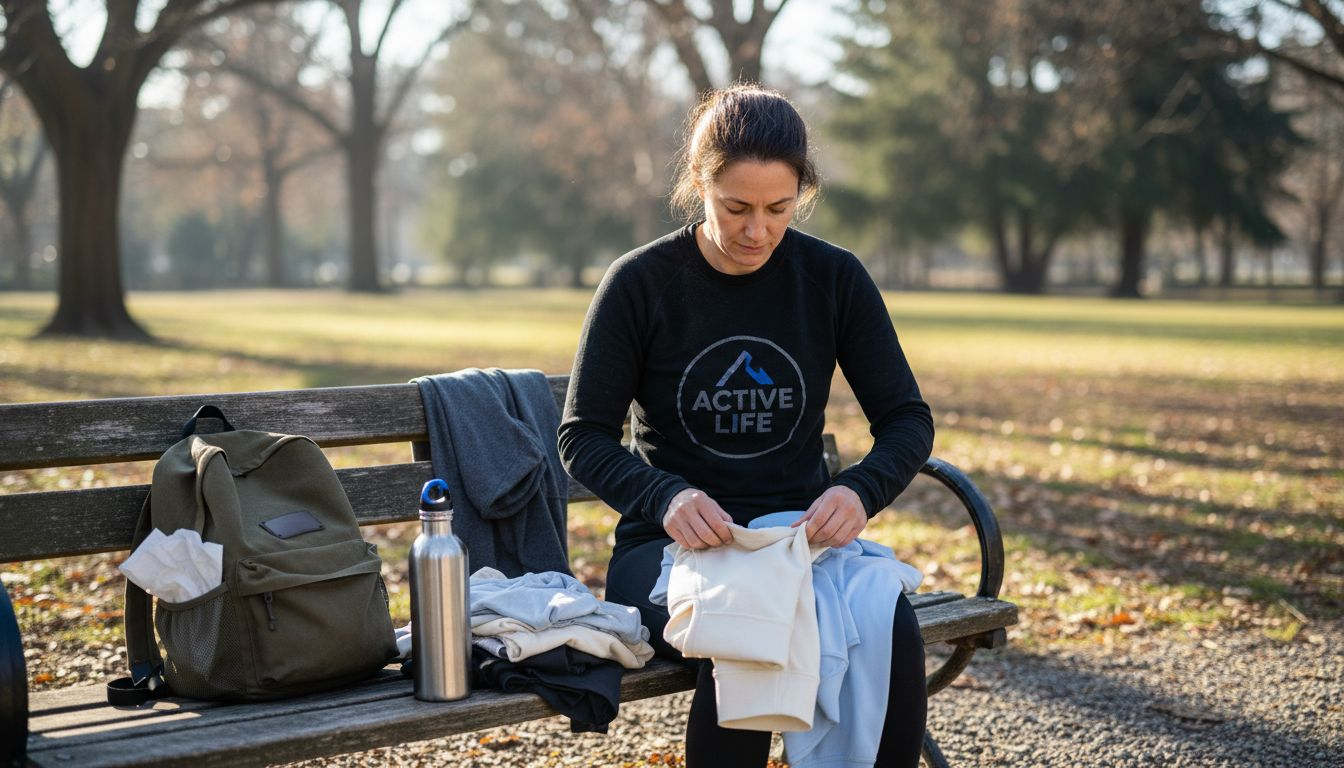
Creating an effective mid-layer is crucial for trapping heat and maintaining your body temperature during outdoor activities. The insulating layer acts as a critical barrier between your moisture-wicking base layer and your protective outer shell, providing essential warmth in varying weather conditions.
When selecting your insulating mid-layer, prioritise materials that offer excellent heat retention while remaining breathable. Fleece jackets and lightweight down or synthetic puffer jackets are ideal choices for different outdoor scenarios. Consider these key selection criteria:
- Material Weight: Choose thickness based on expected temperature
- Compressibility: Select layers that can be easily packed or compressed
- Thermal Efficiency: Evaluate insulation-to-weight ratio
- Breathability: Ensure the layer allows moisture vapour to escape
Your insulation needs will vary dramatically depending on your specific activity. A mountain climber will require a more robust, high-performance mid-layer compared to a casual walker exploring gentle countryside trails. Synthetic materials like polyester fleece offer advantages over natural fibres, providing consistent warmth even when slightly damp.
The perfect mid-layer balances warmth retention with moisture management and overall comfort.
Insulation Material Comparison:
- Fleece: Lightweight, quick-drying, maintains warmth when wet
- Down Jackets: Exceptional warmth-to-weight ratio, highly compressible
- Synthetic Insulation: Performs better in damp conditions
- Wool Blend Layers: Natural temperature regulation
Top Advice: Layer your insulating pieces strategically, allowing for easy removal or addition as your activity level and environmental conditions change.
Step 4: Choose Outer Layers for Protection
Selecting the right outer layer is your final defence against unpredictable British weather conditions, providing critical protection from wind, rain, and cold. This protective shell is your ultimate barrier against environmental elements, transforming your clothing system from merely comfortable to truly weatherproof.
Waterproof outer layers demand careful consideration of both performance and functionality. Hard shell and soft shell jackets offer different advantages depending on your specific outdoor activity and anticipated weather conditions. Consider these essential selection criteria:
- Waterproofing Rating: Check technical specifications for water resistance
- Breathability: Ensure moisture can escape to prevent internal condensation
- Fabric Durability: Select materials resistant to abrasion and tearing
- Weight and Packability: Choose layers that can be easily carried or compressed
Your outer layer requirements will vary dramatically between high-intensity mountain expeditions and casual countryside walks. A mountaineer might require a robust, fully waterproof hardshell with taped seams, whereas a gentle hiker could opt for a lighter, more breathable soft shell jacket.
The ideal outer layer provides complete environmental protection without compromising comfort or mobility.
Outer Layer Type Comparison:
- Hard Shell Jackets: Maximum waterproofing, ideal for severe conditions
- Soft Shell Jackets: Wind resistance, greater breathability
- Lightweight Windbreakers: Minimal protection, maximum packability
- Technical Mountaineering Shells: Advanced features for extreme environments
Top Advice: Invest in a versatile outer layer that can adapt to multiple weather conditions, ensuring you remain protected without carrying multiple jackets.
To help select the best materials, refer to this quick reference:
| Material | Best Attribute | Drawback |
|---|---|---|
| Merino Wool | Natural odour resistance | Higher price |
| Polyester Fleece | Good warmth when damp | Lower breathability than wool |
| Down | Exceptional warmth-to-weight | Loses insulation if soaked |
| Hard Shell | Maximum waterproofing | Can be less breathable |
Step 5: Test Fit and Adjust Layers
Perfecting your layering system requires more than simply selecting the right clothing pieces—it demands careful attention to fit, mobility, and personal comfort. Understanding how your layers work together can dramatically improve your outdoor experience, ensuring you remain comfortable and protected in challenging British weather conditions.
When testing your layering system’s overall functionality, focus on these critical aspects of fit and movement:
- Range of Motion: Ensure layers allow full arm and body movement
- Overlap Points: Check that layers adequately cover transition areas
- Compression: Verify layers are snug but not restrictive
- Ventilation Potential: Test ability to easily add or remove layers
Your layer testing approach will differ depending on your specific outdoor activity. A mountain climber might perform dynamic stretching movements to assess layering flexibility, whereas a casual walker could simulate walking motions to ensure comfort and unrestricted movement.
Proper layer fit is about finding the perfect balance between protection, warmth, and freedom of movement.
Layer Fit Assessment Techniques:
- Static Testing: Stand still, perform basic movements
- Dynamic Testing: Simulate activity-specific motions
- Temperature Regulation Check: Monitor internal heat and moisture
- Comfort Evaluation: Assess overall feeling during different activities
Top Advice: Always perform a comprehensive movement test before committing to a specific layering combination, ensuring your clothing supports rather than restricts your outdoor performance.
Perfect Your Outdoor Layering with Quality Gear from MoreSports
Mastering the art of outdoor clothing layering means choosing the right pieces that work together to keep you warm, dry and comfortable in any British weather. The challenge lies in finding base layers that wick away moisture, insulating layers that trap heat and outer shells offering reliable protection without restricting movement. At MoreSports, we understand these exact pain points and goals, offering a wide range of high-quality outdoor apparel designed to help you build the ideal layering system tailored to your adventure needs.
Explore our extensive collection featuring trusted brands like Berghaus and FootJoy which excel in moisture management, insulation and weatherproofing. Enjoy free UK delivery when you spend over £25 and benefit from our 90-day returns policy so you can layer with confidence. Start building your perfect outdoor wardrobe today by visiting MoreSports and experience expert customer support to guide your purchase every step of the way.
Frequently Asked Questions
How do I assess weather and activity needs for outdoor clothing layering?
Understanding your weather conditions and planned activities is crucial. Check the expected temperature range, wind chill factor, precipitation likelihood, and physical intensity of your activity. Then, tailor your layering approach based on these factors to ensure optimal comfort.
What types of base layers should I choose for moisture control?
Select base layers made from moisture-wicking synthetic materials like polyester or merino wool. These fabrics effectively move sweat away from your skin and regulate your body temperature during intense activities. Aim to have multiple base layers with varying thicknesses to accommodate different weather conditions.
How can I select the right insulating layers for warmth?
Choose insulating layers that provide heat retention while remaining breathable. Materials like fleece and down jackets are effective choices. Evaluate the warmth-to-weight ratio and ensure the insulation allows moisture vapour to escape, enhancing your comfort.
What factors should I consider when choosing outer layers?
When selecting outer layers, focus on waterproofing ratings, breathability, fabric durability, and weight. Ensure your outer layer can protect you from wind and rain while remaining comfortable during movement. Test its suitability by checking its packability and overall fit for your activities.
How do I test the fit and adjust my outdoor clothing layers?
To test your layering system, check for range of motion, overlap points, and overall comfort. Perform basic static movements as well as more dynamic activity-specific motions to assess flexibility and movement. Aim for a snug fit that does not restrict your movements, ensuring total comfort during your adventures.
Recommended
- What Is Seasonal Sports Gear and Why It Matters – More Sports
- Impact of Climate on Workwear Choices in the UK – More Sports
- Workwear Insulation – Enhancing Safety on Site – More Sports
- Base Layer Clothing: Enhancing Comfort Outdoors – More Sports
- Tour Equipment Essentials for Liverpool Adventures
- 7 pasos clave del checklist de safari 2025 en Namibia - Namibia Luxury Safaris | Book Your 2025/2026 Adventure Today