 No Duties or Customs Fees For EU & UK Customers
 Express Tracked UK Delivery On 1000s of Items
 90 Day Returns

How to Choose Golf Irons: Fit, Forgiveness, Shafts & Budget
R YBuying a new set of irons feels overwhelming when you see dozens of models with different head designs, shaft options, and price tags. You might wonder if you need cavity backs or blades, graphite or steel, or whether spending more actually helps your game. Getting this wrong means carrying clubs that fight your swing for years.
The right irons match three things: your current ability, your swing characteristics, and what you can afford. Understanding a few fundamentals about iron construction, forgiveness, and shaft specs turns this complex decision into a manageable process. You do not need a professional fitting to make smart choices.
This guide walks you through everything that matters when choosing irons. You will learn about iron categories and what each type does, how to match irons to your skill level, which shaft specs affect your shots, and how to build a set that fills the right yardage gaps. By the end, you will know exactly which irons suit your game and your budget.
What to know before you buy
You need to gather three pieces of information before you start comparing models. Your handicap (or typical score) tells you which iron category suits your game. Your budget determines whether you can afford custom fitting and new releases or should focus on previous-year models and off-the-rack options. Your current set composition helps you identify which irons you actually use and which sit unused in your bag.
Know your handicap range
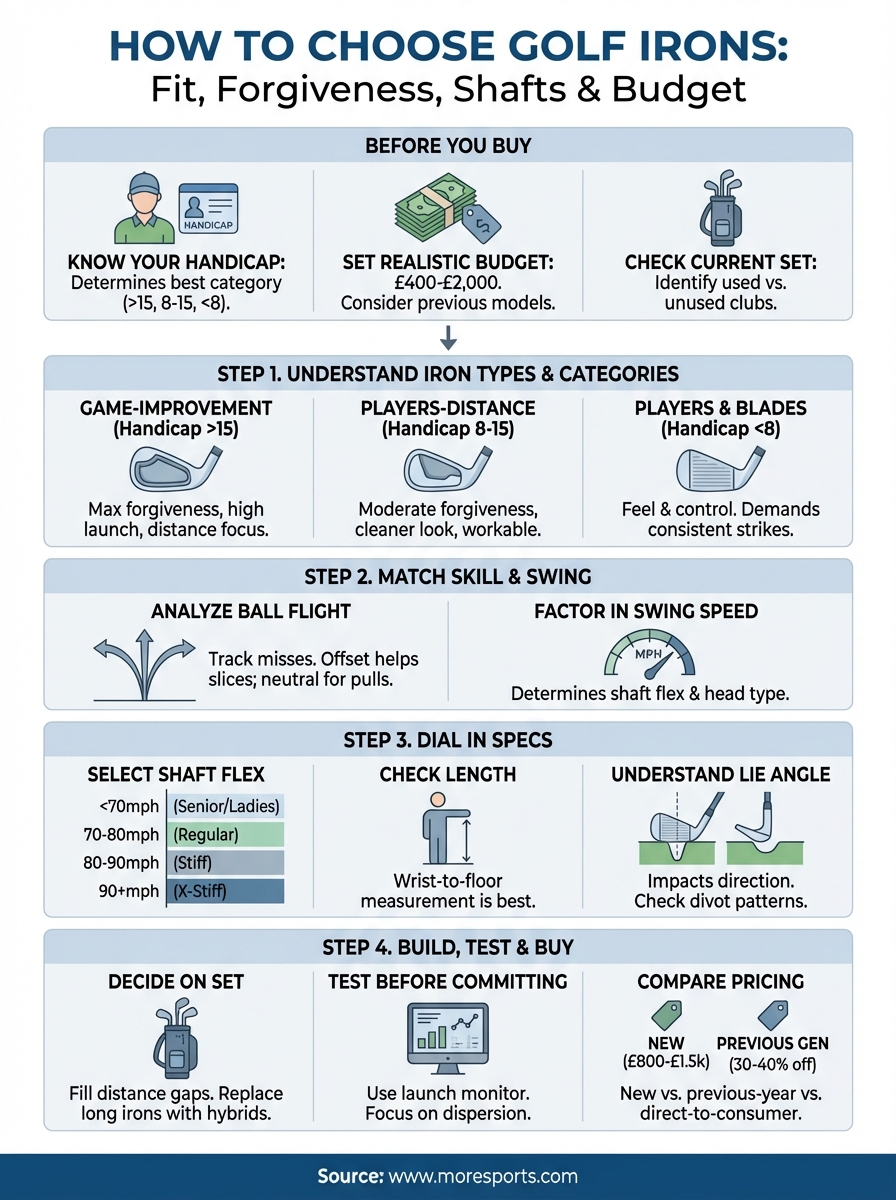
Understanding how to choose golf irons starts with knowing your skill level. Your handicap directly determines which iron construction delivers the best results. Players above 15 handicap benefit most from game-improvement designs that add height and distance to mishits. Mid-handicappers between 8 and 15 gain more from players-distance irons that balance forgiveness with workability. Low handicappers below 8 often prefer players irons or even blades that prioritise feel and shot shaping over assistance.
The iron category you need changes as your handicap drops, so avoid buying performance beyond your current skill level.
Set realistic spending limits
New iron sets range from £400 to £2,000 depending on brand and category. Game-improvement models from direct brands cost less than tour-level forged irons from major manufacturers. Previous-year models often drop 30 to 40 percent in price when new versions launch, offering identical performance for less money. Factor in potential fitting costs (£50 to £100) if you want custom specifications rather than standard options.
Step 1. Understand iron types and categories
Manufacturers group irons into distinct categories based on head design, forgiveness level, and target player. Each category serves a specific handicap range and delivers different trade-offs between distance, workability, and consistency. You must match your iron type to your current skill level, not the level you hope to reach, because using the wrong category actively hurts your scores.
Game-improvement irons
Game-improvement irons feature larger clubheads, wider soles, and significant perimeter weighting that pushes weight to the edges of the face. This design creates a bigger sweet spot that maintains ball speed even when you strike the ball half an inch off centre. You will see these irons use hollow-body construction or deep cavities that lower the centre of gravity, helping you launch the ball higher with less effort. Brands typically add stronger lofts (a 7-iron might have 28 degrees instead of 34 degrees) to increase distance, which means you hit what looks like a 7-iron the distance of a traditional 5-iron.
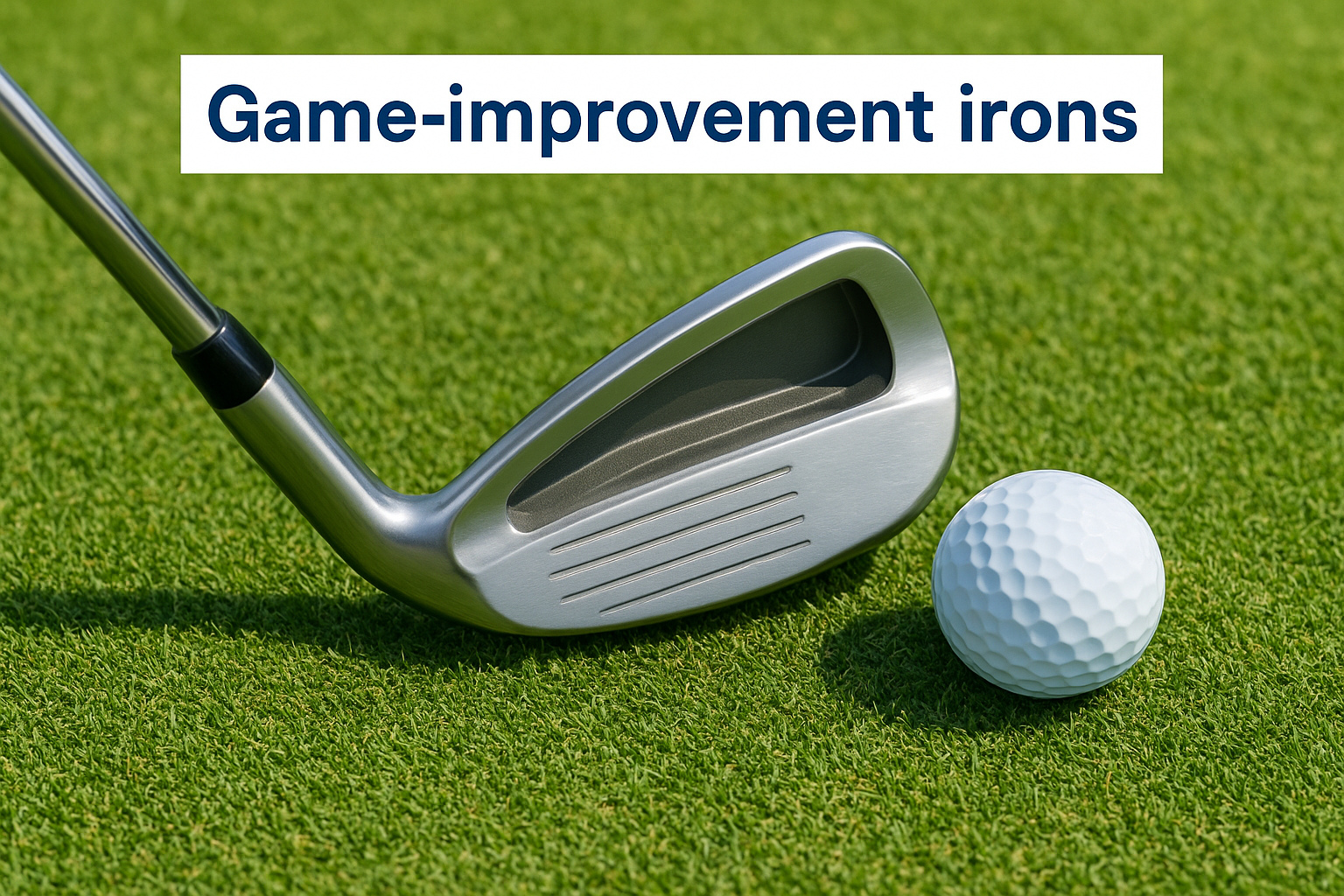
These irons suit players above 15 handicap who need maximum forgiveness and struggle to get consistent height on their iron shots.
Players-distance irons
Players-distance irons sit between game-improvement and traditional players irons, offering moderate forgiveness with a cleaner look at address. You get a slightly smaller clubhead than game-improvement models but still benefit from technologies like tungsten weighting and foam inserts that stabilise off-centre hits. Most feature a thinner topline and less offset, giving better players more confidence when shaping shots. This category works for mid-handicappers (8 to 15) who strike the ball reasonably well but want insurance on mishits.
Players irons and blades
Players irons use compact heads with minimal offset and thin toplines that appeal to better ball-strikers. Blades take this further with a solid back and no cavity, concentrating all the weight directly behind the sweet spot. You sacrifice forgiveness for superior feedback, allowing you to feel exactly where contact occurred on the face. These irons demand consistent centre-face strikes because mishits lose significant distance and accuracy, making them suitable only for single-digit handicappers who compress the ball properly.
Step 2. Match irons to your skill and swing
Choosing irons based purely on handicap gives you a starting point, but your actual swing characteristics and ball flight patterns matter just as much. Two 15-handicappers might need completely different irons if one struggles with slices while the other hooks every shot. You need to identify your specific tendencies and then match iron features to address those patterns.
Identify your ball flight and misses
Start by tracking your last five rounds and noting which direction your iron shots miss. If most shots curve right (for right-handed players), you likely need irons with more offset and heel weighting that help square the face at impact. Players who pull shots left benefit from irons with less offset and a neutral weighting pattern that does not encourage early face closure. Write down your typical shot pattern using this framework:
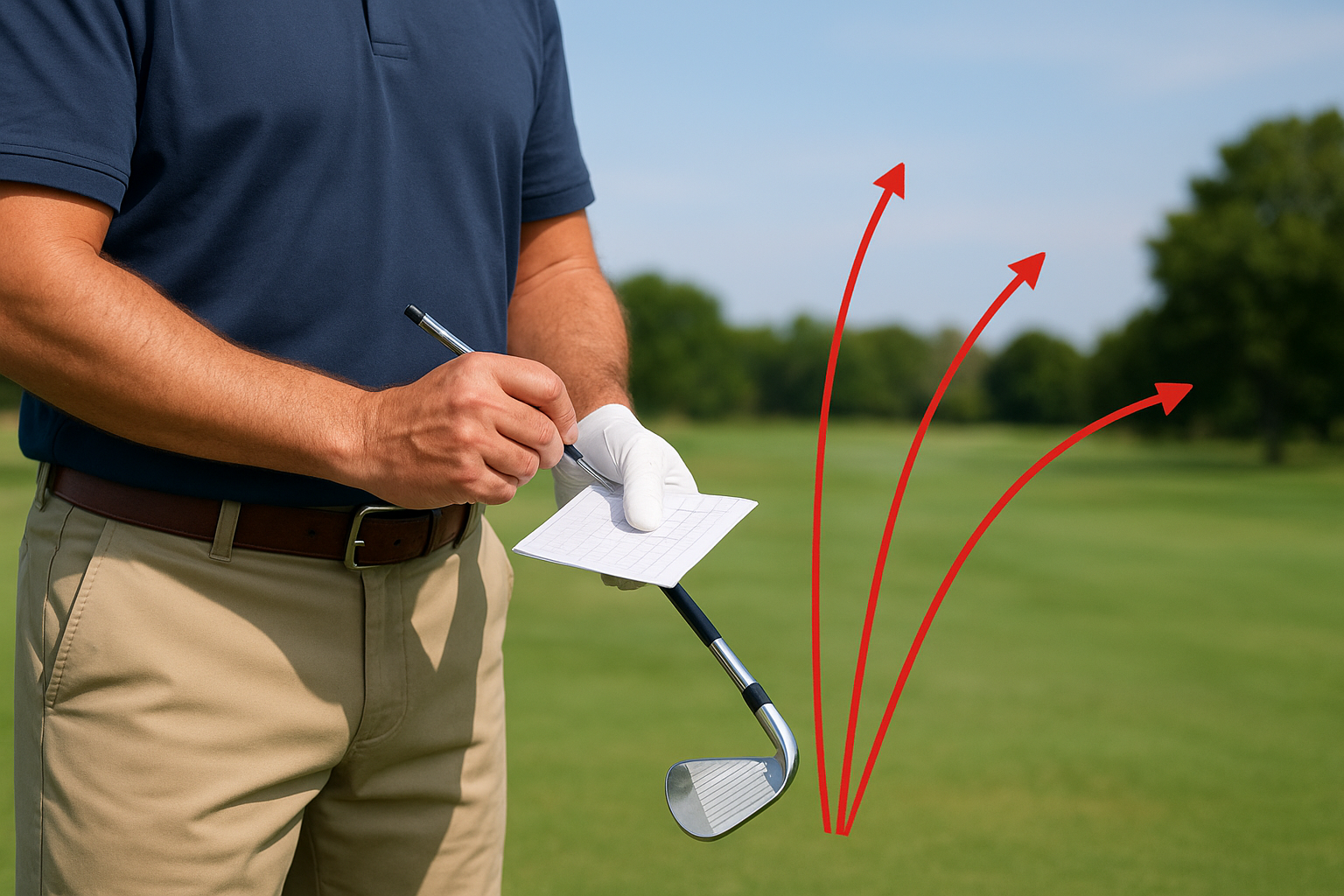
Your ball flight assessment:
- Primary miss direction: Left / Right / Both
- Typical trajectory: Too low / Ideal / Too high
- Strike location: Toe / Centre / Heel / Inconsistent
- Distance consistency: Within 10 yards / 10-20 yards / 20+ yards
This simple audit reveals which iron technologies actually help your game rather than following marketing claims.
Factor in your swing speed
Your 6-iron swing speed determines which shaft flex and iron construction produce optimal results. Players swinging below 75 mph with a 6-iron need game-improvement irons with graphite shafts and stronger lofts to generate sufficient distance. Mid-speed swingers between 75 and 85 mph gain the most from players-distance irons that balance forgiveness with workability. Fast swingers above 85 mph can control players irons and might even prefer the feedback from compact designs.
Test your swing speed during a fitting or ask your local professional for accurate measurements rather than guessing your speed category.
Match forgiveness to your strike pattern
Understanding how to choose golf irons requires honest assessment of where you contact the face during typical rounds. If you consistently strike the sweet spot, paying for maximum forgiveness wastes money on technology you never use. Check your current iron faces for wear patterns. A small, centred wear mark indicates you can handle less forgiving irons. Dispersed wear across the face means you need cavity-back designs with perimeter weighting that maintain ball speed on off-centre hits. Players with inconsistent contact should prioritise forgiveness over every other feature.
Step 3. Dial in shafts, length and lie
Shaft specifications affect your ball flight and distance consistency more than most players realise when learning how to choose golf irons. Getting the wrong shaft flex costs you 10 to 15 yards and creates inconsistent dispersion patterns. Club length and lie angle determine whether you make solid contact or catch shots thin or heavy. You can buy the perfect iron heads but still play poorly if these three specs do not match your physical measurements and swing dynamics.
Select the right shaft flex
Your swing speed dictates which flex rating delivers optimal performance, but your swing tempo also matters. Players with smooth, rhythmic swings often need a softer flex than their speed suggests, while aggressive, quick-transition swingers require stiffer options. Use this chart to match your 6-iron speed to the appropriate flex:
| 6-Iron Swing Speed | Recommended Flex | Typical Player Profile |
|---|---|---|
| Below 70 mph | Senior (A) or Ladies (L) | Slower swing, needs maximum flex |
| 70-80 mph | Regular (R) | Average male recreational player |
| 80-90 mph | Stiff (S) | Athletic player, solid ball-striker |
| 90+ mph | Extra Stiff (X) | Low handicap, fast transition |
Most golfers choose steel shafts for irons because they offer better feedback and cost less than graphite alternatives. Graphite becomes necessary if you swing slowly or want to reduce overall bag weight for easier carrying during walking rounds.
Steel shafts suit most players, but graphite helps slower swingers generate more clubhead speed through lighter overall weight.
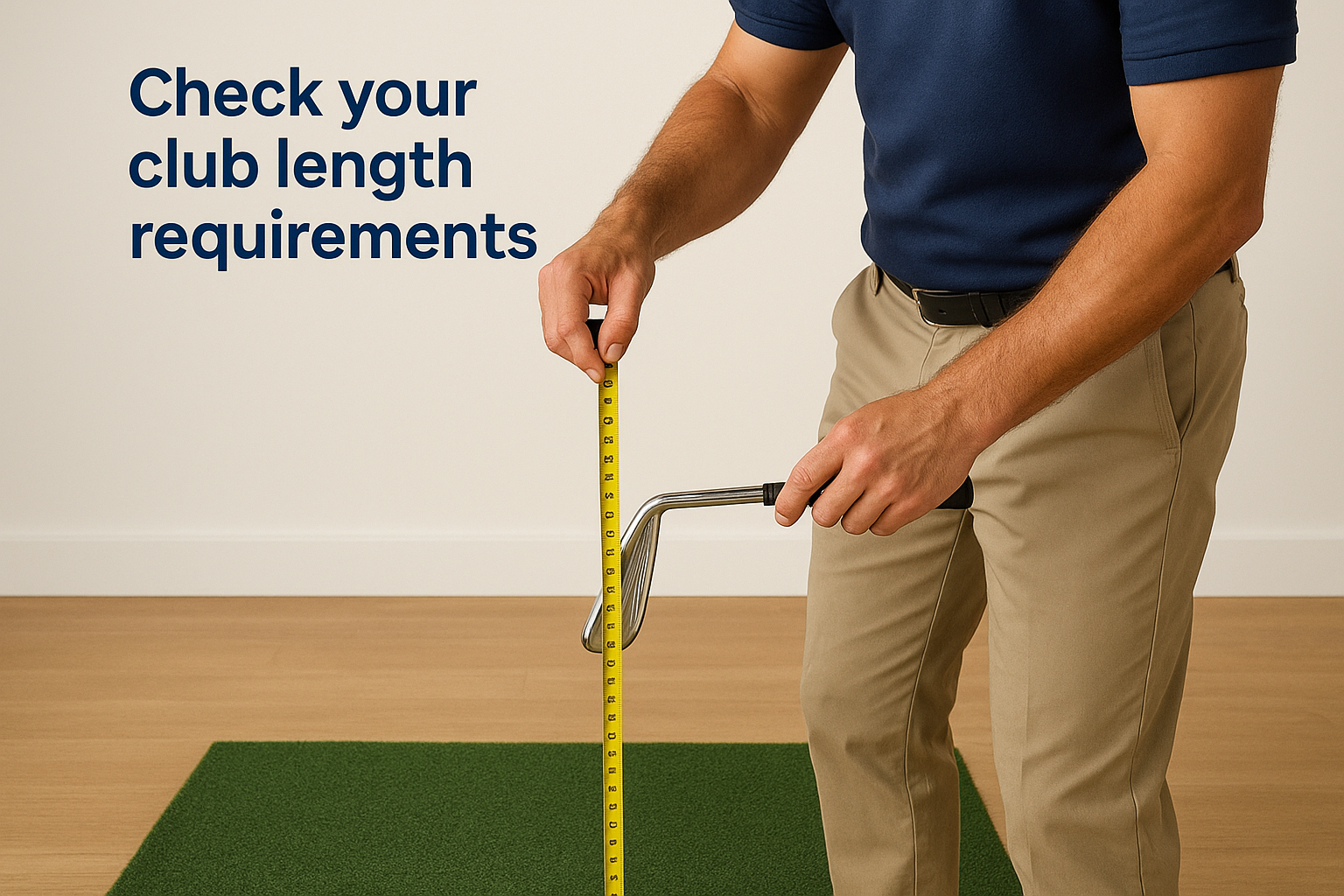
Check your club length requirements
Standard iron length assumes you stand between 5'9" and 6'1" with proportional arm length. Add half an inch for every three inches you stand above 6'1", or subtract half an inch for every three inches below 5'9". Your wrist-to-floor measurement provides more accuracy than height alone. Stand naturally with arms relaxed and measure from your wrist crease to the ground. A measurement of 32 to 34 inches indicates standard length, while anything outside this range requires adjustment.
Understand lie angle impact
Lie angle describes how the club sole sits relative to the ground at impact. Incorrect lie causes the toe or heel to dig into the turf, twisting the face and sending shots offline. Taller players typically need more upright lies (2 to 4 degrees upright), while shorter players benefit from flatter angles. Watch your divot patterns during practice. Divots pointing left of target indicate an upright lie, while divots angling right suggest you need a flatter setting. Most manufacturers adjust lie angle during custom fitting at no additional cost.
Step 4. Build your set, test and buy
Most players buy a complete set from 4-iron through pitching wedge without considering which clubs they actually use. This wastes money on long irons that sit in your bag untouched while creating yardage gaps where you need more options. Build your set around the irons you hit confidently, then fill genuine distance gaps rather than following traditional set compositions.
Decide which irons to include
Start by removing any iron from your current bag that you rarely use or hit poorly. Many mid-to-high handicappers struggle with 3-irons and 4-irons, making these clubs poor investments. Replace long irons with hybrids that launch higher and provide more forgiveness from difficult lies. Your ideal set might run from 5-iron through pitching wedge, then add a gap wedge (50 degrees) and sand wedge (54 or 56 degrees) to cover short-game distances. Write down the carry distance you achieve with each numbered iron to identify where gaps exceed 15 yards, then add clubs to fill those specific spaces.
Test before committing
Book a fitting session at a local golf shop or driving range that offers launch monitor data. Hit at least five shots with each iron model you consider, focusing on dispersion pattern and distance consistency rather than your longest shot. Request different shaft options in the same head to see how flex and weight affect your ball flight. Most shops allow you to test clubs during an actual round, giving you realistic feedback on turf interaction and how the irons perform under pressure.
Testing irons with a launch monitor reveals your actual carry distances and dispersion patterns, preventing expensive mistakes based on feel alone.
Compare pricing options
New irons from major brands cost £800 to £1,500 for a seven-club set, but previous-year models offer identical performance for 30 to 40 percent less. Check manufacturer websites for clearance sections where discontinued models appear at substantial discounts. Direct-to-consumer brands provide quality alternatives at lower prices because they skip retailer margins. Factor in potential custom fitting charges (£50 to £100) when comparing total costs, though many retailers waive fitting fees if you purchase from them.
Final thoughts
Learning how to choose golf irons removes the guesswork from buying clubs that actually improve your scores. You now understand which iron categories match your skill level, how shaft specifications affect ball flight, and why proper fitting prevents expensive mistakes. Focus on finding irons that address your specific weaknesses rather than chasing the latest tour-level technology you cannot control.
Start by testing three to five models within your target category, paying attention to how each iron launches the ball and where your misses land. Your dispersion pattern matters more than your best shot. Buy previous-year versions if budget constrains your options, because performance differences between model years rarely justify the price premium.
Browse the complete range of golf irons and accessories at More Sports to find options that suit your game and budget, with free UK delivery on orders over £25.