 No Duties or Customs Fees For EU & UK Customers
 Express Tracked UK Delivery On 1000s of Items
 90 Day Returns

Spiked vs Spikeless Golf Shoes: Pros, Cons, and When to Use
R YGolf shoes come in two main types. Spiked shoes have removable plastic cleats on the sole that dig into the ground. Spikeless shoes use rubber nubs, ridges, or patterns instead. Both aim to keep your feet stable during your swing, but they work differently and suit different situations.
Choosing between them affects your comfort, grip, and how you move around the course. This guide breaks down the real differences between spiked and spikeless golf shoes. You'll learn the actual pros and cons of each type, when one works better than the other, and how to pick the right pair for your game. Whether you play in wet conditions, walk hilly courses, or want shoes you can wear off the course, you'll know which option fits your needs by the end.
Why the right golf shoes matter
Your golf shoes anchor your entire swing. When you rotate through impact, your lower body generates most of your power, and unstable footing wastes that energy. Poor grip causes your feet to slip during the backswing or follow-through, which throws off your timing and accuracy. You lose distance, hit inconsistent shots, and struggle to repeat your best movements.
The wrong shoes also affect your body over 18 holes. Walking five to seven miles on a typical round puts stress on your feet, knees, and back. Shoes without proper support or traction force you to compensate with your muscles, which leads to fatigue and soreness. This matters even more on wet grass, steep slopes, or uneven lies where your stance already feels awkward.
Comfortable, stable shoes let you focus on your swing instead of your footing.
The spiked vs spikeless golf shoes decision directly impacts these factors in different ways depending on where and when you play.
How to choose between spiked and spikeless
Your decision between spiked vs spikeless golf shoes comes down to three main factors: where you play, how you swing, and what else you want from your shoes. Start by thinking about the courses you visit most and the weather you typically face. This tells you how much grip you actually need versus how much comfort and flexibility matter for your game.
Consider your playing conditions
Wet, hilly, or soft courses demand more traction. If you play in areas with frequent rain or morning dew, spiked shoes give you better bite into damp turf. The cleats penetrate the surface and anchor your feet during aggressive weight shifts. Flat courses with firm, dry fairways let spikeless shoes perform just as well since the rubber patterns grip hard ground effectively.
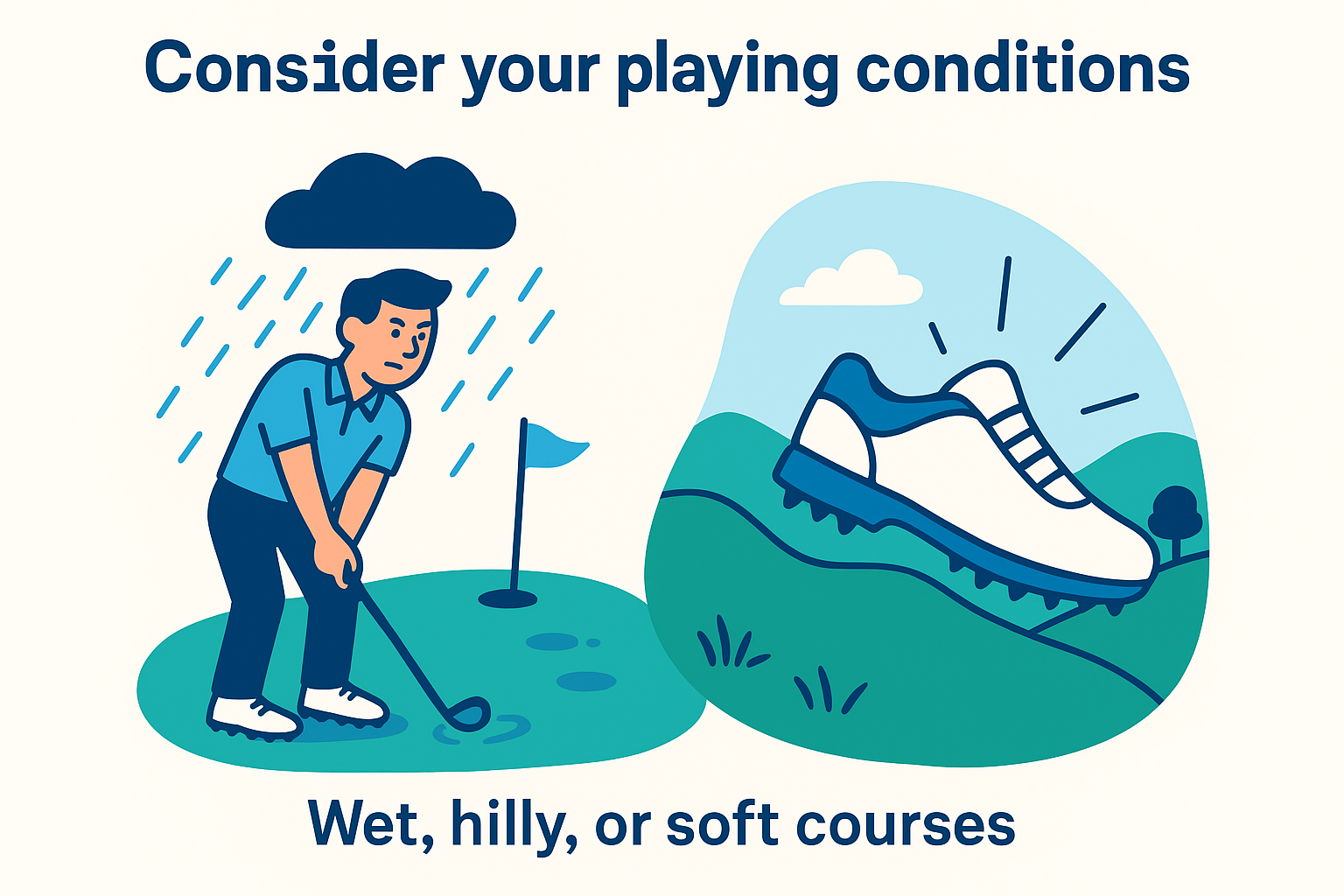
Courses with steep slopes and uneven terrain favour spiked shoes for lateral stability.
Think about your swing and stability needs
Players with aggressive swings and fast hip rotation benefit from the extra grip that spikes provide. You generate more torque and need your feet locked in place. Golfers with smoother, more controlled swings often find spikeless shoes offer enough stability without the added weight or rigidity of cleats.
Factor in comfort and versatility
Spikeless shoes work like trainers. You can wear them to the course, play your round, and keep them on for the drive home. They feel softer underfoot and need zero maintenance beyond basic cleaning. Spiked shoes require you to check and replace worn cleats, and you cannot drive or walk on pavement comfortably without changing footwear first.
Pros and cons of spiked golf shoes
Spiked golf shoes offer clear advantages in specific situations, but they also come with practical limitations that affect how you use them. Understanding both sides helps you decide if the extra grip justifies the trade-offs for your game and lifestyle.
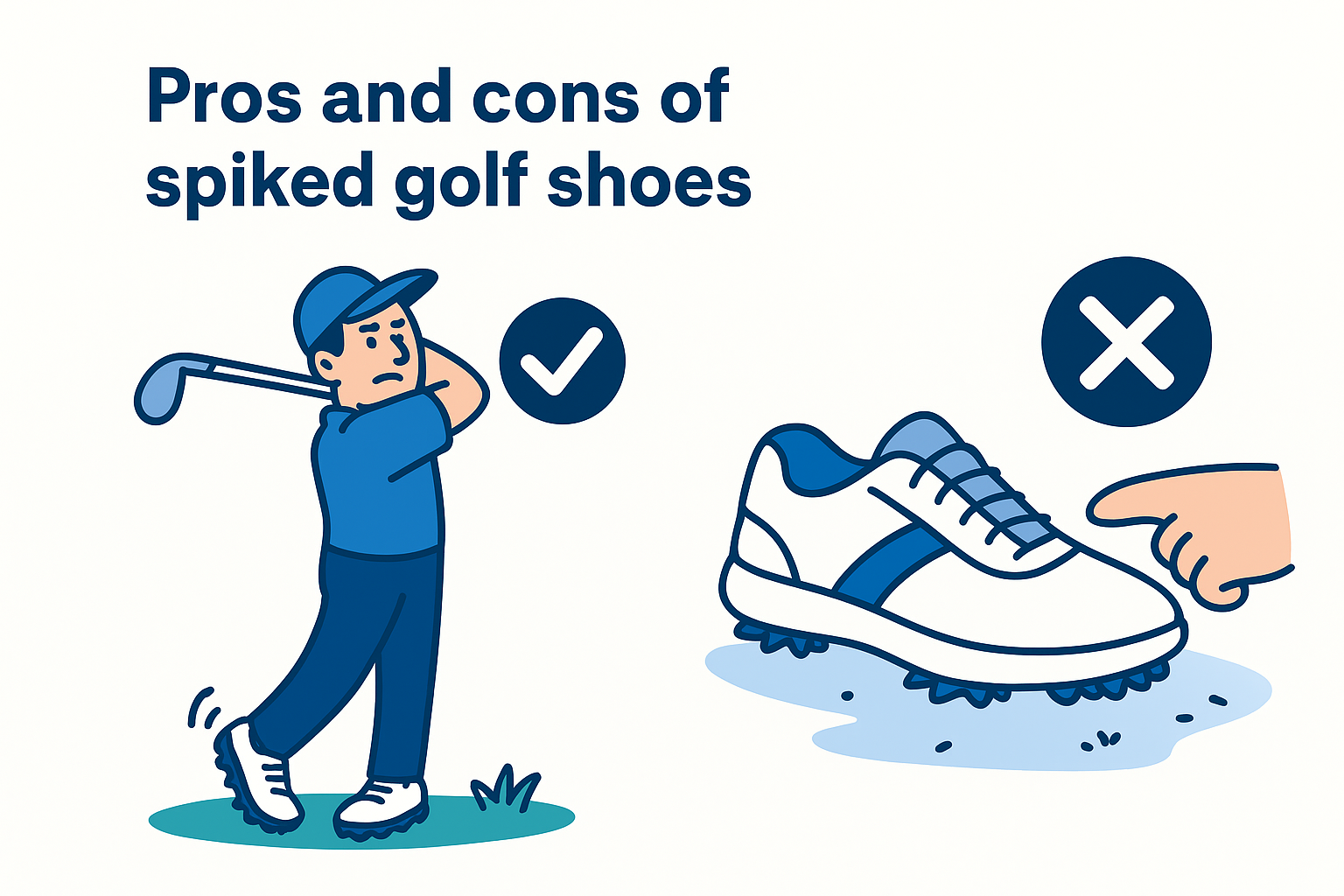
Maximum traction and stability
Spiked shoes deliver superior grip on wet grass, soft ground, and steep slopes. The replaceable plastic cleats penetrate the turf and lock your feet in place during your swing. This matters most when you face slippery conditions or aggressive weight transfers. Players with fast hip rotation benefit from the added security that prevents lateral sliding.
Spiked shoes give you confidence to swing hard without worrying about your footing.
The cleats also provide better stability on uneven lies where one foot sits higher than the other. You maintain balance more easily when addressing sidehill or uphill shots.
Maintenance and practical drawbacks
Spiked shoes require regular cleat checks and replacements. Worn cleats lose effectiveness and can even damage greens, which leads some courses to restrict certain spike types. You need to remove and clean the spike beds periodically to prevent debris buildup and ensure cleats stay secure.
You cannot wear spiked shoes off the course comfortably. The cleats click on hard surfaces and make driving awkward. This forces you to change footwear before and after your round, which adds inconvenience compared to spikeless options.
Pros and cons of spikeless golf shoes
Spikeless golf shoes prioritize comfort and convenience over maximum grip. They work well in many conditions but have clear limitations when courses turn wet or slopes get steep. Understanding where they excel and where they struggle helps you decide if they match your needs in the spiked vs spikeless golf shoes debate.
Comfort and versatility benefits
Spikeless shoes feel like everyday trainers on your feet. The rubber outsoles use patterns of nubs, ridges, and grooves that provide grip without poking into the ground. You walk more naturally, and your feet feel less fatigued after 18 holes compared to the stiffer construction of many spiked options.
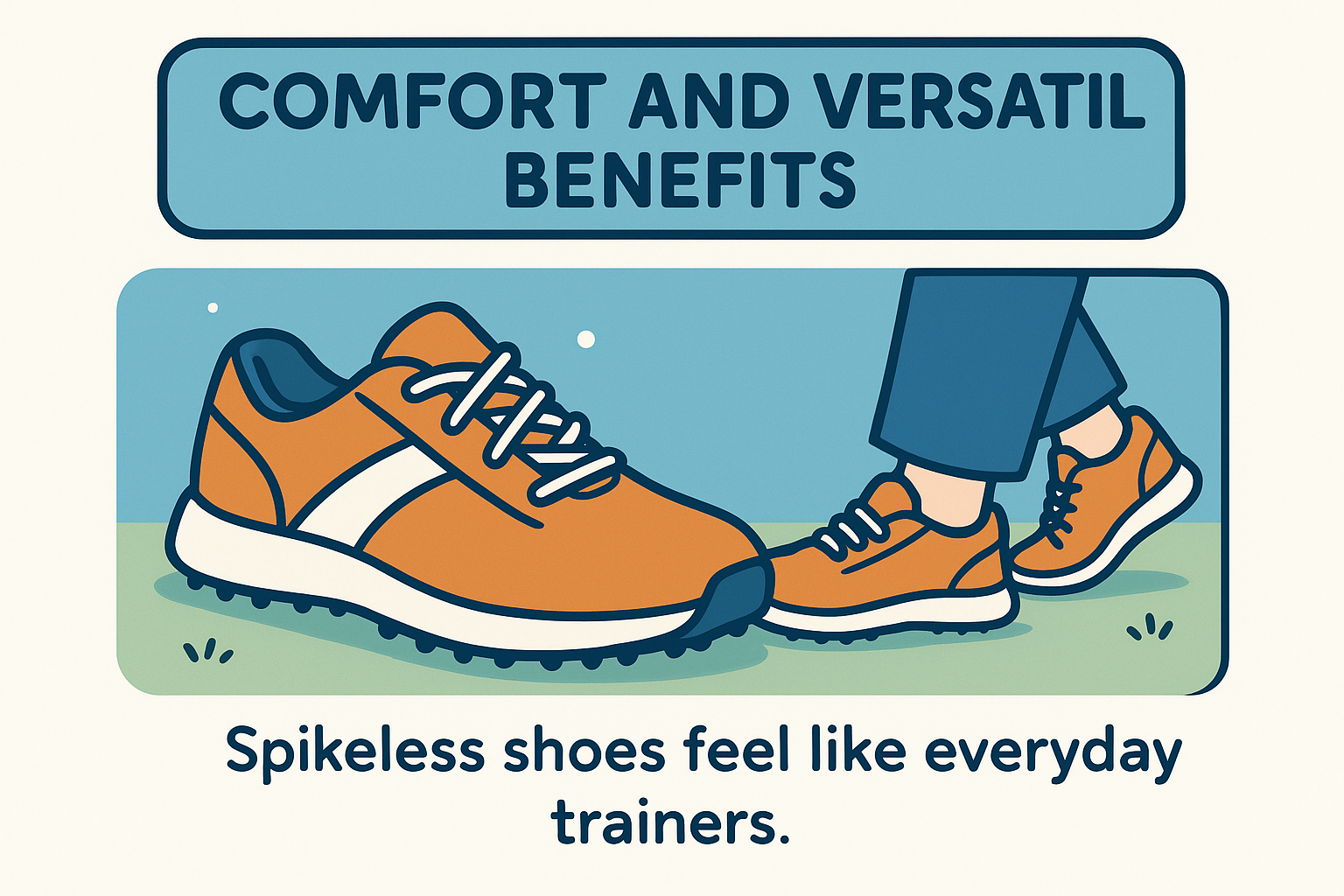
The biggest practical advantage is versatility off the course. You can wear spikeless shoes in your car, at the clubhouse, and around town without changing footwear. They require zero maintenance beyond wiping off grass and dirt. No cleat replacements, no spike bed cleaning, and no tools needed.
Spikeless shoes eliminate the hassle of changing footwear before and after your round.
Traction limitations in certain conditions
Spikeless designs struggle on wet grass and soft ground. The rubber patterns sit on top of the surface instead of penetrating it, which means you get less bite when the turf turns slippery. Fast swingers notice their feet sliding during aggressive weight shifts in damp conditions.
Steep slopes also expose the limitations. Spikeless shoes provide adequate grip on flat terrain but lose effectiveness on uphill, downhill, and sidehill lies where spiked options keep you more stable.
When to wear each type on the course
Your choice in the spiked vs spikeless golf shoes decision changes based on real conditions you face during each round. Matching your footwear to the weather, terrain, and your swing intensity gives you better performance and more confidence over every shot.
Match your shoes to weather conditions
Wear spiked shoes when you play in wet or dewy conditions. Morning rounds with damp grass demand the penetration that cleats provide. Rain-soaked fairways turn slippery, and spikes keep your feet planted through impact. Spikeless shoes work better on dry days when the turf stays firm and you need less aggressive traction.
Temperature also matters. Spiked shoes feel hotter in summer because they often use thicker, waterproof materials. Spikeless options with breathable mesh uppers keep your feet cooler during warm-weather rounds.
Consider the course terrain
Hilly courses require spiked shoes for stability on steep slopes and uneven lies. The cleats prevent sliding when you address a ball above or below your feet. Flat courses with consistent terrain let spikeless shoes perform well since you rarely need extra grip for balance.
Account for your swing and pace
Aggressive swingers with fast hip rotation benefit from spiked shoes that lock their feet during powerful moves. Players with smoother tempos find spikeless options provide adequate stability without extra weight. If you walk 18 holes regularly, spikeless shoes reduce fatigue compared to heavier spiked models.
Choose spiked shoes when conditions demand maximum grip and spikeless when comfort and versatility matter more.
Key takeaways
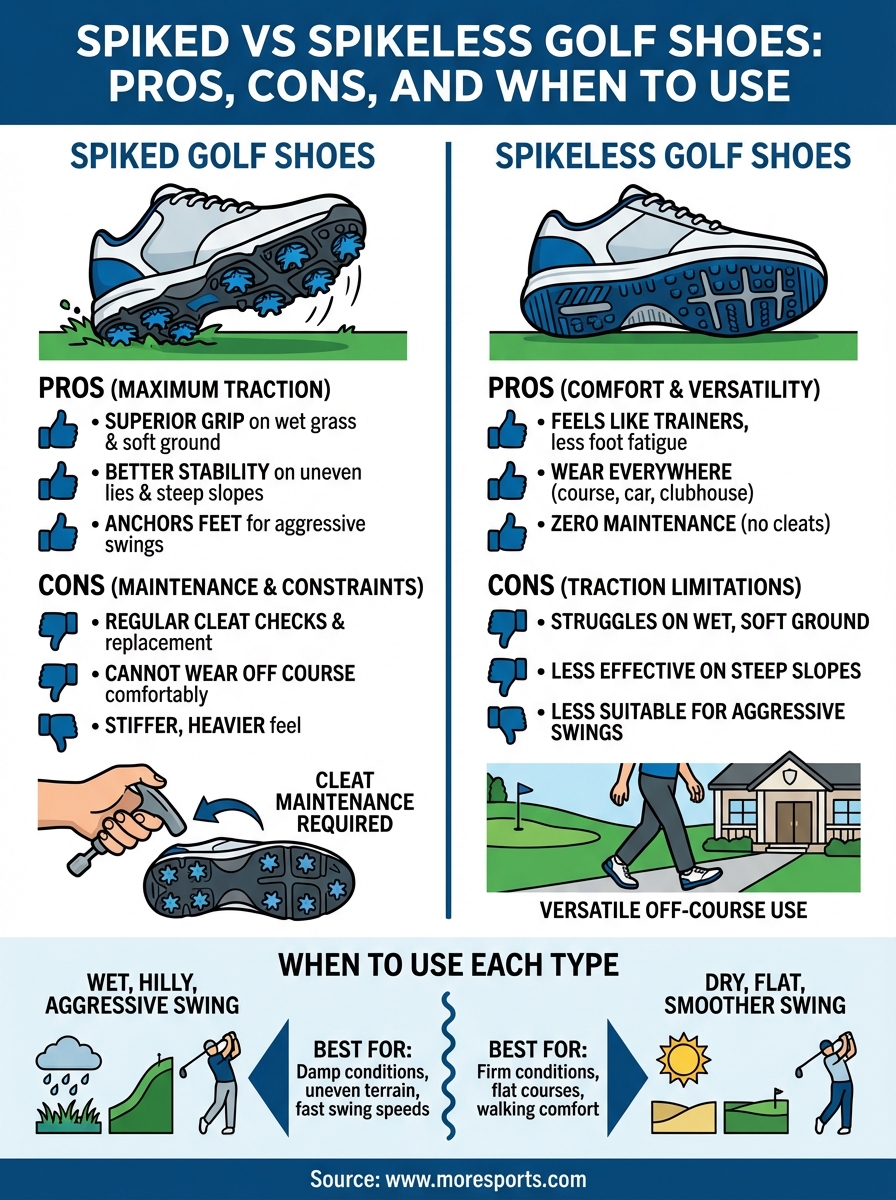
The spiked vs spikeless golf shoes decision comes down to where you play and what you value most. Spiked shoes deliver maximum traction on wet grass, soft ground, and steep slopes. They suit aggressive swingers who need their feet locked during powerful moves. The trade-off involves maintenance, cleat replacements, and the inconvenience of changing footwear before and after rounds.
Spikeless shoes prioritize comfort and versatility for golfers who play mostly dry courses with firm terrain. You walk more naturally, wear them off the course, and skip all maintenance beyond basic cleaning. Choose based on your typical conditions rather than trying to cover every scenario.
Ready to find the right pair? Shop golf shoes at More Sports for quality options at competitive prices.