 No Duties or Customs Fees For EU & UK Customers
 Express Tracked UK Delivery On 1000s of Items
 90 Day Returns

What Are Golf Shoes? Purpose, Spikes Vs Spikeless & Tips
R YGolf shoes are specialised footwear designed to keep you stable during your swing and grip the ground as you walk 18 holes. Unlike regular trainers, they feature unique sole patterns (or spikes) that dig into turf, waterproof materials to handle morning dew, and reinforced sides to support your feet through every shot. They look like athletic shoes or dress shoes depending on the style, but they perform a very specific job on the course.
Choosing your first pair can feel overwhelming. Should you go spiked or spikeless? Do you need waterproofing? What about comfort for all day wear? This guide breaks down everything you need to know about golf shoes. You'll learn why they matter for your game, how spiked and spikeless options compare, what features to look for in modern designs, and practical advice for beginners who just want a reliable pair. Whether you're new to golf or simply ready to upgrade from regular trainers, you'll finish with a clear idea of which shoes suit your playing style and budget.
Why golf shoes matter
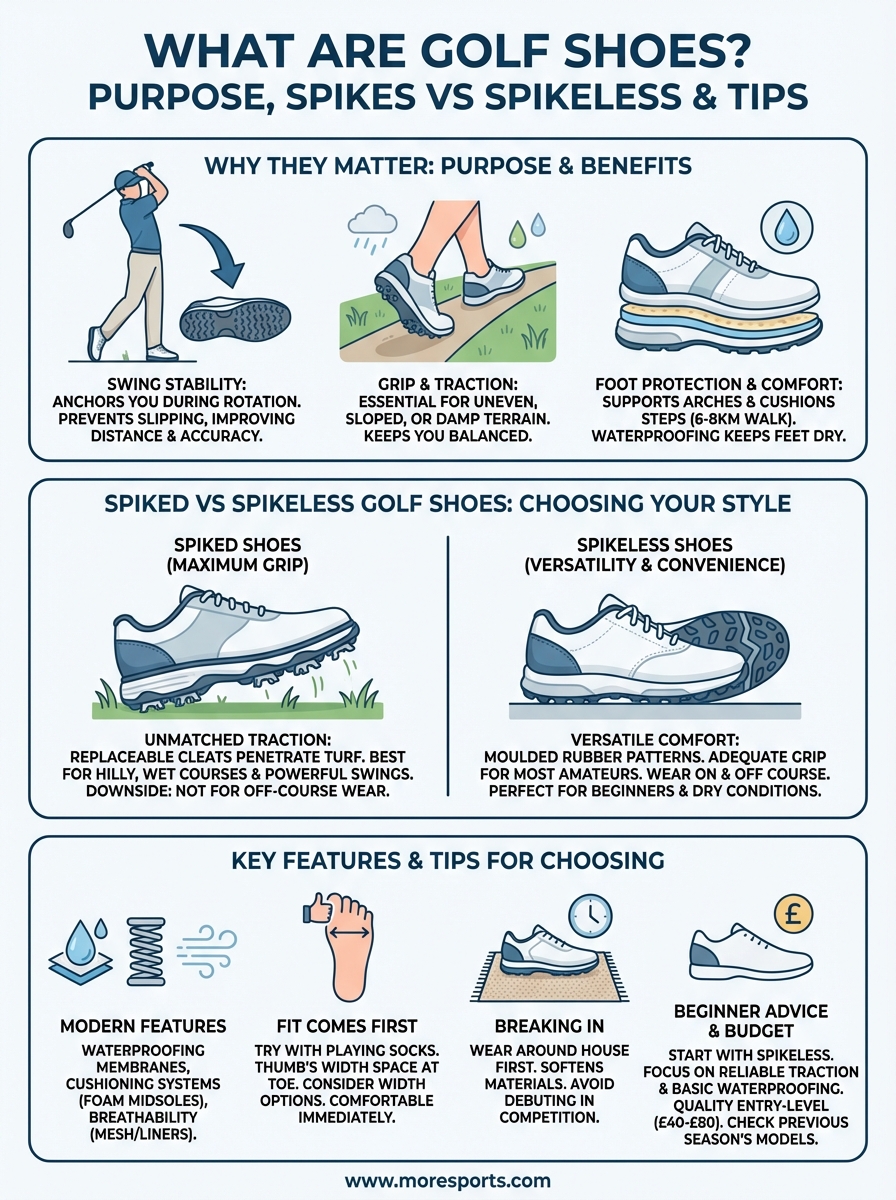
Your swing generates enormous force through your lower body, and regular trainers simply cannot anchor you to the ground during that rotation. Golf shoes provide traction that prevents slipping when you shift weight from your back foot to your front foot, especially on sloped lies or damp grass. Without proper grip, you compensate by swinging cautiously, which costs you both distance and accuracy. Beyond performance, golf shoes protect your feet through long rounds. Walking 18 holes covers roughly six to eight kilometres, often across uneven terrain, and you need footwear that supports your arches and cushions every step.
Traction keeps your swing stable
Specialised outsoles grip the turf when you rotate through impact, preventing your feet from sliding out from under you. This stability lets you swing with full confidence, knowing your base stays planted. Traditional athletic trainers lack the aggressive tread patterns or spike systems found in golf shoes, so you risk losing balance at the worst possible moment. On wet mornings or dewy fairways, the difference becomes even more obvious. Golf shoes also help you maintain your footing when walking up slopes or navigating bunkers.
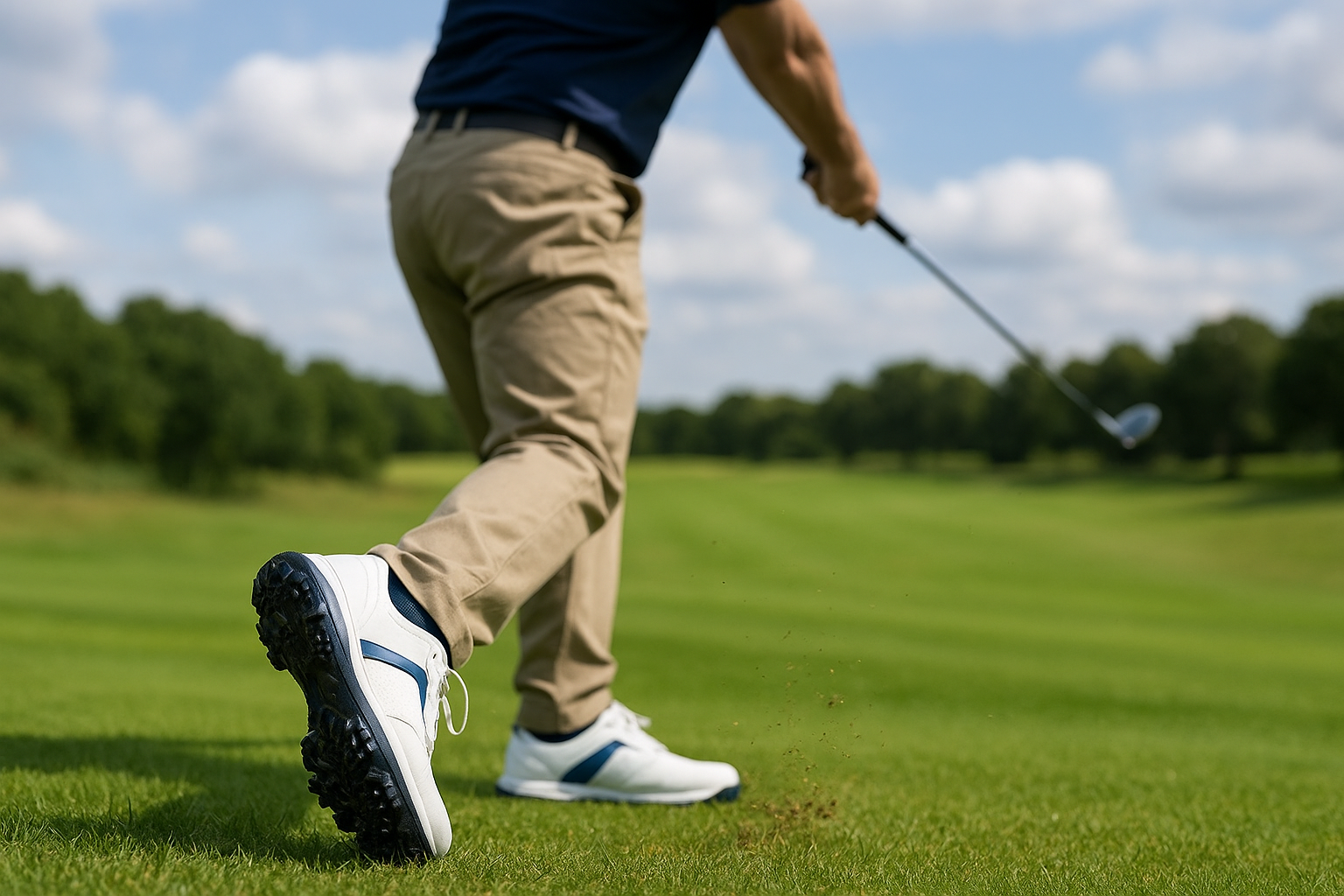
Proper traction means you can commit to every swing without worrying about your feet slipping.
Protection from wet conditions
Waterproof membranes keep your feet dry through morning dew, light rain, or soggy patches of rough. Wet socks lead to blisters and discomfort that ruin your entire round. Modern golf shoes use breathable waterproof materials that block moisture from outside while letting perspiration escape, so your feet stay comfortable for hours. Playing in regular trainers means accepting soggy feet by the third hole.
How to choose and use golf shoes
Selecting the right golf shoes starts with understanding your playing style and the conditions you face most often. You need to balance comfort for long rounds, traction for your swing, and durability that justifies the investment. Most golfers make the mistake of prioritising looks over function, then regret it after their first wet morning or blister-filled back nine. Focus on practical features that match how often you play and where you play. Testing shoes in the shop matters less than you think, because you cannot replicate 18 holes of walking on carpet.
Fit and comfort come first
Your golf shoes should feel comfortable immediately, with no expectation that they will magically improve later. Try them on with the same socks you plan to wear while playing, and walk around the shop for several minutes. Your toes need about a thumb's width of space at the front, because your feet swell during long rounds. Width matters just as much as length. Too narrow and you risk blisters on the sides of your feet, too wide and your foot slides around inside the shoe during your swing. Most brands offer multiple width options, so do not settle for a poor fit just because you like the style.
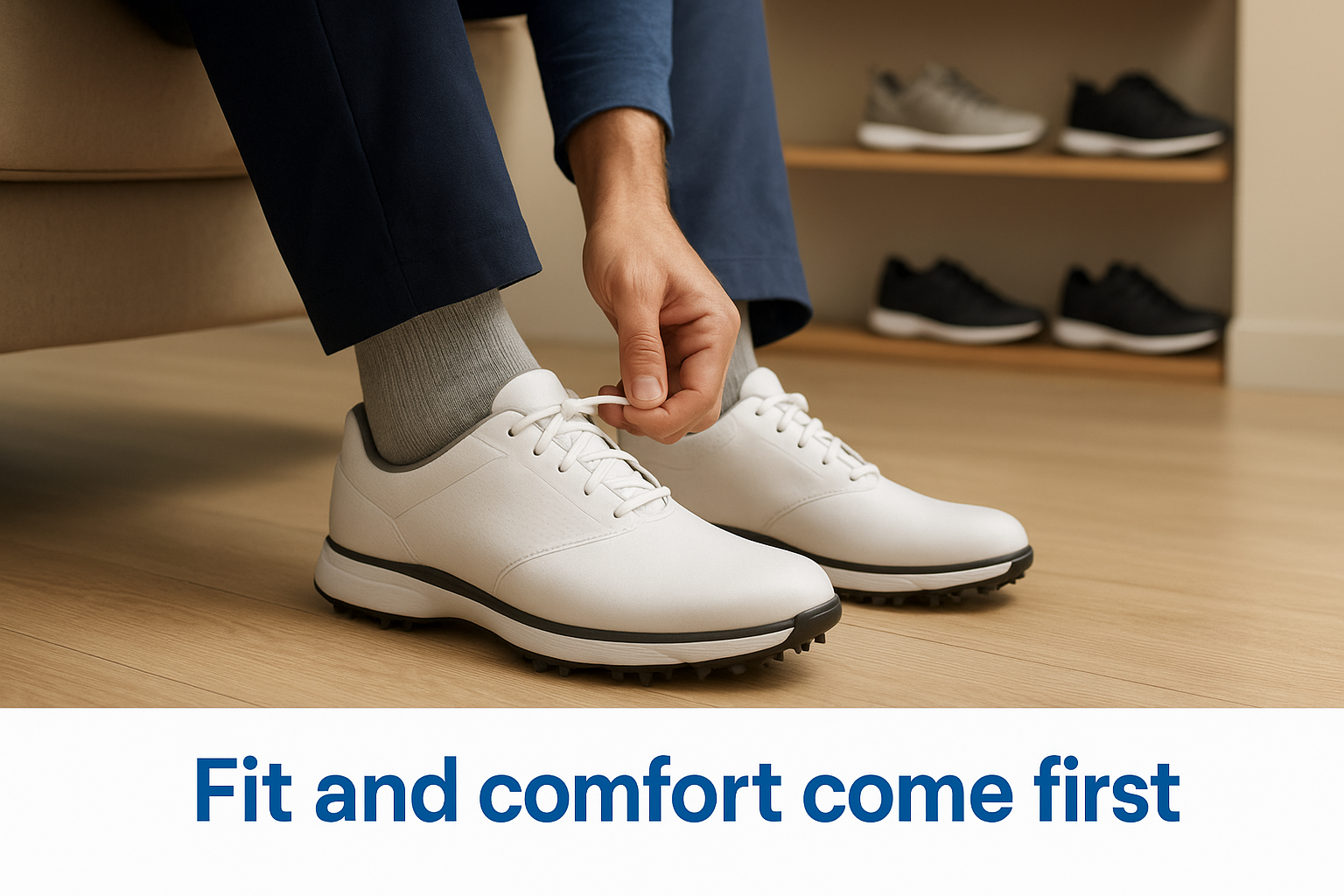
Blisters from poorly fitted shoes will ruin your round faster than any swing fault.
Consider your typical course conditions
Wet courses demand waterproof shoes with aggressive traction, while dry climates let you prioritise breathability and lighter weight. If you play year-round in the UK, waterproofing becomes essential rather than optional. Check the shoe's waterproof rating and read reviews from golfers in similar climates. Some "water resistant" shoes only handle light dew, not proper rain. Your local course's terrain also influences your choice. Hilly courses need more substantial grip systems than flat parkland layouts. Budget matters, but spending £20 more for waterproofing often proves worthwhile after just one soggy round.
Breaking in your new shoes
Wear your golf shoes around the house for short periods before taking them onto the course. This softens the materials and reveals any pressure points while you can still return them. Walk on carpet or hardwood floors only, keeping the soles clean in case you need to exchange them. Start with 15-minute sessions, gradually increasing to an hour. Some golfers wear their new shoes to the driving range first, testing them through a bucket of balls before committing to 18 holes. Never debut brand new shoes during a competition or important round.
Spiked vs spikeless golf shoes
The debate between spiked and spikeless golf shoes boils down to how much traction you need versus how much versatility you want. Spiked shoes use replaceable cleats that screw into the sole, providing aggressive grip that digs into turf. Spikeless shoes rely on moulded rubber patterns across the outsole, offering decent traction with the bonus of walking off the course without changing footwear. Neither option is universally better. Your choice depends on the courses you play, weather conditions you face, and whether you value performance or convenience more.
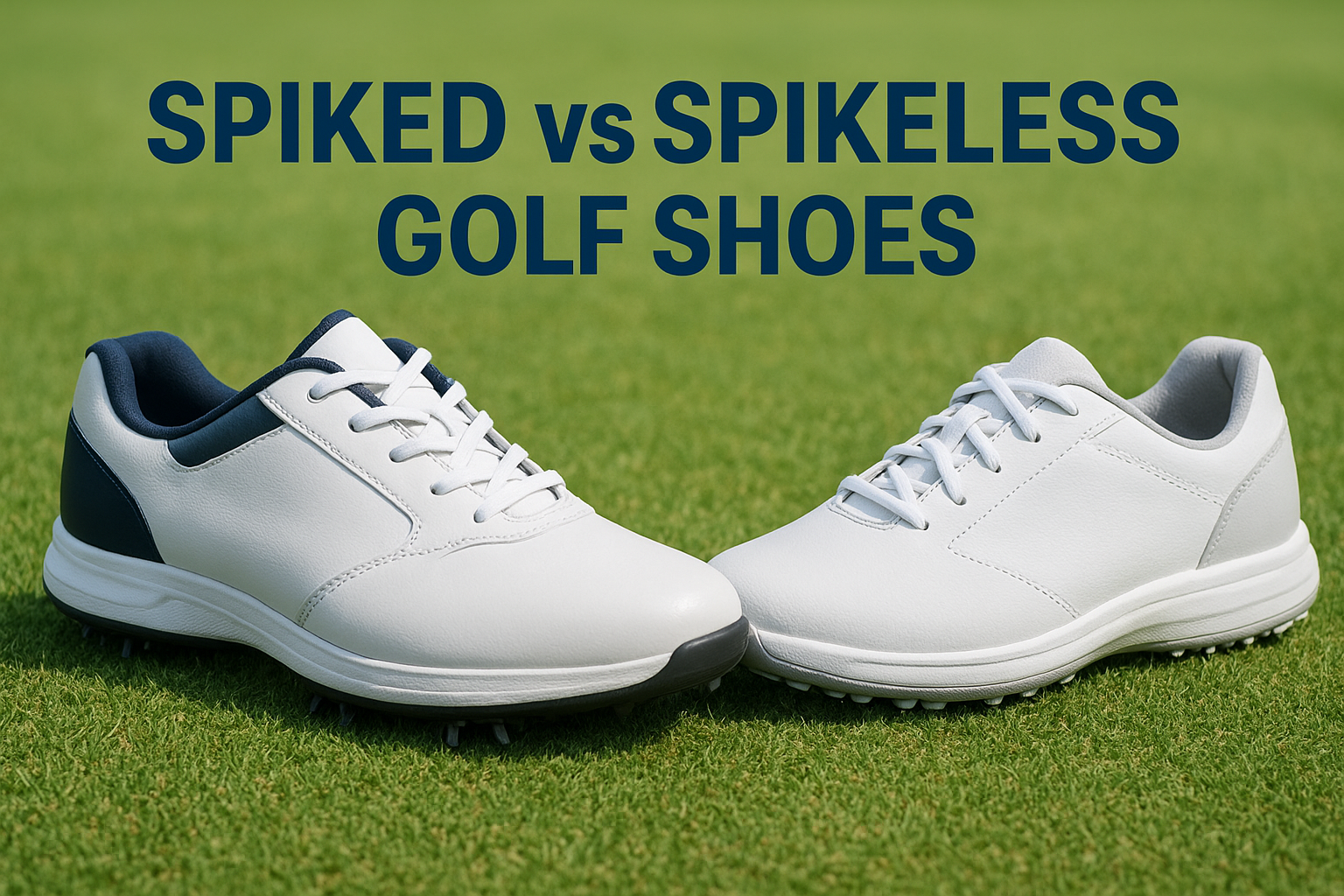
Spiked shoes for maximum grip
Traditional spiked golf shoes deliver unmatched traction on wet grass, sloped lies, and during powerful swings. The cleats penetrate the turf surface, creating a stable platform that spikeless designs cannot replicate. Professional golfers overwhelmingly choose spiked shoes because they eliminate any possibility of slipping during full-power swings. You benefit most from spikes when playing hilly courses or in damp conditions, where the extra grip becomes essential rather than optional. Modern spikes use soft plastic that protects greens while still biting into fairways and rough.
Downsides include the inability to wear spiked shoes off the course without damaging floors or pavements. Cleats wear down over time, requiring replacement every season or two depending on how often you play. Some clubhouses restrict spiked shoes in their facilities, forcing you to carry a second pair.
Spikeless shoes for versatility
Spikeless golf shoes prioritise comfort and convenience without sacrificing too much performance. The rubber nubs and tread patterns provide adequate grip for most amateur golfers, particularly on dry courses or flat terrain. You can wear them straight from the car park to the first tee, then into the clubhouse bar afterwards without changing. This versatility makes spikeless shoes popular with golfers who play once or twice per week and value simplicity.
Spikeless designs suit golfers who prioritise comfort and casual style over absolute maximum traction.
Performance suffers slightly on steep slopes or wet mornings compared to spiked alternatives. The moulded rubber also tends to wear faster than replaceable cleats, reducing the shoe's effective lifespan. Understanding what are golf shoes and their traction systems helps you match your footwear to your playing frequency and course conditions.
Key features of modern golf shoes
Modern golf shoes combine performance technology with everyday comfort, moving far beyond the clunky leather designs from previous decades. Today's manufacturers use advanced materials and engineering to create footwear that handles multiple demands simultaneously. Understanding what are golf shoes means recognising these key features that separate them from regular athletic footwear. You should prioritise the features that match your playing frequency and local weather conditions rather than chasing every innovation on the market.
Waterproofing technology
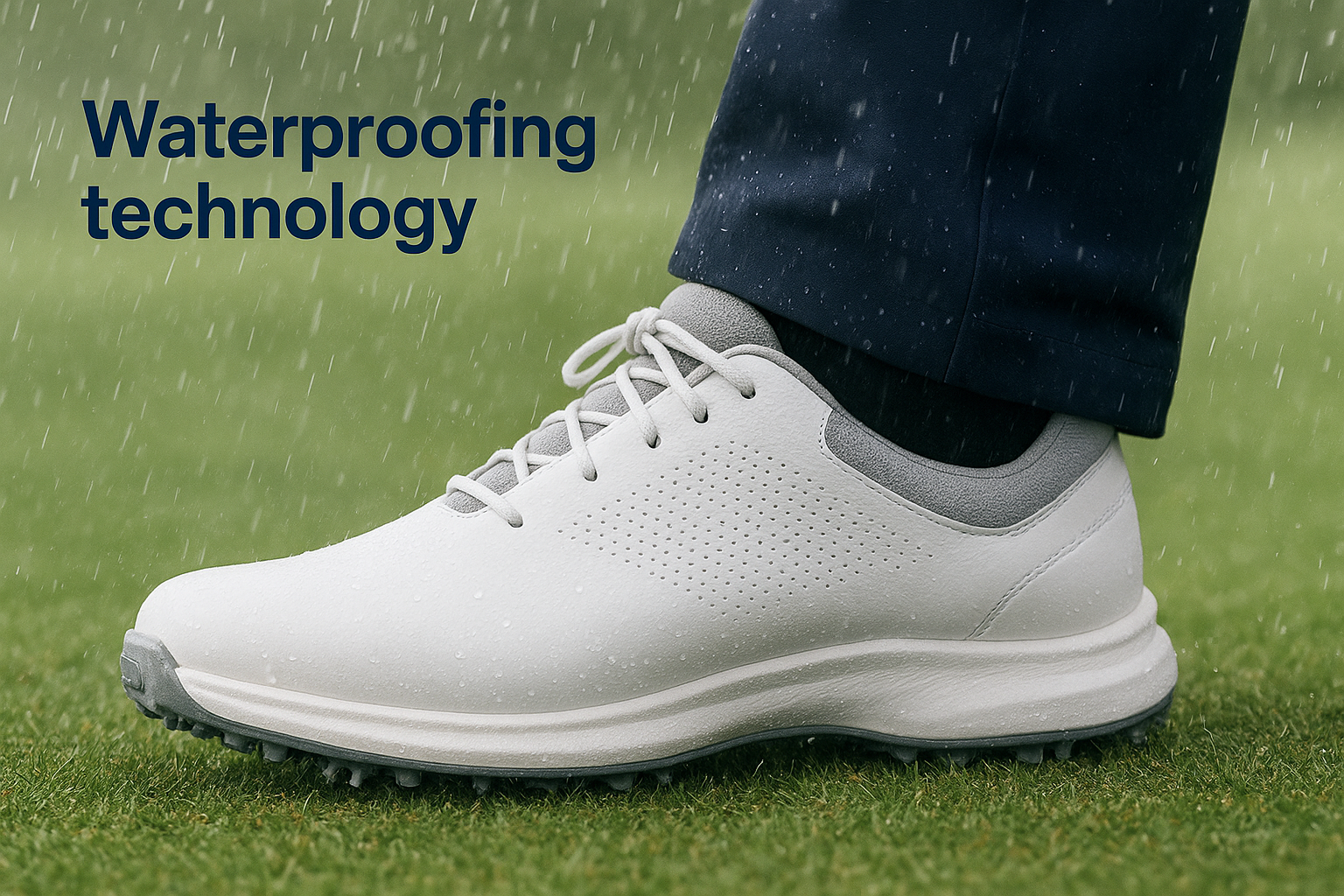
Waterproof membranes protect your feet from moisture while still allowing sweat vapour to escape through microscopic pores. The most common systems include Gore-Tex liners or proprietary branded alternatives that seal out rain and dew without turning your shoes into sweatboxes. Check the manufacturer's waterproof rating, which typically ranges from one to three years of guaranteed protection. Seam-sealed construction prevents water from sneaking through stitching points. Some budget shoes use water-resistant treatments instead of true waterproof membranes, which only handle light dew rather than prolonged exposure.
Cushioning and support systems
Foam midsoles absorb shock through thousands of steps across 18 holes, reducing fatigue in your feet, knees, and lower back. Premium models incorporate responsive cushioning materials that compress on impact then spring back, conserving energy throughout your round. Arch support varies significantly between brands, with some offering removable insoles you can replace with custom orthotics. Lateral support prevents your foot from rolling during your swing, particularly important during powerful drives. The heel counter should feel firm enough to lock your foot in place without causing pressure points.
Quality cushioning systems make the difference between finishing strong or limping through the final holes.
Breathability keeps feet fresh
Mesh panels or perforated leather allow air circulation, preventing the sweaty discomfort that builds up during summer rounds. Moisture-wicking linings pull perspiration away from your skin, working alongside the waterproof membrane rather than fighting against it. Balance matters here, because highly breathable shoes typically sacrifice some waterproof performance. Your climate determines which feature takes priority.
Golf shoes for beginners and casual players
New golfers often overthink their first pair of golf shoes, worrying about features they do not yet need. You want reliable traction, basic waterproofing, and comfort that lasts through your early rounds while you build your swing fundamentals. Understanding what are golf shoes and their core functions helps you avoid spending money on advanced features you cannot yet appreciate. Focus on getting one dependable pair rather than collecting multiple options before you know your playing frequency and preferences.
Start with spikeless shoes
Spikeless designs suit beginners perfectly because they provide adequate grip for learning your swing without the maintenance hassle of replaceable cleats. You can wear them to the driving range, around the clubhouse, and even for casual errands without damaging floors or attracting stares. Entry-level spikeless models from established brands deliver all the performance you need while building your golf skills. The versatility matters more during your first season than maximum traction, because you likely play on relatively flat courses in decent weather.
Spikeless shoes let you focus on learning golf rather than managing equipment complications.
Budget considerations
Quality entry-level golf shoes cost between £40 and £80, offering genuine waterproofing and proper traction systems that last multiple seasons. Avoid shoes below £30, which typically use fake waterproofing and uncomfortable materials that fail within months. Previous season's models from reputable brands often appear in sales at significant discounts, giving you premium features at beginner prices. Watch for clearance deals at the end of summer or after Christmas when retailers make space for new inventory.
Ready to pick your pair
You now understand what are golf shoes, how they differ from regular trainers, and which features matter most for your game. Your choice between spiked and spikeless depends on your course conditions and how often you play, while waterproofing and cushioning determine your comfort through long rounds. Beginners should start with spikeless designs for their versatility and ease of use, upgrading to spiked options later if your playing frequency increases or you tackle hillier courses regularly.
Testing shoes properly means wearing them around your house first, checking for pressure points and ensuring the fit accommodates swelling during 18 holes. Quality entry-level models from reputable brands outperform cheap alternatives by years, making them the smarter investment even on tight budgets. Budget-conscious golfers benefit from previous season's designs from established manufacturers, which deliver premium performance at reduced prices. Browse golf shoes at More Sports to find options from leading brands including FootJoy, Adidas, and Stuburt, with free UK delivery over £25 making it simple to compare sizes at home.