 No Duties or Customs Fees For EU & UK Customers
 Free UK Delivery On Orders Over £25
 90 Day Returns

Base Layer Clothing: Enhancing Comfort Outdoors
BLGBraving the chill on a windswept trail or tackling steep ski runs demands more than just determination. For British hikers and skiers, understanding the role of base layer clothing goes beyond simple warmth. The difference between shivering and staying comfortable often hinges on material technology that manages moisture and controls insulation. This article demystifies common misconceptions and equips you with practical knowledge to choose the best gear for any adventure, whether you’re trekking the Lake District or carving through the Alps.
Table of Contents
- Base Layer Clothing Defined And Common Misconceptions
- Different Types Of Base Layer Fabrics Explained
- Moisture Management And Insulation Performance
- How To Choose The Right Base Layer For You
- Base Layer Care, Longevity, And Common Mistakes
Key Takeaways
| Point | Details |
|---|---|
| Base Layers Functionality | Base layers are designed to manage moisture and regulate body temperature, using materials like merino wool or synthetics to wick sweat away effectively. |
| Fitting and Layering | A snug fit is essential for base layers to function correctly; they should not be worn loose. Proper layering includes a base, mid, and outer layer for optimal performance, not just a waterproof jacket. |
| Fabric Choices | Merino wool excels at temperature regulation but is more expensive, while synthetic options are durable and cost-effective, each catering to specific conditions and activities. |
| Care and Maintenance | Proper care is crucial for longevity; wash in cold water, avoid fabric softeners, and store them folded to preserve their integrity and performance. |
Base Layer Clothing Defined and Common Misconceptions
Base layer clothing serves a single, critical purpose: to manage moisture and regulate your body temperature when you’re active outdoors. Unlike regular cotton t-shirts that absorb sweat and leave you cold, base layers use synthetic materials or merino wool to pull moisture away from your skin and either evaporate it or transfer it to the next layer. This process, called wicking, keeps you dry and comfortable during everything from hillwalking in the Scottish Highlands to skiing runs in the Alps. The confusion around base layers often stems from the fact that people treat them like casual wear when they’re actually technical garments designed for specific conditions.
One of the most widespread misconceptions is that thicker always means warmer. In reality, base layers work through clever material engineering rather than bulk. A well-designed merino wool or synthetic base layer that’s 150 grams per square metre can outperform a chunky cotton jumper three times its weight because it actively manages moisture instead of trapping it. Another common myth is that you should wear your base layer loose for airflow. The truth is almost the opposite: base layers need to fit snugly against your skin to function properly. They work by staying in contact with your body, drawing perspiration away efficiently. A baggy base layer defeats the purpose entirely. People also wrongly assume base layers are only for extreme cold. In fact, they’re equally valuable during high-intensity hiking on mild days, when you’re generating heat faster than your body can cool itself.
There’s also confusion about layering strategy itself. Many outdoor enthusiasts wear a base layer, then immediately add a waterproof jacket, thinking that’s sufficient. The layering principle requires three components: a moisture-wicking base layer, an insulating mid-layer (like fleece or down), and a protective outer shell. Each layer serves a distinct function, and skipping the mid-layer means you’re missing crucial insulation. Additionally, some people believe one base layer fits all seasons. You’ll actually need different weights for different activities and conditions. Winter mountaineering calls for a heavier 200-gram merino layer, whilst summer trail running needs something closer to 100 grams that prioritises breathability over warmth.
Pro tip: Check the fabric composition label before buying any base layer. Look for materials like merino wool (which regulates temperature naturally), polyester or polyamide blends (durable and quick-drying), or nylon (excellent for high-movement activities). Avoid cotton entirely, regardless of price—it simply cannot perform the moisture-wicking function you need outdoors.
Different Types of Base Layer Fabrics Explained
Your choice of base layer fabric makes or breaks your comfort outdoors. The material you select determines how effectively moisture moves away from your skin, how warm you’ll stay, and how long the garment will last through repeated washing and harsh conditions. There are essentially two camps when choosing base layers: natural fibres and synthetics, each with distinct advantages depending on your activity and environment.
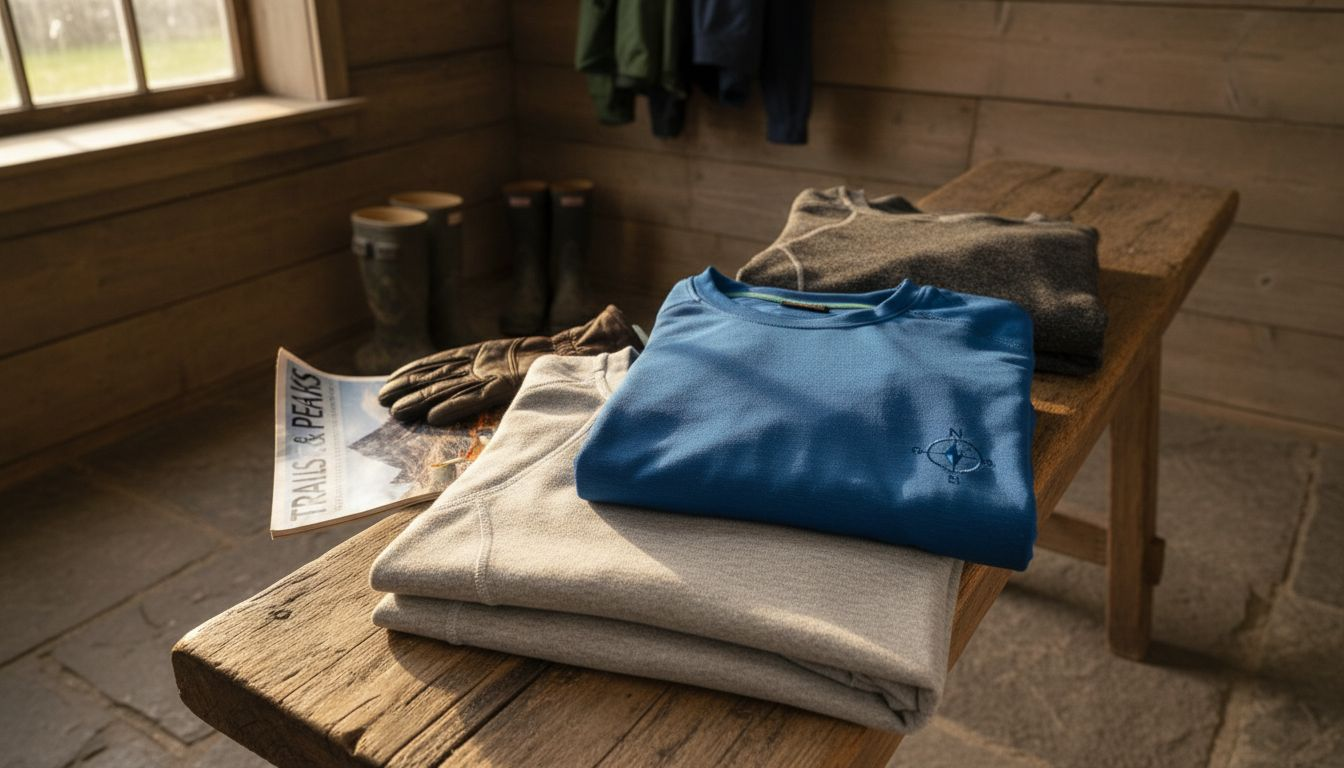
Merino wool stands out as the natural fibre champion for outdoor enthusiasts. Unlike regular wool that feels itchy and heavy, merino is incredibly soft and breathable. It naturally regulates temperature, keeping you warm when it’s cold and cool when you’re generating heat. Merino also has a remarkable property: it neutralises odour naturally, so you can wear the same base layer for multiple days without developing that unpleasant smell. The downside? Cost. Quality merino base layers are significantly more expensive than synthetic alternatives, typically running £40 to £80 per garment. Additionally, merino requires careful washing to maintain its properties.
Synthetic fabrics like polyester and nylon dominate the market for good reasons. These materials excel at moisture-wicking, pulling sweat away from your skin rapidly and drying almost completely within hours. They’re remarkably durable, standing up to frequent washing and the wear that comes from trail running or skiing. Synthetic base layers cost significantly less than merino, making them accessible for most budgets. The trade-off is that synthetics can retain odour more readily and don’t regulate temperature quite as effectively in extreme conditions. Many people find synthetics get clammy in very intense activities where sweat production outpaces evaporation.
Blended fabrics offer a practical middle ground. Layered clothing systems often utilise blends combining merino wool with polyester or nylon, capturing benefits from both worlds. You get the temperature regulation and odour management of wool paired with the durability and quick-dry properties of synthetics. These blends typically cost less than pure merino but more than 100% synthetic options. For UK hikers and skiers, a quality blend often provides the best value and performance across varying conditions.
Pro tip: If you’re just starting your base layer collection, begin with a synthetic option like polyester or a polyester blend in a mid-weight (around 150 to 200 grams per square metre). You’ll build confidence without significant investment, then upgrade to merino when you understand what performance characteristics matter most for your specific activities.
Here’s a concise comparison of popular base layer fabric types and their characteristics:
| Fabric Type | Thermal Regulation | Moisture Management | Price Range |
|---|---|---|---|
| Merino Wool | Excellent in all temps | Very effective wicking | £40 to £80 per garment |
| Polyester/Nylon | Moderate, best dry air | Quick-drying, strong wicking | £15 to £40 per garment |
| Merino Blend | Balanced performance | Reliable wicking & insulation | £30 to £60 per garment |
Moisture Management and Insulation Performance
Moisture management is where base layers prove their worth. When you’re hiking Ben Nevis or carving down a ski slope, your body generates sweat constantly. Cotton absorbs that moisture and holds it against your skin, which rapidly cools you down as temperatures drop. Base layers work completely differently. Moisture-wicking fabrics pull sweat away from the skin to the outer surface of the fabric, where it can evaporate into the air. This process keeps you dry, prevents chilling, and maintains your body’s core temperature. The mechanism sounds simple, but the science behind it involves the fabric’s chemical composition and fibre structure working together to move water molecules outward rather than letting them pool against your body.
Capillary action drives this moisture movement. Think of it like water climbing up a paper towel without you squeezing it. Base layer fabrics utilise capillary action to spread moisture across a larger surface area, dramatically increasing evaporation speed. Polyester, for instance, has remarkably low moisture regain, meaning it absorbs very little water compared to cotton. A synthetic base layer might absorb only 5 to 8 per cent of its weight in water, whilst cotton absorbs 20 per cent or more. This difference defines your comfort level during intense activity. When you stop moving, however, insulation performance becomes critical. A dry base layer traps warm air in its fibres and against your skin, creating an insulating layer that slows heat loss. The fibres themselves, whether merino wool or polyester, contribute minimal insulation. Instead, the air pockets within the fabric structure do the heavy lifting.
Understanding how these two functions interact is crucial for choosing the right base layer weight. A lightweight base layer (100 to 150 grams per square metre) prioritises moisture-wicking over insulation, making it ideal for high-intensity activities like fell running or ski touring where you’re generating significant heat. A mid-weight layer (150 to 250 grams per square metre) balances both functions and suits most winter hiking scenarios. Heavyweight base layers (250 grams and above) maximise insulation but sacrifice some wicking efficiency, better suited for standing activities in extreme cold where heat generation is minimal. Environmental conditions matter too. In extremely cold, dry air, moisture evaporates faster, so even lightweight layers provide adequate insulation. In damp conditions, however, that same lightweight layer struggles because evaporation slows dramatically.
Pro tip: Match your base layer weight to your activity intensity, not just the outside temperature. A lightweight synthetic base layer during vigorous winter hiking outperforms a heavyweight merino layer because active sweat management prevents chilling, whilst the mid-layer and outer shell provide the necessary insulation.
To help select your ideal base layer weight, here is a summary matching weight to use scenarios:
| Weight (g/m²) | Best For | Insulation Level | Wicking Efficiency |
|---|---|---|---|
| 100–150 | Intense, high-energy sports | Minimal, prioritises cooling | Very fast |
| 150–250 | Winter hiking, general use | Moderate insulation | Balanced |
| 250+ | Low-activity, extreme cold | High insulation | Slower moisture transfer |
How to Choose the Right Base Layer for You
Selecting the right base layer requires understanding three core factors: your primary activity, the climate conditions you’ll encounter, and your personal heat generation rate. These elements work together to determine which fabric type, weight, and fit will keep you comfortable. Start by being honest about what you’ll actually be doing. Are you hiking at a steady pace through winter mountains, or standing still whilst fishing in a reservoir? Are you skiing aggressively down slopes, or taking leisurely cross-country tours? Your activity intensity directly dictates the base layer weight you need. High-intensity pursuits demand lightweight, maximum-wicking layers because you’re generating substantial body heat and need sweat removal to stay comfortable. Low-intensity or stationary activities benefit from heavier, more insulating layers because you’re not producing enough heat to stay warm.
Climate conditions add another layer of complexity. Winter in the Scottish Highlands presents different challenges than a spring ski trip to the Alps. Consider both temperature and humidity when making your choice. Cold, dry air allows moisture to evaporate quickly, so even lightweight base layers function effectively. Damp, cold conditions complicate matters significantly because evaporation slows dramatically, reducing the base layer’s cooling efficiency. In these scenarios, many outdoor enthusiasts prefer merino wool because its natural temperature regulation helps maintain comfort even when moisture accumulation occurs. Humidity also affects fabric performance. Synthetic materials work brilliantly in low-humidity environments but can feel clammy in damp conditions. Merino wool manages humidity better due to its hygroscopic properties, though it costs considerably more.
Your personal physiology matters more than you might expect. Some people naturally run warm and sweat profusely during activity. Others generate less metabolic heat and feel cold easily. Neither approach is wrong, but it dictates your base layer choice significantly. Warm-running hikers benefit from lightweight, maximum-wicking synthetics that prevent overheating and moisture accumulation. Cold-sensitive individuals might prefer merino blends that provide greater insulation despite their slightly lower wicking efficiency. Test layers in low-stakes situations before committing to expensive garments. Buy one base layer, use it on day hikes or short ski runs, and evaluate how it performs. Pay attention to whether you feel clammy, chilled, or uncomfortably warm. This real-world feedback guides your next purchase far better than theoretical knowledge.
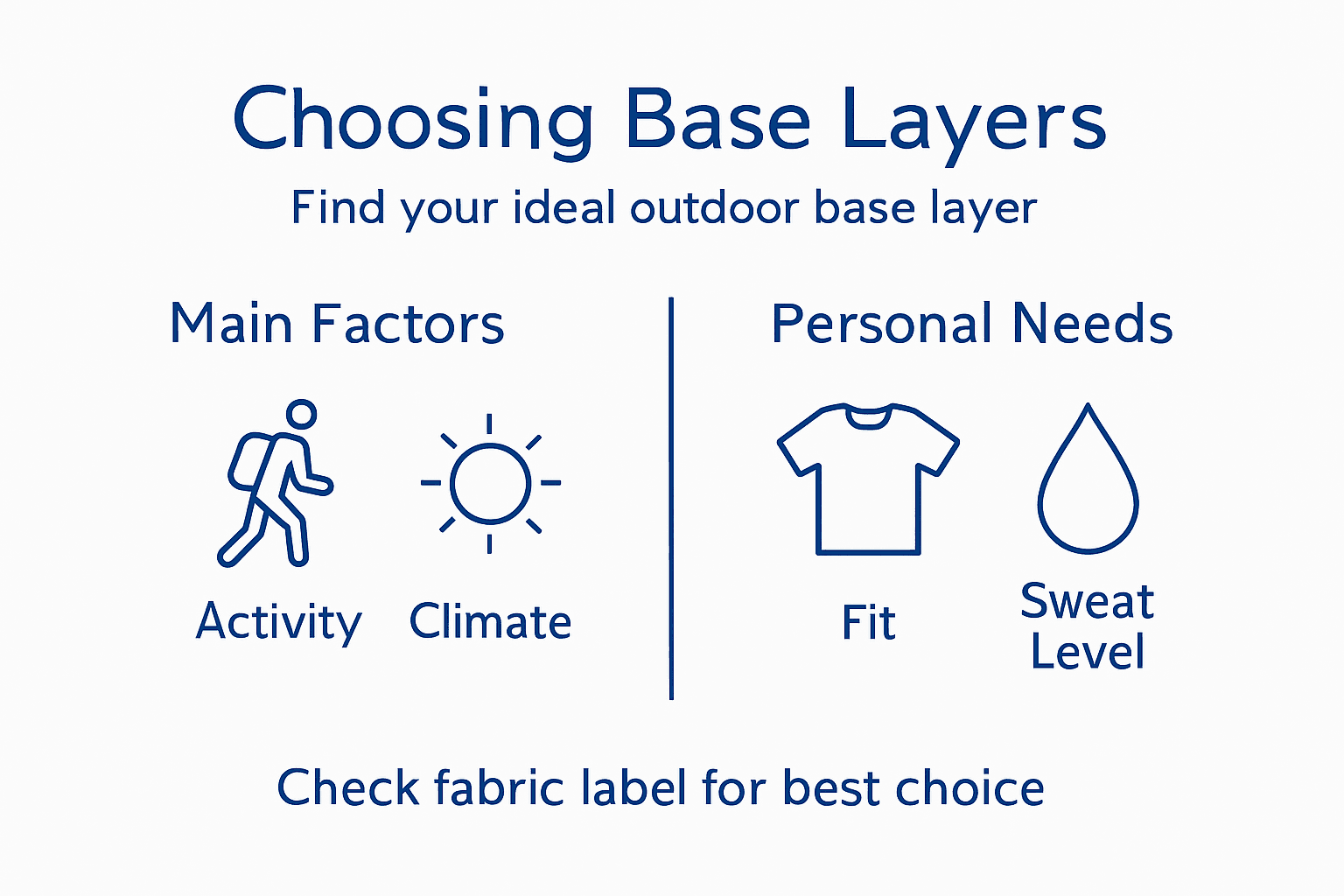
Pro tip: Start with one mid-weight synthetic base layer in your size (not tight, not loose) and wear it during varied activities at different intensities. After three to four outings, you’ll understand whether you need lighter, heavier, warmer, or more breathable options for your specific situation and preferences.
Base Layer Care, Longevity, and Common Mistakes
Your base layer investment only pays dividends if you care for it properly. These garments are remarkably durable when handled correctly, but improper washing and storage can destroy their performance within a handful of uses. The biggest mistake most people make is treating base layers like regular clothing. Throwing your merino wool base layer into a standard wash cycle with regular detergent and then tumble-drying it will degrade its fibres permanently. For synthetic base layers, hot water and high-temperature drying accelerate the breakdown of elastic fibres that maintain fit and function. The golden rule is simple: cold water, gentle cycle, and air drying every single time. Use a mild detergent specifically designed for technical fabrics if possible. Standard laundry detergent leaves residue that clogs the fabric’s pores and reduces wicking efficiency dramatically.
Merino wool requires particular attention. Never use fabric softener, bleach, or traditional wool wash products formulated for delicate garments. These products coat the fibres and prevent moisture from moving through the fabric effectively. Instead, use a sports-specific technical wash or a pH-neutral detergent designed for performance textiles. Wash merino garments inside out in cold water, then lay them flat or hang them to dry. This approach preserves the fibre structure and maintains the natural properties that make merino so valuable. Synthetic base layers are more forgiving but still need care. Avoid fabric softener entirely, as it serves no purpose on technical fabrics and actively harms performance. Washing inside out reduces pilling and extends lifespan considerably. Air drying prevents the elastic degradation that comes from heat exposure.
Storage matters more than many people realise. Hanging base layers long-term stretches the fabric slightly and encourages fibre creep. Instead, fold them neatly and store them in a cool, dry location away from direct sunlight. Sunlight exposure degrades synthetic fibres over time, fading colours and weakening the material. Never store damp base layers, as this creates an environment for mildew and odour development. Most quality base layers last three to five years with proper care, though some merino garments perform well for a decade. The common mistake of overwashing accelerates deterioration unnecessarily. Merino wool naturally resists odour and can be worn multiple times before washing. Synthetic layers can handle two to three wears before needing a wash. Reduce wash frequency by airing out your base layer between uses rather than automatically laundering after every outing.
Pro tip: After each use, hang your base layer outside or in a well-ventilated room for at least two hours before storing it. This drying period removes moisture and allows any odour to dissipate naturally, extending the time before washing becomes necessary and significantly prolonging the garment’s lifespan.
Elevate Your Outdoor Comfort with the Perfect Base Layer
Discover how choosing the right base layer fabric and weight can transform your outdoor adventures. Whether you are heading out for winter hiking, high-intensity trail running, or a relaxing day in the countryside, managing moisture and temperature effectively is essential to stay comfortable and avoid chills. At MoreSports, we understand your need for technical base layers that wick sweat, provide insulation, and fit snugly for maximum performance.

Explore our extensive range of base layers from trusted brands that offer synthetic, merino wool, and blended options designed to match various activities and climates. Benefit from our competitive pricing, free UK delivery on orders over £25, and expert UK-based customer support. Step up your layering game now and experience lasting comfort outdoors by visiting MoreSports, where quality meets performance.
Frequently Asked Questions
What is a base layer clothing and its main purpose?
Base layer clothing is designed to manage moisture and regulate body temperature during outdoor activities. It pulls sweat away from the skin to keep you dry and comfortable, unlike regular cotton garments.
How do I choose the right weight of base layer for my activity?
Select your base layer weight based on your activity intensity. Lightweight layers (100-150 g/m²) are ideal for high-intensity activities, while mid-weight layers (150-250 g/m²) suit general winter use, and heavyweight layers (250 g/m² and above) are best for low-activity scenarios in extreme cold.
Can I wear the same base layer in different seasons?
No, you’ll need different base layers for varying conditions. Heavier layers are appropriate for winter activities, while lighter, more breathable options are better suited for summer or high-intensity activities.
What materials are best for base layers?
Merino wool is excellent for temperature regulation and odour resistance, while synthetic fabrics like polyester offer effective moisture-wicking and durability. Blended fabrics provide a balance of both features, making them a versatile choice for outdoor enthusiasts.
Recommended
- Best Stand Golf Bags For 2025: 12 Top Picks In The UK – More Sports
- Waterproof Mens Golf Shoes 2025: Top UK Picks & Deals – More Sports
- Craghoppers Mens Lorton Waterproof Jacket – More Sports
- Zerofit Unisex Heatrub ULTIMATE Long Sleeve Base Layer Top – More Sports
- Comfortabele bh: dit zijn de beste materialen voor dagelijks comfort - Philotes