 No Duties or Customs Fees For EU & UK Customers
 Express Tracked UK Delivery On 1000s of Items
 90 Day Returns

Golf Trolley Batteries: The Complete Buying Guide (UK)
RYYour electric trolley stops holding charge halfway round the back nine, and now you're stuck deciding what to buy next. Picking the right batteries for golf trolleys isn't as simple as grabbing whatever's cheapest online. Voltage, amp hours, and battery type all affect how far you'll get before the round ends with you pushing dead weight up the eighteenth fairway.
If you're comparing a lithium battery for electric golf trolley use against a traditional lead acid unit, the short answer is that lithium wins on weight and lifespan, but costs more upfront and needs matching to your trolley's connector and charger. Getting the wrong spec is the most common mistake golfers make, and it's an expensive one to fix twice.
This guide walks through everything you need before buying golf trolley batteries: the differences between lead acid and lithium, how to work out the right capacity for your round length, connector types to check, and what a fair UK price actually looks like in 2026. By the end, you'll know exactly which battery suits your trolley and your game.
Why the right battery matters for your golf trolley
Running out of power at the 14th isn't just annoying, it changes how you play. A trolley that dies mid-round forces you to carry your bag or drag dead weight over the last few holes, which tires you out and throws off your rhythm. Golf trolley batteries aren't a one-size-fits-all purchase; the wrong capacity or type leaves you stranded, while the right one disappears into the background and just works, round after round.
Range, weight, and course conditions
Capacity determines how far you'll get, but terrain and weather eat into that figure fast. A battery rated for 36 holes on flat, dry fairways might only manage 27 on a hilly links course in the rain, because motors draw more current fighting slopes and soft ground. Weight matters too: a heavier lead acid unit adds strain to your trolley's frame and makes it harder to lift into the boot, while a lighter lithium pack reduces that load significantly.
Get the battery wrong and you're not just risking a flat charge, you're risking your whole round.
Cost of getting it wrong
Buying on price alone often backfires. Cheap, unbranded batteries frequently underdeliver on their stated amp hours, meaning you replace them again within a season. Connector mismatches are another common trap; plugging an incompatible battery into your charger can damage both, turning a £100 saving into a £250 repair bill. Checking specifications properly before you buy protects both your wallet and your trolley's electronics, and it's far cheaper than learning the hard way on the 16th tee with a dead motor and three holes still to play.
How to choose the correct battery for your trolley
Start by checking your trolley's manual or the label on your old battery before you buy anything. Every battery for a golf trolley needs to match three things: voltage, amp hours, and connector type. Most trolleys run on 12V or 24V systems, so mixing these up simply won't work, the trolley either won't power on or will trip its own safety cutoff.
Match voltage, capacity, and connector first, then worry about brand or price.
Amp hours (Ah) decide your range. An 18-hole round on flat ground typically needs 12-18Ah, while 36 holes or hilly courses call for 20-28Ah. If you play twice a week on undulating terrain, buy more capacity than you think you need.
Quick specification checklist
- Voltage: confirm 12V or 24V matches your trolley
- Capacity: 12-18Ah for one round, 20Ah+ for two
- Connector: check the plug shape and polarity
- Weight limit: verify your trolley's frame rating
- Warranty: look for at least 12 months cover
Getting these five details right before ordering saves you a returns headache later.
Lithium vs lead-acid: which type suits you best
Weighing up a lithium battery for electric golf trolley use against a lead-acid unit comes down to how often you play and what you're willing to spend upfront. Lead-acid batteries cost less to buy, but they're heavier, need more careful charging, and typically last two to three seasons before capacity drops off noticeably.
Comparing the two technologies
Lithium packs, by contrast, weigh around a third of an equivalent lead-acid battery and often last five years or more with proper care. They also hold charge better in cold weather, which matters if you play through a Northern Irish winter.
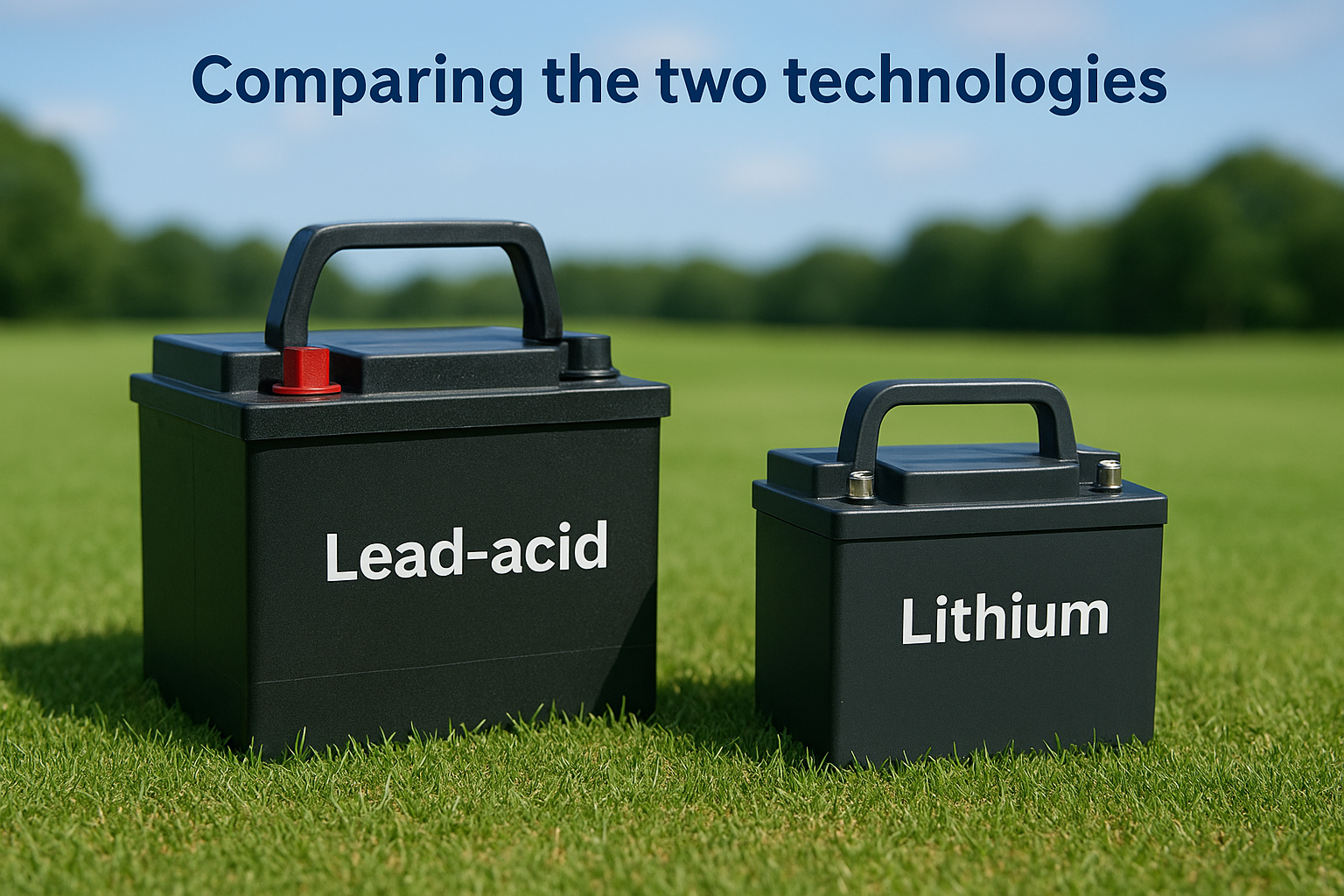
| Factor | Lead-acid | Lithium |
|---|---|---|
| Weight | 6-8kg | 2-3kg |
| Lifespan | 2-3 years | 5+ years |
| Cold performance | Reduced capacity | Stable |
| Upfront cost | Lower | Higher |
If you play weekly and keep your trolley for years, lithium pays for itself.
Occasional golfers who play once a month rarely see enough use to justify the extra spend, so a quality lead-acid battery remains a sensible, budget-friendly choice for that pattern of play.
How to charge and maintain your battery for longer life
Getting the most from any battery for golf trolleys comes down to charging habits, not luck. Charge after every round rather than waiting until the indicator flashes empty, since deep discharges wear down both lead-acid and lithium cells faster than regular top-ups. Storing your battery correctly between rounds matters just as much as charging it; a garage that swings between freezing and warm temperatures shortens lifespan on either battery type.
Little and often beats letting the charge run to zero every time.
Simple habits that add years to your battery
Here's what actually extends the life of your battery for electric golf trolley:
- Charge within 24 hours of playing, never leave it flat overnight
- Store at room temperature, away from damp sheds or hot cars
- Top up lithium batteries to 100% before long storage gaps
- Avoid fully draining lead-acid units repeatedly, it damages the plates
- Check connector pins for corrosion every few months
Lithium units generally forgive occasional lapses better than lead-acid, but neither likes sitting flat for weeks. Building these five habits into your routine costs nothing and adds real seasons to your battery's working life, saving you the cost of an early replacement.
UK prices and where to buy a replacement battery
Pricing for electric golf trolley batteries uk wide varies more than most golfers expect, and knowing the going rate stops you overpaying or getting caught out by a suspiciously cheap listing. Budget lead-acid units start around £40-£60, while branded lithium packs typically run £150-£300 depending on capacity and warranty length.
Pay for the amp hours and warranty, not just the brand name on the box.
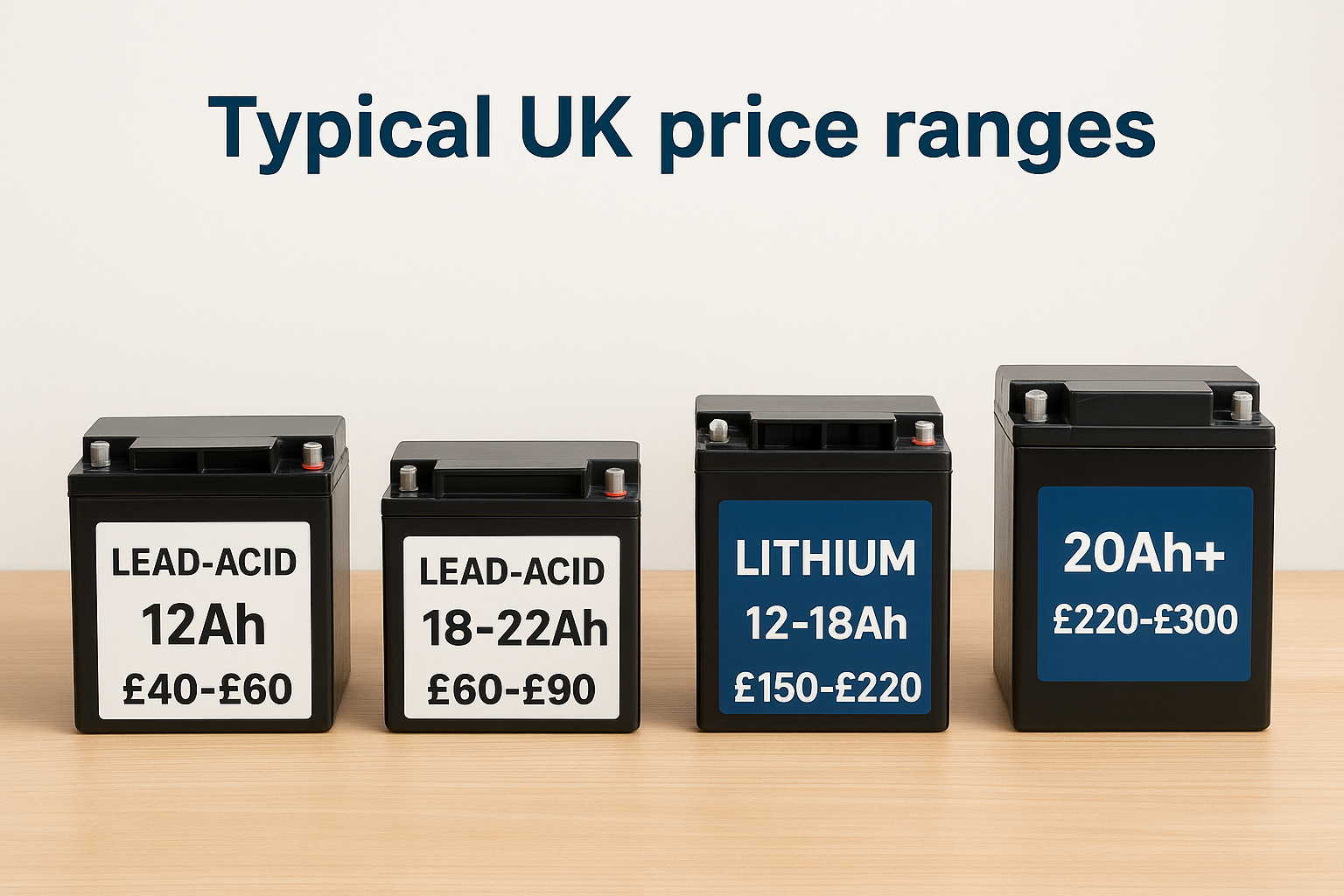
Typical UK price ranges
| Battery type | Capacity | Typical price |
|---|---|---|
| Lead-acid | 12Ah | £40-£60 |
| Lead-acid | 18-22Ah | £60-£90 |
| Lithium | 12-18Ah | £150-£220 |
| Lithium | 20Ah+ | £220-£300 |
Quality matters more than the sticker price here, so treat rock-bottom listings with suspicion.
Where to shop with confidence
Retailers stocking lithium batteries for sale for golf trolleys should list voltage, amp hours, connector type, and warranty terms upfront, not bury them in a product description you need to request separately. MoreSports' golf trolley battery range covers both lead-acid and lithium options with clear specifications, UK-wide delivery, and 90-day returns, so you can order the right fit without guessing twice.
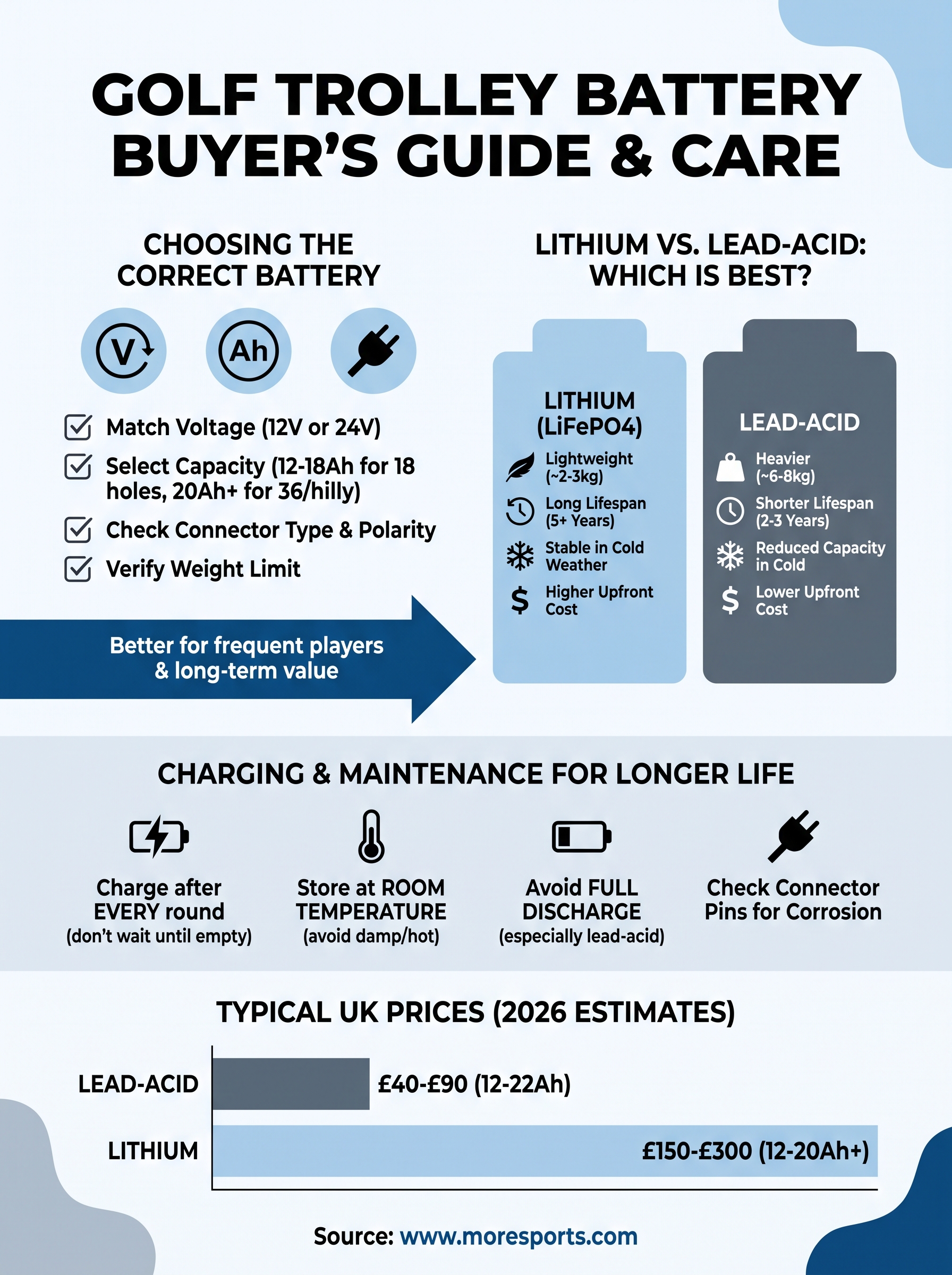
Powering every round with confidence
A dead trolley battery ruins more rounds than bad weather ever does, so treat this purchase as seriously as you'd treat new grips or shoes. Match voltage, amp hours, and connector before you buy, then decide between lead-acid and lithium based on how often you actually play and how long you plan to keep your trolley. Charge little and often, store your battery somewhere dry and temperature-stable, and check connector pins for corrosion a few times a season.
Getting these basics right means your golf trolley batteries quietly do their job for years instead of becoming an annual replacement chore. You'll walk off the eighteenth with charge to spare rather than dragging your bag up the fairway wondering where it went wrong.
When you're ready to replace yours, take a look at the CaddyCell universal 12V LiFePO4 golf trolley battery for clear specifications, UK delivery, and 90-day returns if the fit isn't quite right.