 No Duties or Customs Fees For EU & UK Customers
 Express Tracked UK Delivery On 1000s of Items
 90 Day Returns

Blade vs Cavity Back Irons: How to Choose the Right Set
R YThe blade vs cavity back irons debate shapes every golfer's equipment choices. Blade irons feature a compact, solid clubhead with weight concentrated behind the hitting area. Cavity back irons have a hollowed-out rear design that redistributes weight around the perimeter. This fundamental construction difference affects how each iron performs when you strike the ball, especially on off-centre hits. Your choice between these two designs directly influences your accuracy, distance, and shot consistency on the course.
This guide breaks down everything you need to know about blades and cavity backs. You'll learn how each iron type affects your scores, understand the key design differences that matter, and discover which option suits your current skill level. We'll also explore when mixing both types in your bag makes sense. By the end, you'll have a clear framework for choosing irons that match your game rather than following outdated advice about what you "should" play.
Why your iron choice matters to your scores
Your iron choice directly determines how many strokes you lose on mishit shots during each round. The blade vs cavity back irons decision affects your scores through forgiveness, which describes how well a club maintains distance and accuracy when you don't strike the ball perfectly. Most golfers miss the centre of the clubface on 60-70% of their iron shots, making this difference significant. A cavity back iron that travels 10 yards further and lands 5 yards straighter on a mishit can save you 3-5 strokes per round compared to a blade.

How forgiveness affects your scorecard
Cavity back irons maintain ball speed better on off-centre strikes because their perimeter weighting stabilises the clubhead through impact. When you hit a 7-iron thin or towards the toe, a cavity back might still reach the green whilst a blade leaves you short in a bunker. This difference multiplies across your round, particularly on approach shots from 120-160 yards where precise distance matters most.
Choosing the wrong iron type for your skill level can cost you more strokes than any other equipment decision.
Confidence at address also improves with the right iron type. Players who switch to irons matching their ability typically see better ball-striking and lower scores within a few rounds.
How to choose between blades and cavity backs
Your decision between blade vs cavity back irons should start with an honest assessment of your current ball-striking ability rather than the irons you aspire to play. Focus on three measurable factors: your handicap, how often you strike the centre of the clubface, and whether you prioritise control or forgiveness. Players with handicaps above 12-15 typically benefit more from cavity backs, whilst single-digit handicappers can consider blades if their ball-striking justifies it.
Assess your ball-striking consistency
Track where you contact the clubface during your next three practice sessions using impact tape or foot spray. Count how many strikes land within the centre quarter of the face versus the toe, heel, or thin/fat areas. If fewer than 40% of your strikes hit the sweet spot consistently, cavity backs will deliver better results. Your contact pattern reveals more about the right iron choice than your handicap alone.
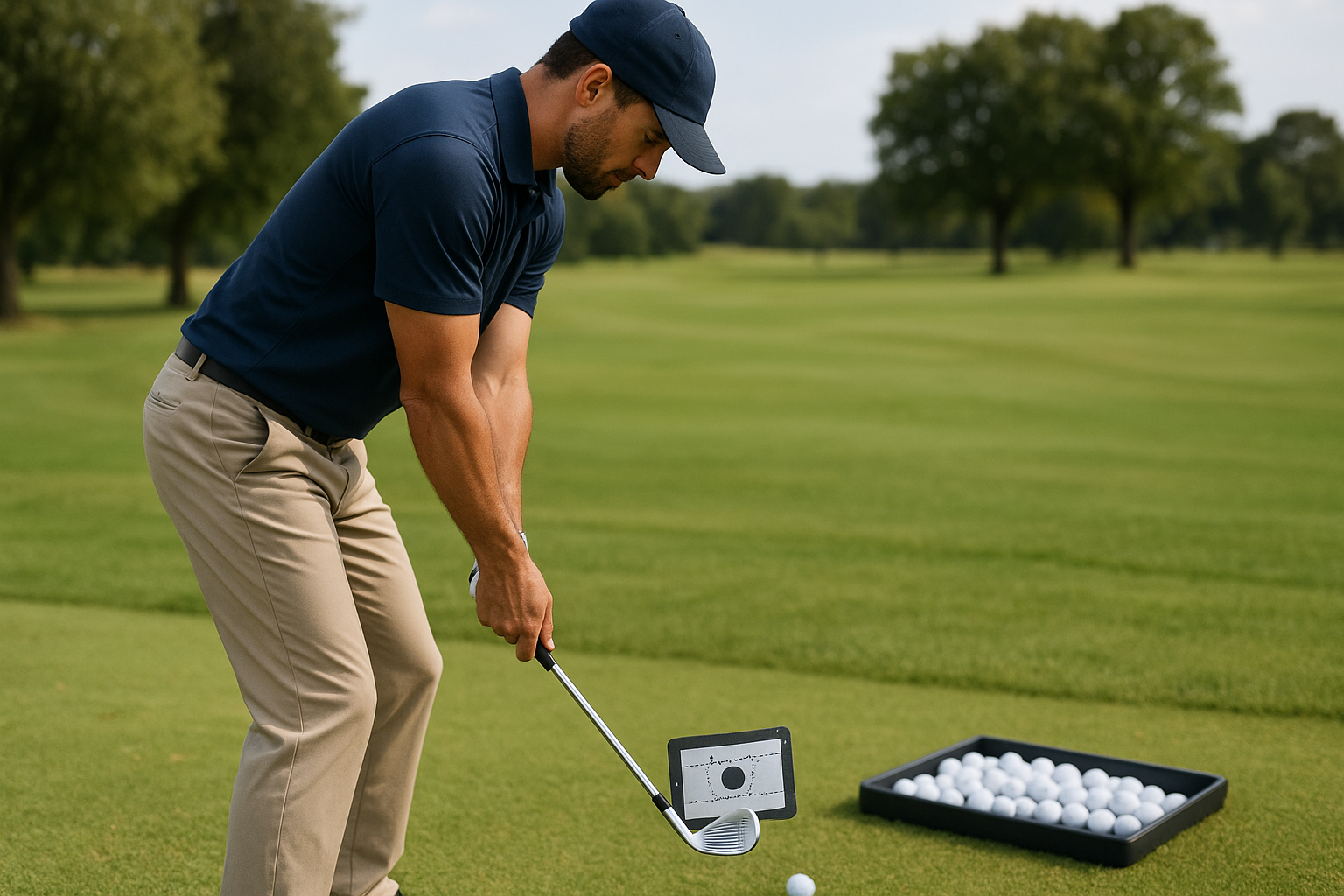
Players who struggle with consistent contact lose significant distance with blades because mishits travel 15-25 yards shorter than centre strikes. Cavity backs reduce this penalty to 5-12 yards, keeping more of your approach shots on target.
Consider your handicap and experience level
Single-digit handicappers with 3+ years of regular play have developed the swing consistency needed to benefit from blade feedback. Mid-handicappers between 10-18 perform better with cavity backs that maintain ball speed across the face. High-handicappers above 18 should always choose cavity backs to maximise their scoring potential.
Your handicap provides a starting guideline, but your actual ball-striking patterns matter more than the number alone.
Test both types before buying
Book a proper fitting session where you can hit both blade and cavity back options with a launch monitor. Compare your dispersion patterns and average distances on mishits rather than your best strikes. The iron that delivers tighter groupings and maintains distance on off-centre contact is your correct choice.
Blade and cavity back design differences explained
The blade vs cavity back irons distinction begins with how manufacturers construct the clubhead. Blade irons use a forging process that creates a solid, one-piece design with weight concentrated directly behind the hitting surface. Cavity back irons remove material from the rear of the clubhead and redistribute that weight around the perimeter edges. This hollow cavity creates the fundamental performance gap between the two designs.
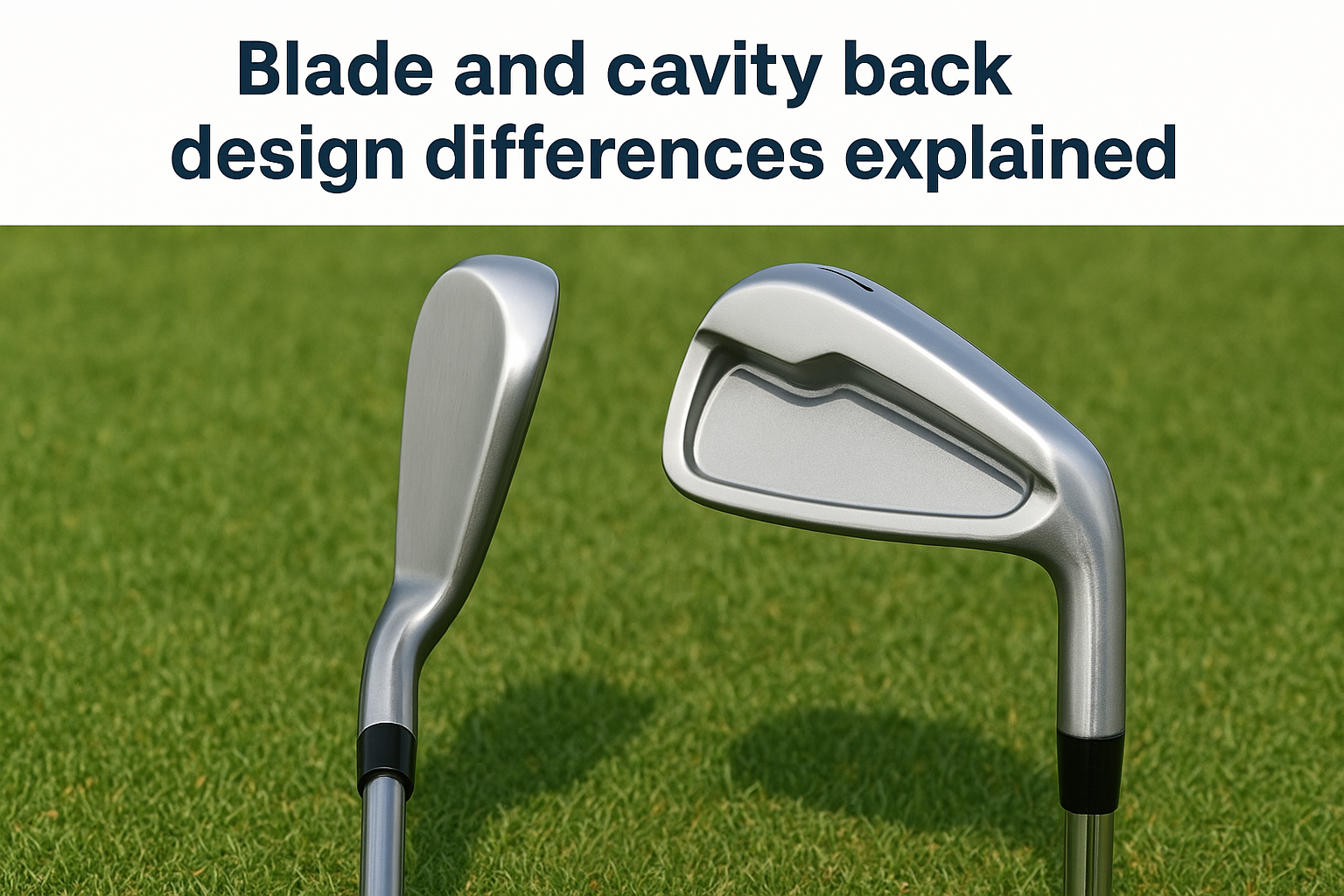
Blade irons feature a thin topline and narrow sole that appeals to skilled players seeking a traditional appearance at address. The compact head measures roughly 25-30% smaller than cavity backs, giving you less visual confidence but more precision for shaping shots. Cavity backs display a thicker topline and wider sole with the distinctive hollow rear visible when you flip the club over.
The construction method that determines performance
Forged blades start as a single piece of soft carbon steel that's heated and shaped through multiple hammer strikes. This method produces exceptional feel and feedback through your hands at impact. Cast cavity backs use molten metal poured into moulds, allowing manufacturers to create complex internal structures that wouldn't work with forging. Modern casting technology delivers consistent quality whilst enabling the perimeter weighting that defines cavity back performance.
The construction method directly determines how your iron responds to mishits and where you feel the impact through your grip.
Weight distribution and sweet spot size
Blades concentrate 60-70% of clubhead weight within a small area behind the centre of the face. This tight weight distribution creates a sweet spot roughly 15-20mm in diameter. Cavity backs spread weight towards the toe, heel, and bottom edges, expanding the effective sweet spot to 25-35mm. Your off-centre strikes twist blade faces more severely, whilst cavity backs resist rotation and maintain ball speed across a larger area.
Blade and cavity back pros and cons
Understanding the blade vs cavity back irons advantages and drawbacks helps you match equipment to your playing style. Each design delivers distinct performance characteristics that benefit specific player types. Blades reward consistent ball-striking with superior feedback and shot control, whilst cavity backs prioritise forgiveness and distance on mishits. Your choice depends on whether you value precision over consistency or need maximum help from your equipment.
Blade iron advantages and limitations
Blades give you exceptional feel through impact, letting you sense exactly where the ball contacted the face. This feedback helps skilled players refine their swing and shape shots with precision. You'll generate lower ball flights that pierce through wind and land softer on firm greens. The compact head also gives you versatility around obstacles like overhanging branches.
Blade irons demand consistent centre contact to deliver their promised performance benefits.
However, blades punish off-centre strikes severely. You'll lose 20-30 yards on toe or heel hits compared to pure strikes. The narrow sole digs into soft turf more easily, making fat shots particularly costly.
Cavity back iron advantages and limitations
Cavity backs maintain ball speed across the entire face, reducing your distance loss on mishits to just 8-15 yards. The perimeter weighting stabilises the clubhead through impact, keeping your shots straighter even when you miss the centre. You'll launch the ball higher with less effort, helping you stop approach shots quickly on greens.
These irons sacrifice some shot-shaping ability because the larger head resists manipulation during your swing. You'll also receive less feedback about strike quality, which can slow improvement if you're working on your ball-striking.
When to mix blades and cavity backs in one set
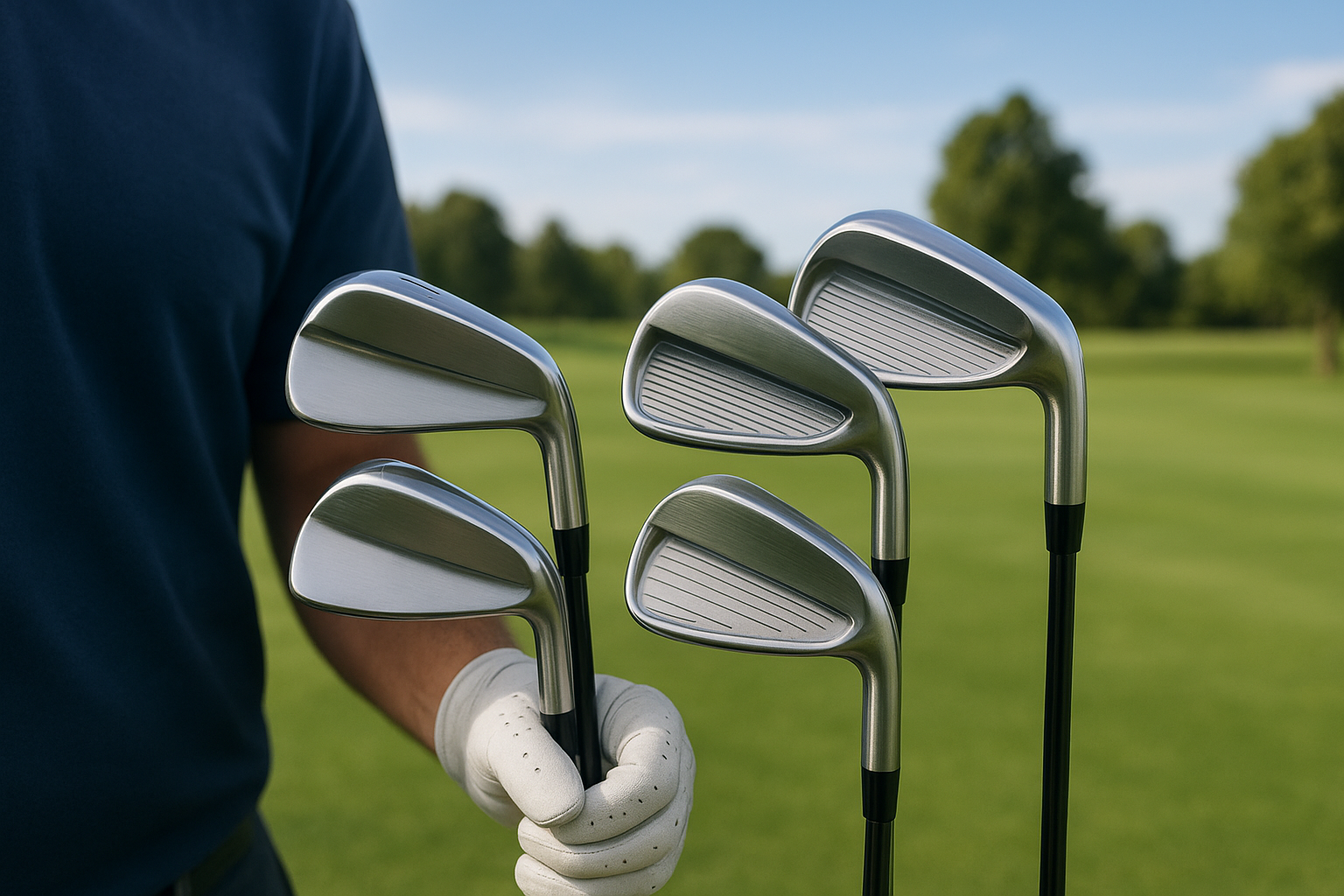
Many skilled golfers combine both iron types to balance control where they need it with forgiveness where it matters most. A mixed set lets you play traditional blades in your scoring clubs (8-iron through wedges) whilst using cavity backs in your long irons (3-iron through 7-iron). This approach gives you precise feedback on approach shots whilst maintaining distance and accuracy on longer strikes. Players between 5-12 handicaps benefit most from mixed sets because they strike their shorter irons consistently but need help with longer clubs.
Which clubs to play as blades
Start with your pitching wedge through 9-iron as blades if you hit these clubs solidly on 70% or more of your strikes. These scoring distances require shot-shaping ability and precise distance control that blades deliver. Your gap, sand, and lob wedges can also be blades since you use them for partial swings and finesse shots around greens.
Mixed sets let you match each iron to its specific role rather than forcing one design throughout your bag.
Switch to cavity backs from your 8-iron or 7-iron upwards based on your ball-striking data. Long irons benefit from the higher launch and forgiveness that cavity backs provide. Testing this blade vs cavity back irons combination during a fitting reveals your ideal transition point.
Next steps for your iron upgrade
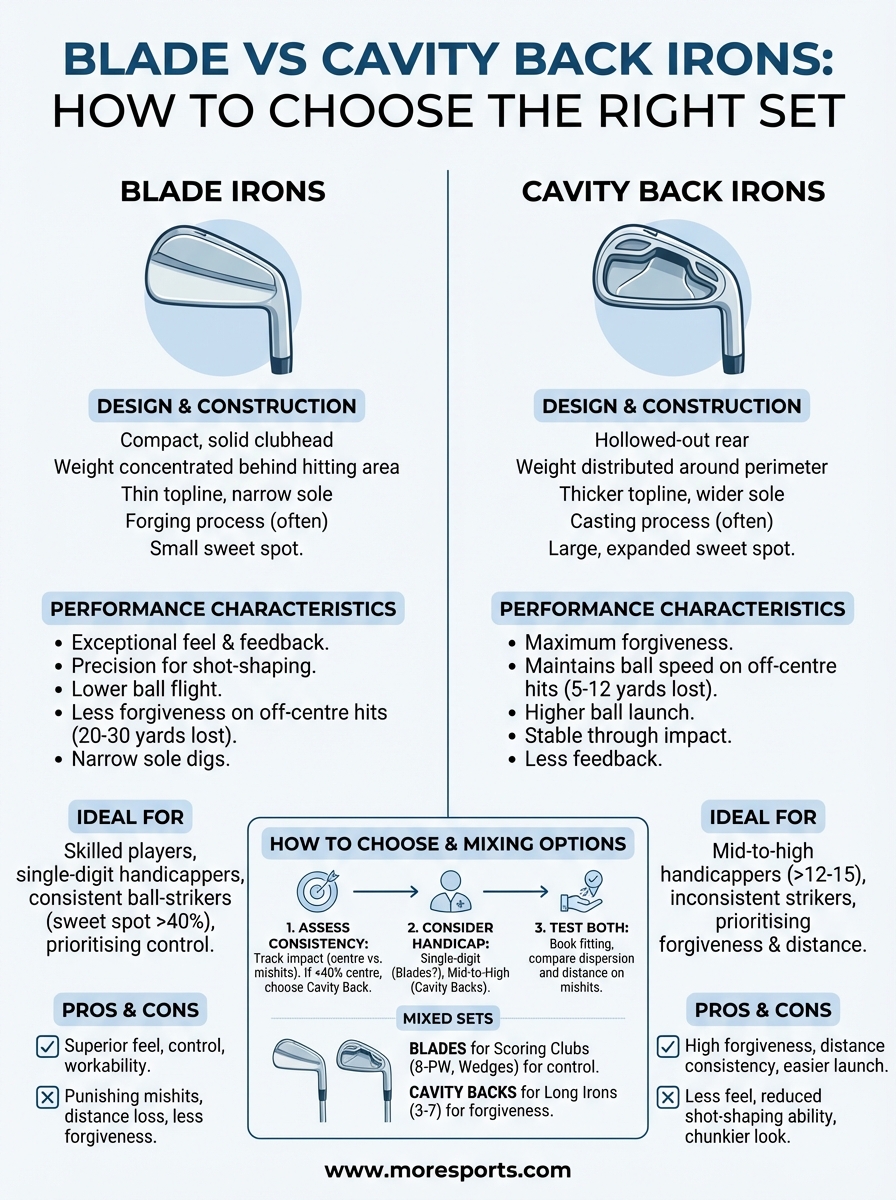
Your blade vs cavity back irons decision should start with an honest assessment at a fitting session where you can compare both types with a launch monitor. Book time with a qualified fitter who will track your strike patterns and ball flight across multiple swings rather than just your best shots. Bring your current irons to establish baseline data and test at least three cavity back models and two blade options if your handicap justifies it.
Once you've identified the right iron type, explore the full range of golf equipment at More Sports to complete your upgrade. Replace your irons gradually if budget matters, starting with your most-used clubs (7-iron through pitching wedge) before moving to long irons. Track your scores over ten rounds with new irons to measure actual performance improvements rather than relying on feel alone.