 No Duties or Customs Fees For EU & UK Customers
 Express Tracked UK Delivery On 1000s of Items
 90 Day Returns

Golf Equipment Buying Guide: Choose the Best Kit for You
BLGSearching for the right golf equipment can feel confusing when you want quality without overspending. For many British golfers, finding clubs that match your unique style and skill level is more important than picking the priciest set. By taking a closer look at your abilities and comfort on the course, you can choose gear that truly supports your performance. Expect straightforward tips to help you focus on playing style and requirements while keeping your budget in check.
Table of Contents
- Step 1: Assess Your Playing Style and Requirements
- Step 2: Set a Realistic Budget for Your Equipment
- Step 3: Compare Clubs, Balls and Essential Accessories
- Step 4: Evaluate Brands and Read Customer Reviews
- Step 5: Verify Fit, Comfort and Store Policies
Quick Summary
| Key Insight | Explanation |
|---|---|
| 1. Assess Your Playing Style | Understand swing speed, handicap, and strengths to select suitable equipment. Personalised recommendations improve performance. |
| 2. Set a Realistic Budget | Allocate funds wisely for essential clubs and accessories, balancing quality and affordability to manage financial resources. |
| 3. Compare Equipment Thoroughly | Evaluate clubs, balls, and accessories based on performance and suitability for your skill level, ensuring a better fit for your game. |
| 4. Read Authentic Reviews | Seek detailed, trustworthy customer feedback from multiple sources to guide informed purchasing decisions on brands and equipment. |
| 5. Verify Fit and Comfort | Test clubs and grips to ensure they match your physical attributes and swing mechanics, enhancing overall performance on the course. |
Step 1: Assess Your Playing Style and Requirements
Successfully selecting golf equipment begins with understanding your individual playing style and skill level. By carefully evaluating your current golfing abilities, you can make informed decisions about the most suitable clubs and accessories for your game.
Golf equipment selection requires a nuanced approach that considers multiple factors. Golfers must analyse their playing characteristics including swing speed, handicap level, typical course conditions, and personal strengths. Specific considerations include:
- Skill Level: Beginner, intermediate, or advanced player
- Playing Frequency: Casual weekend golfer or serious competitive player
- Physical Attributes: Height, strength, and flexibility
- Swing Mechanics: Natural swing speed and typical ball trajectory
Professional golfers and equipment specialists recommend starting with a detailed self-assessment. This involves tracking your performance across different shot types and understanding where your game needs improvement. Consider working with a local golf professional who can provide personalised equipment recommendations based on a comprehensive swing analysis.
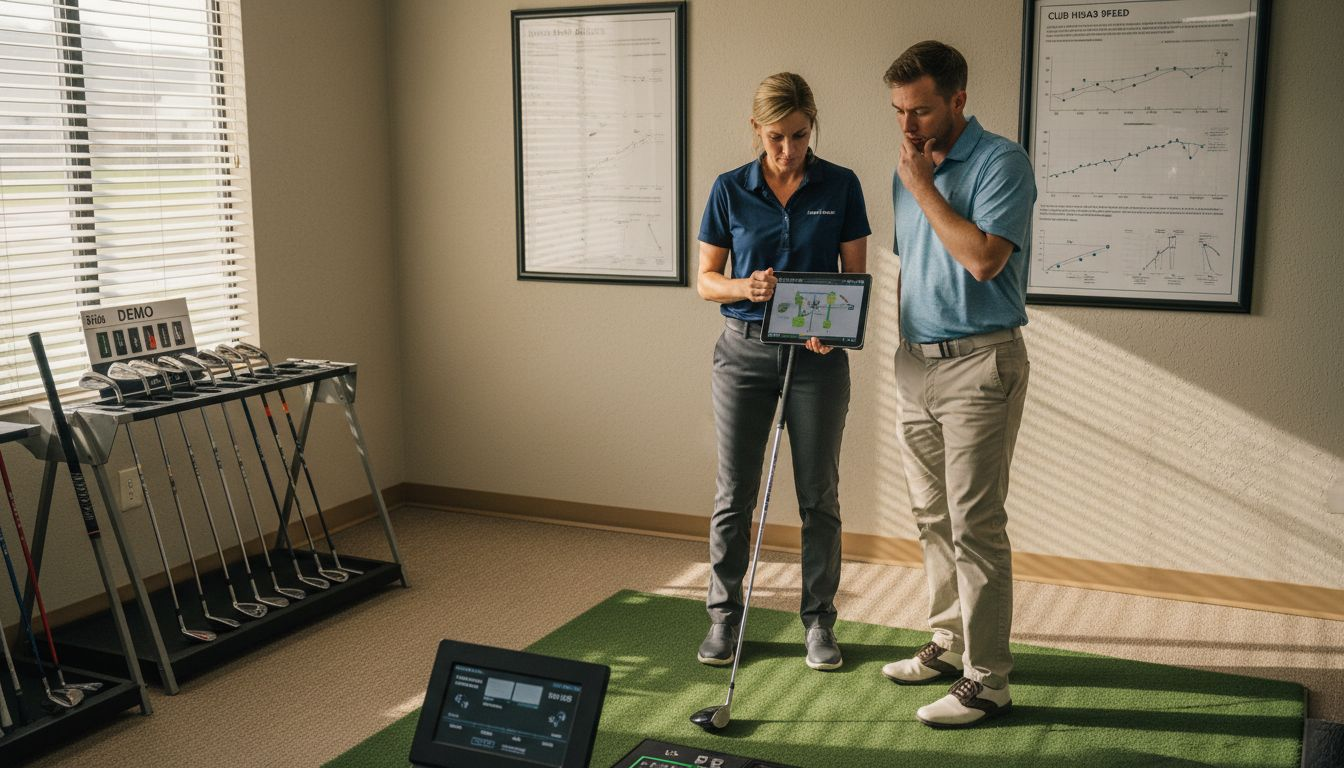
Here’s a summary comparing equipment needs for golfers of different skill levels:
| Player Level | Club Type Focus | Ball Selection Priority | Best Accessories |
|---|---|---|---|
| Beginner | Forgiving irons, hybrid clubs | Multi-layer balls for control | Grip aids, basic gloves |
| Intermediate | Mix of woods and irons | Mid-compression balls for distance | Swing analysers, rangefinders |
| Advanced | Custom-fitted irons, specialist woods | High-spin balls for precision | Premium gloves, GPS devices |
Knowing your playing style is more important than having the most expensive clubs.
Pro tip: Book a professional club fitting session to receive personalised recommendations tailored precisely to your unique golfing profile.
Step 2: Set a Realistic Budget for Your Equipment
Budgeting for golf equipment is a critical step that ensures you invest wisely without straining your finances. Effective budget management allows you to balance your passion for golf with financial responsibility.
To create a realistic golf equipment budget, consider the following strategic approach:
- Initial Investment: Determine your total available funds
- Equipment Priority: Rank clubs from most to least essential
- Quality vs Cost: Balance performance with affordability
- Long-term Perspective: Consider durability and potential resale value
Break down your budget into specific categories. New golfers might allocate funds differently compared to experienced players. Typically, you’ll want to invest more in core items like drivers and irons, while being more economical with accessories. Budget planning techniques suggest allocating approximately 60-70% of your budget to primary clubs, with the remainder for additional gear.
Your budget should reflect your commitment level, not drain your financial resources.
Pro tip: Consider purchasing high-quality second-hand clubs from reputable sellers to maximise your budget without compromising performance.
Step 3: Compare Clubs, Balls and Essential Accessories
Comparing golf equipment requires a strategic approach to ensure you select the most suitable gear for your playing style. Golf equipment classifications encompass a wide range of clubs, balls, and accessories that can significantly impact your performance.
When comparing golf equipment, focus on these critical aspects:
- Clubs: Evaluate different types including woods, irons, hybrids, and putters
- Balls: Assess construction, compression, and spin characteristics
- Accessories: Consider essential items like gloves, tees, and rangefinders
Club specifications from official regulations provide crucial insights into what makes equipment high-quality. Professional golfers recommend comparing equipment based on your skill level, with beginner players typically benefiting from more forgiving clubs and multi-layer balls that offer improved control.
Not all expensive equipment guarantees better performance. Matching gear to your specific needs matters most.
Pro tip: Test multiple club types and ball models at a local golf centre before making your final purchase to understand how they truly perform for your unique playing style.
Step 4: Evaluate Brands and Read Customer Reviews
Navigating the world of golf equipment brands requires a strategic approach to ensure you make an informed purchasing decision. Online product reviews significantly influence consumer purchasing choices, making review analysis crucial for selecting the right golf gear.
When evaluating brands and customer reviews, focus on these critical strategies:
- Source Verification: Check review authenticity and credibility
- Comprehensive Research: Read reviews across multiple platforms
- Performance Insights: Look for detailed, specific feedback
- Pattern Recognition: Identify consistent themes in customer experiences
Critical review evaluation techniques help golfers distinguish between genuine insights and potentially manipulated content. Pay special attention to reviews that provide specific details about equipment performance, durability, and real-world usage rather than generic praise or criticism.
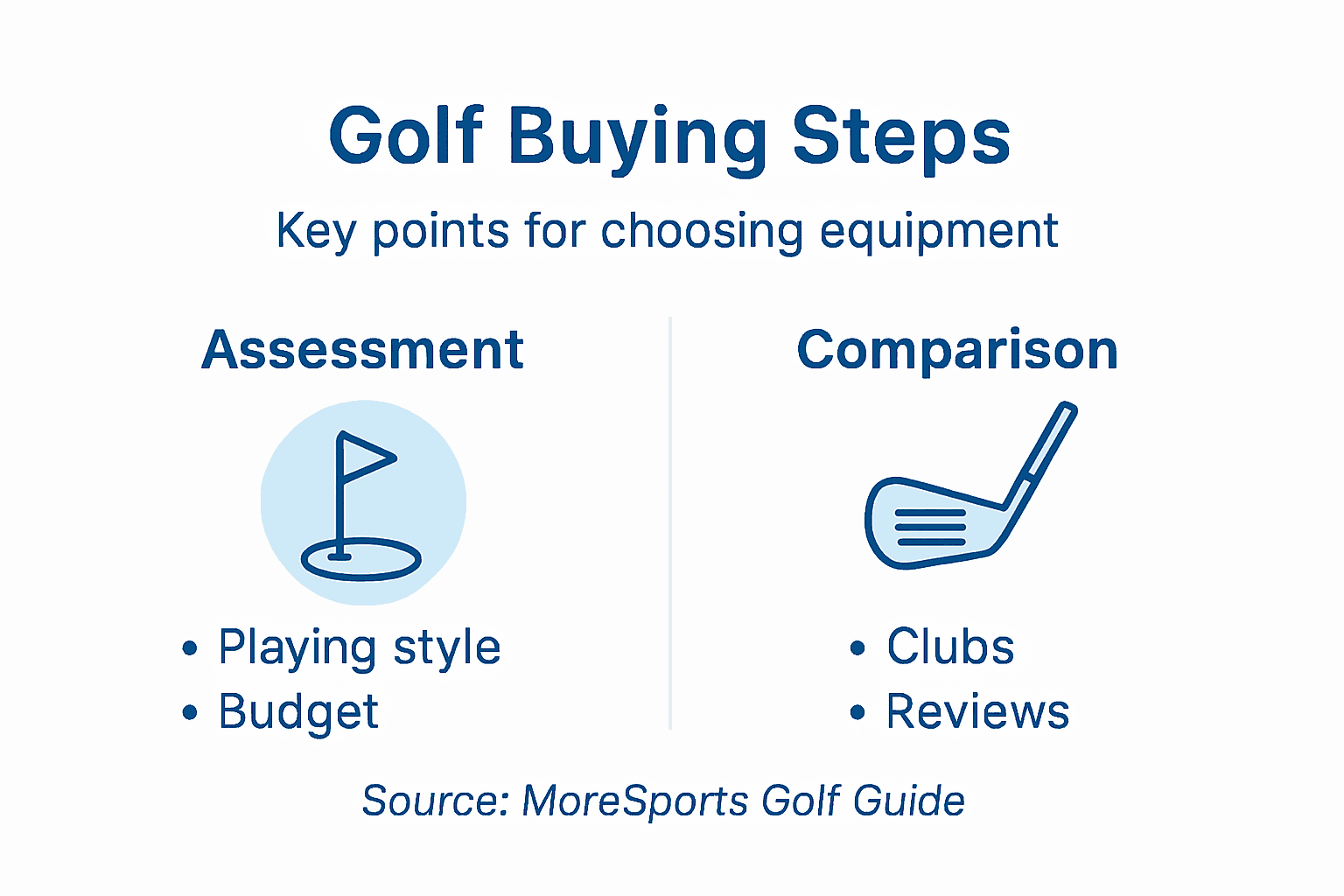
This table outlines factors to consider when comparing popular golf equipment brands:
| Brand Reputation | Equipment Innovation | Price Range | User Review Quality |
|---|---|---|---|
| Established brands | Regular technology upgrades | Premium to mid-range | Verified, in-depth feedback |
| Up-and-coming brands | Occasional new features | Budget friendly | Mixed, often limited detail |
| Discount brands | Basic designs, few updates | Low cost | Sparse or generic reviews |
Not all reviews are created equal. Seek out balanced, detailed feedback from verified purchasers.
Pro tip: Cross-reference reviews from professional golf equipment forums, retailer websites, and independent review platforms to get a comprehensive understanding of brand reputation and product quality.
Step 5: Verify Fit, Comfort and Store Policies
Choosing the right golf equipment goes beyond just selecting brands and styles – it’s about finding gear that feels like an extension of your playing technique. Golf equipment guidelines emphasise the critical importance of ensuring proper fit and individual comfort.
When verifying equipment fit and comfort, consider these essential aspects:
- Physical Dimensions: Match clubs to your height and arm length
- Grip Comfort: Test different grip sizes and materials
- Swing Mechanics: Ensure equipment complements your natural playing style
- Store Return Policy: Understand exchange and trial period terms
Supporting golfers’ equipment selection requires careful assessment of both physical comfort and practical purchasing conditions. Professional fitters recommend trying multiple options, taking practice swings, and carefully examining how each piece of equipment feels during actual use.
Comfort and fit are more important than brand prestige or price tag.
Pro tip: Schedule a professional fitting session where you can test multiple equipment configurations and receive expert guidance on selecting the most suitable gear for your individual playing characteristics.
Find Your Perfect Golf Kit with MoreSports Today
Choosing the right golf equipment can feel overwhelming with so many options affecting your performance and comfort. This guide highlights key challenges like understanding your playing style, setting a realistic budget, and ensuring equipment fit and comfort. If you want to avoid costly mistakes and feel confidently equipped on the course, MoreSports offers a wide selection of high-quality golf gear tailored to all skill levels and budgets.
Explore premium brands and trusted accessories designed for comfort and performance at MoreSports Golf Collection. Benefit now from competitive prices, free UK delivery on orders over £25, and flexible 90-day returns to find clubs, balls and accessories that truly match your playing style. Visit MoreSports and take the first step towards elevating your game with golf equipment that fits you perfectly.
Frequently Asked Questions
How do I assess my playing style before buying golf equipment?
To assess your playing style, evaluate your skill level, playing frequency, and swing mechanics. Track your performance across different shot types to identify areas for improvement, then consider consulting a local golf professional for personalised recommendations.
What budget should I set for purchasing golf equipment?
Set a budget by determining your total available funds and ranking the essential equipment items. Aim to allocate around 60-70% of your budget to primary clubs, such as drivers and irons, while keeping the rest for accessories.
What should I consider when comparing different golf clubs?
When comparing golf clubs, focus on the type of club, its construction, and how it aligns with your playing style. Test multiple options at a local golf facility to understand which clubs help you perform best for your unique swing.
How can I evaluate customer reviews when choosing golf equipment?
Evaluate customer reviews by checking for authenticity, reading detailed feedback across multiple platforms, and identifying consistent themes in experiences. Focus on reviews that provide specific insights regarding performance and durability.
Why is the fit and comfort of golf equipment important?
The fit and comfort of golf equipment are crucial as they directly impact your performance and enjoyment of the game. Always test clubs for physical dimensions, grip comfort, and how well they complement your swing before finalising your purchase.
Recommended
- Best Golf Balls for Distance 2026: 14 Longest Picks Ranked – More Sports
- Best Golf Drivers For Beginners 2025: UK Top Picks & Guide – More Sports
- 8 Must-Have Items for a Complete Golf Equipment Checklist – More Sports
- 12 Best Golf Balls For Beginners And High Handicappers 2026 – More Sports
- Best cycling sunglasses for men 40+