 No Duties or Customs Fees For EU & UK Customers
 Express Tracked UK Delivery On 1000s of Items
 90 Day Returns

Outdoor Gear Packing Guide for Stress-Free UK Adventures
BLGPacking for a hiking trip in the unpredictable British countryside can feel like solving a puzzle where every piece matters. Each choice impacts your comfort, safety, and enjoyment as you traverse misty moors or rugged coastal paths. With expert advice and insights rooted in real UK outdoor experiences, you will discover how to effectively pack your gear to maximise durability and convenience—ensuring nothing holds you back from adventure.
Table of Contents
- Step 1: Assess Your Adventure Requirements
- Step 2: Select Suitable And Reliable Outdoor Gear
- Step 3: Organise Items For Optimal Accessibility
- Step 4: Secure And Balance Your Packed Gear
- Step 5: Verify Readiness For Your Hiking Journey
Quick Summary
| Key Point | Explanation |
|---|---|
| 1. Assess your adventure requirements | Evaluate personal abilities, health, and environmental factors for a safe trip. |
| 2. Select suitable outdoor gear | Choose durable and weather-resistant equipment tailored to specific activities and conditions. |
| 3. Organise items for accessibility | Systematically arrange your gear to ensure quick access to essential items during the adventure. |
| 4. Balance and secure your packed gear | Properly distribute weight in your pack to enhance comfort and reduce strain while hiking. |
| 5. Verify readiness before departure | Confirm all gear, maps, and necessities are in order, minimising potential risks on your journey. |
Step 1: Assess your adventure requirements
Before venturing into any outdoor excursion, understanding your adventure requirements is crucial for ensuring a safe and enjoyable experience. This step involves carefully evaluating your personal capabilities, planned activities, and potential environmental challenges.
Starting with a comprehensive assessment means examining several key factors that will influence your trip’s success. Outdoor risk management guidance recommends considering specific elements such as your physical fitness, prior experience, medical conditions, and the specific terrain you’ll be exploring. These considerations help you determine whether your planned adventure matches your actual skill level and preparedness.
To effectively assess your adventure requirements, consider these critical aspects:
- Personal fitness and health status
- Previous outdoor experience levels
- Technical skills required for the activity
- Equipment and gear requirements
- Weather conditions and seasonal variations
- Potential environmental challenges
The goal is to create a realistic understanding of what your adventure will demand, ensuring you’re adequately prepared both mentally and physically. Outdoor education guidance emphasises balancing personal challenge with risk management, allowing you to push your boundaries safely.
Carefully documenting these assessment details will help you make informed decisions about equipment, training needs, and potential support requirements. By taking a methodical approach, you’ll transform potential uncertainties into a well-planned, exciting outdoor experience.
Expert tip: Create a detailed checklist of your adventure requirements at least two weeks before your planned trip, allowing sufficient time for preparation and potential skill enhancement.
Step 2: Select suitable and reliable outdoor gear
Selecting the right outdoor gear is fundamental to ensuring a comfortable, safe, and enjoyable adventure across the UK’s challenging landscapes. Your equipment choices can make the difference between a memorable expedition and a difficult experience.
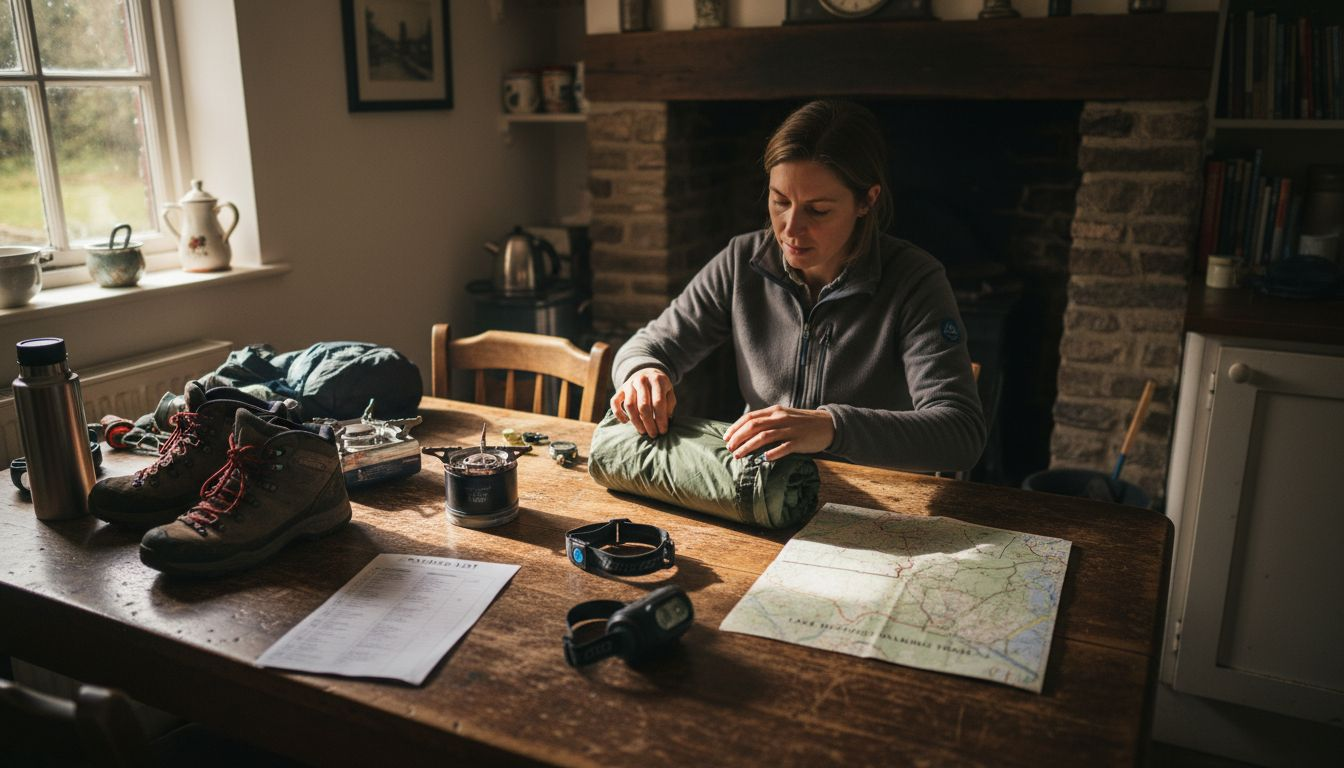
British outdoor gear expertise emphasises choosing equipment designed specifically for the unpredictable UK terrain and variable weather conditions. Understanding your specific needs and the technical requirements of your planned adventure will guide your gear selection process.
When selecting your outdoor equipment, focus on these critical elements:
- Durability and weather resistance
- Appropriate weight and portability
- Functional design for specific activities
- Comfort and ergonomic features
- Material quality and performance
- Versatility across different conditions
Prioritise gear that offers protection, adaptability, and reliability rather than simply chasing brand names or trendy designs.
Carefully evaluate each piece of equipment against your specific adventure requirements. Consider factors like terrain difficulty, expected weather conditions, duration of your trip, and your personal physical capabilities. This methodical approach ensures you’ll choose gear that supports rather than hinders your outdoor experience.
Expert tip: Test and familiarise yourself with new gear before your primary adventure to understand its functionality and identify any potential adjustments needed.
Step 3: Organise items for optimal accessibility
Effective organisation of your outdoor gear is fundamental to creating a smooth, stress-free adventure experience. Your packing strategy can significantly impact your ability to access essential items quickly and efficiently during your journey.
Outdoor accessibility principles emphasise the importance of strategic item placement and intuitive arrangement to maximise comfort and convenience. Understanding how to organise your equipment will help you respond swiftly to changing conditions and unexpected challenges.
When preparing your gear, implement these key organisational strategies:
- Group items by frequency of use
- Use colour-coded or clearly labelled storage solutions
- Pack heaviest items closest to your back
- Create dedicated zones for emergency equipment
- Ensure quick access to critical safety gear
- Maintain a logical and consistent packing system
Prioritise accessibility over aesthetics - your organisational approach should prioritise functionality and ease of retrieval.
Consider your specific adventure requirements when developing your packing system. Think about the terrain you’ll encounter, potential weather changes, and the unique demands of your planned activities. A well-organised pack can mean the difference between a seamless experience and a frustrating expedition.
Expert tip: Conduct a practice pack at home to refine your organisational strategy and identify any potential improvements before your actual adventure.
Step 4: Secure and balance your packed gear
Balancing and securing your outdoor gear is crucial for maintaining comfort and preventing unnecessary strain during your adventure. Your packing technique can significantly impact your physical endurance and overall enjoyment of the journey.
Backpack weight distribution plays a fundamental role in reducing physical fatigue and maintaining proper posture on challenging UK terrains. Strategic placement of equipment ensures you can move efficiently and minimise the risk of muscle strain or potential injury.
Implement these key strategies for optimal gear balance:
- Position heavy items close to your back
- Use compression straps to stabilise load
- Distribute weight evenly between left and right sides
- Create a low centre of gravity
- Adjust hip and shoulder straps for maximum comfort
- Use internal pack dividers for additional stability
Balance is not just about weight distribution, but about creating a harmonious relationship between you and your equipment.
Carefully consider the unique challenges of your specific adventure when securing your gear. Different terrains and weather conditions in the UK demand flexible and adaptive packing approaches that can help you maintain stability and reduce physical stress.
Expert tip: Practice walking with your fully packed rucksack before your main expedition to identify and adjust any potential balance issues.
Step 5: Verify readiness for your hiking journey
Confirming your complete preparedness is the final critical step before embarking on your outdoor adventure. This comprehensive verification ensures you have everything necessary for a safe and enjoyable hiking experience across the UK’s diverse landscapes.
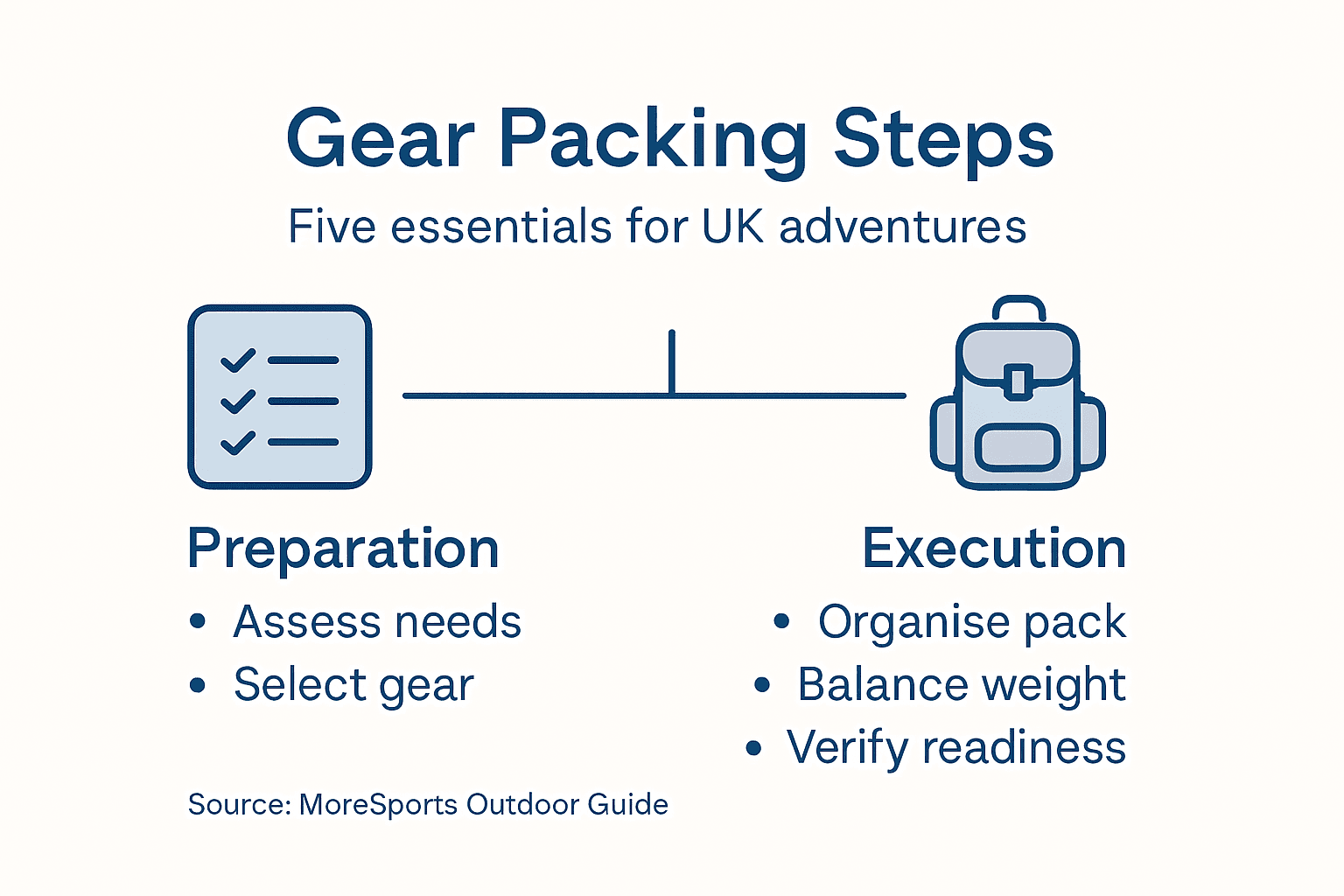
UK hiking preparation checklist emphasises the importance of systematic equipment verification and thorough pre-trip planning. By meticulously reviewing your gear, documentation, and personal readiness, you’ll significantly reduce potential risks and unexpected challenges.
Implement these essential verification strategies:
- Double-check all essential equipment
- Confirm navigation tools are functional
- Review weather forecast and route conditions
- Ensure communication devices are charged
- Validate first aid kit contents
- Verify emergency contact information
Your preparedness is the most critical piece of equipment you’ll carry on any hiking journey.
Carefully examine each aspect of your preparation, considering the specific demands of your planned route. The unpredictable British terrain requires a comprehensive approach to readiness that goes beyond simply packing equipment.
Expert tip: Create a digital and physical backup of your route plan, and share detailed trip information with a trusted contact before departing.
Compare common packing mistakes and their solutions below:
| Common Packing Mistake | Consequence | Effective Solution |
|---|---|---|
| Overpacking | Increased fatigue | Prioritise essentials only |
| Poor weight balance | Muscle strain, discomfort | Evenly distribute load |
| Hard-to-access items | Slow emergency response | Use logical organisation |
| Ignoring weather | Unsuitable gear issues | Always check forecasts |
Here is a summary of steps and their main objectives:
| Step | Objective | Key Outcome |
|---|---|---|
| 1. Assess requirements | Identify skills and needs | Confident and safe planning |
| 2. Gear selection | Choose suitable equipment | Reliable, weatherproof kit |
| 3. Organise items | Maximise accessibility | Fast, efficient retrieval |
| 4. Secure and balance | Distribute pack weight | Comfort and injury prevention |
| 5. Verify readiness | Ensure full preparation | Reduced risks, peace of mind |
Gear Up for Your Next UK Adventure with Confidence
Planning your outdoor trip involves much more than just packing a bag. As highlighted in the “Outdoor Gear Packing Guide for Stress-Free UK Adventures,” careful assessment of your personal needs, selecting reliable weatherproof gear, and organising your equipment for easy access are essential steps to conquer the unpredictable UK terrain safely. Avoid common pitfalls like poor weight distribution or unsuitable gear which can turn your exciting hike into an uncomfortable struggle.
Explore a wide range of specialised hiking and outdoor equipment at MoreSports where quality meets competitive pricing. Benefit from trusted brands such as FootJoy and Berghaus to ensure your kit matches the durability and comfort you need. With free UK delivery on orders over £25 and flexible returns, now is the perfect time to prepare meticulously for your next adventure. Visit MoreSports online today and take the first step towards a stress-free and well-prepared outdoor experience. Your perfect gear is just a click away.
Frequently Asked Questions
How do I assess my adventure requirements for outdoor gear packing?
Before packing your gear, evaluate your personal capabilities, planned activities, and potential environmental challenges. Create a checklist that considers your fitness level, previous experiences, and the specific terrain you will encounter.
What features should I look for when selecting outdoor gear?
When choosing outdoor gear, prioritise durability, weather resistance, and comfort. Ensure that the equipment is designed for the activities you plan to undertake and is suitable for the varying conditions you might face.
How can I organise my outdoor gear for optimal accessibility?
Group your items by how often you will use them, and pack heavier items close to your back for better balance. Use colour-coded storage solutions or labels to make it easier to find essential items quickly during your adventure.
What is the best way to balance my backpack for a hiking trip?
To achieve optimal balance, position heavy items close to your back and distribute weight evenly. Adjust the straps and compression features to stabilise your load and create a low centre of gravity.
What should I include in my final verification of readiness before the hike?
Conduct a thorough check of all essential equipment, confirming that navigation tools are functional and your first aid kit is complete. Review your route and weather conditions to ensure you have everything necessary for a safe and enjoyable adventure.
How can I avoid common packing mistakes when preparing for outdoor adventures?
To prevent overpacking, focus on bringing only essential items. Ensure proper weight distribution and organise your gear for easy access to reduce the risk of discomfort and slow emergency responses during your trip.