 No Duties or Customs Fees For EU & UK Customers
 Free UK Delivery On Orders Over £25
 90 Day Returns

Technical Hiking Gear: Enhancing UK Outdoor Adventures
BLGBold claims and confusing jargon surround technical hiking gear, making it seem exclusive or excessive for those exploring the British countryside. Yet for UK hikers facing unpredictable rain, rugged Scottish peaks, or long days on the Lake District trails, reliable equipment is not just desirable, it’s essential. By demystifying technical hiking gear and highlighting advanced equipment specifically engineered for performance, durability, and safety across challenging conditions and diverse terrains, this guide helps you make informed choices that truly enhance your outdoor experience.
Table of Contents
- Technical Hiking Gear Defined and Debunked
- Essential Types of Technical Hiking Apparel
- Key Features: Materials, Weight, and Design
- Ensuring Performance in UK Weather and Terrain
- Common Pitfalls When Choosing Hiking Gear
Key Takeaways
| Point | Details |
|---|---|
| Understanding Technical Gear | Technical hiking gear is designed for performance and safety in challenging environments. Make informed selections based on specific hiking needs rather than brand prestige. |
| Layering System Importance | A proper layering system includes a moisture-wicking base layer, an insulating mid layer, and a weather-resistant outer shell. Each layer plays a crucial role in ensuring comfort and protection. |
| Material Awareness | Understanding the materials in your gear is essential for ensuring both performance and health safety. Look for breathable and waterproof fabrics tailored for UK conditions. |
| Avoiding Common Pitfalls | Avoid common mistakes by prioritising fit and function over trends and price. Always verify compatibility of gear items and their suitability for the specific conditions you’ll encounter. |
Technical Hiking Gear Defined and Debunked
Technical hiking gear is often wrapped in mystique. You’ve probably heard it’s expensive, complicated, or unnecessary for casual walks through the British countryside. The reality is far more straightforward. Technical hiking gear comprises advanced equipment specifically engineered for performance, durability, and safety across challenging conditions and diverse terrains. This isn’t about having top-of-the-line everything for a gentle stroll on the South Downs. Rather, it’s about understanding what gear actually does and matching it to your specific needs.
When you strip away the marketing language, technical gear serves a clear purpose: it responds to environmental challenges. Rain hammers the Lake District fells with relentless intensity. Temperatures plummet on Scottish highlands. Terrain becomes uneven and demanding. This is where properly designed equipment makes a tangible difference between a miserable experience and an enjoyable adventure. The concept of essential gear isn’t new either. The Mountaineers of Seattle established the 10 Essentials, a framework still used today covering navigation, sun protection, insulation, lighting, first-aid supplies, fire-starting materials, repair kits, food, water, and emergency shelter. These fundamentals remain relevant whether you’re tackling Snowdon or exploring the Pennines.
But here’s where misconceptions creep in. Not all technical gear is created equal, and assuming all branded hiking equipment is automatically safe or necessary is a mistake. Some technical fabrics contain PFAS chemicals, substances used for water-repellent finishes that can pose health concerns. This highlights why informed selection matters more than simply buying expensive gear. Understanding what materials your gear contains helps you make choices aligned with both performance requirements and health considerations. The goal isn’t buying the most technically advanced equipment available. It’s choosing reliable, appropriately designed gear that handles the conditions you’ll actually encounter whilst meeting your personal values and needs.
Think of technical gear as a conversation between you, your environment, and the equipment manufacturers. Your needs dictate what matters. The British weather demands waterproofing and breathability. Varied elevation gains require supportive footwear. Extended daylight hiking seasons mean reliable temperature regulation. When you understand what gear does and why, you can stop chasing trends and start building a kit that genuinely enhances your outdoor experiences.
Pro tip: Before purchasing any technical hiking gear, research what materials it contains and whether it aligns with your health and environmental values, then verify it’s rated for the specific UK terrain and weather conditions you’ll encounter.
Essential Types of Technical Hiking Apparel
Your clothing choices on the trail matter more than most people realise. The right apparel keeps you warm when temperatures drop, dry when rain arrives, and comfortable during hours of physical exertion. Technical hiking apparel isn’t about fashion or brand names. It’s about layering systems designed to manage moisture, regulate temperature, and protect against wind and rain in one cohesive strategy. Understanding what each layer does helps you build a kit that actually works rather than simply buying expensive branded pieces.
The foundation starts with your base layer, the fabric closest to your skin. Merino wool base layers have become popular choices amongst UK hikers because they regulate temperature effectively, manage moisture brilliantly, and resist odour naturally. Unlike cotton, which absorbs sweat and leaves you cold and clammy, merino wool wicks moisture away from your skin whilst maintaining warmth even when damp. Your mid layer comes next, typically a fleece or synthetic insulator that traps warm air. This layer does the heavy lifting for temperature regulation, especially during winter months or high elevation hikes. Finally, your outer shell protects against the elements. Waterproof and breathable shells create a crucial barrier against rain and wind whilst allowing perspiration to escape, preventing that trapped, clammy feeling inside your jacket.
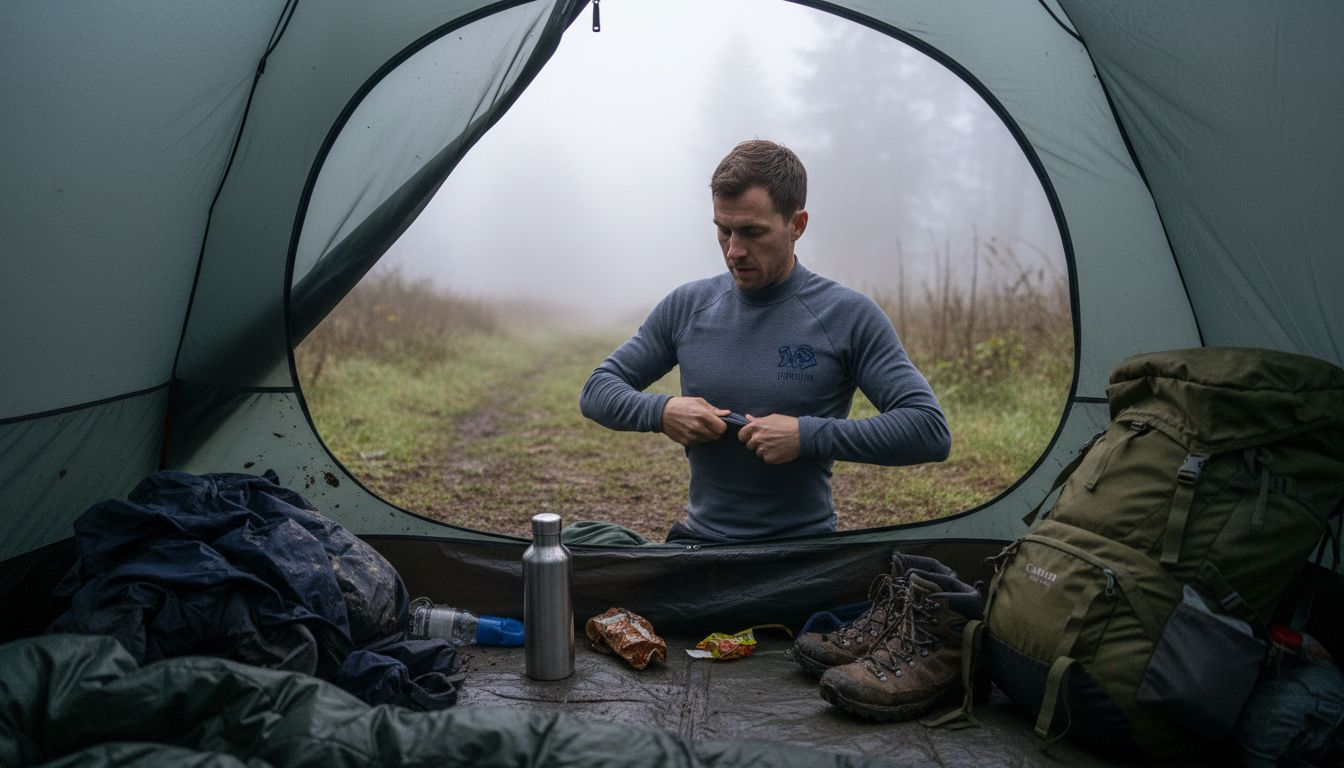
Modern technical apparel increasingly emphasises versatility and sustainability. Gender-neutral designs provide practical fit options for all hikers, moving away from narrow sizing standards. Eco-friendly materials reduce environmental impact without compromising performance. The key insight here is that your apparel system works together. A brilliant merino base layer performs poorly without a proper shell to protect it. An expensive waterproof jacket becomes uncomfortable if your base layer absorbs sweat. Think of these three components as a coordinated team, each playing a specific role in keeping you comfortable across the unpredictable British weather conditions you’ll encounter on Scottish mountains, Welsh ridges, or Lake District peaks.
To clarify how key technical apparel layers differ in function, see the comparison below:
| Layer Type | Main Purpose | Typical Material | Common UK Benefit |
|---|---|---|---|
| Base Layer | Moisture management | Merino wool/synthetic | Keeps skin dry and warm |
| Mid Layer | Insulation and warmth | Fleece/synthetic fill | Retains heat on cold hillsides |
| Outer Shell | Weather protection | Waterproof breathable | Shields from rain and wind |
Many hikers make the mistake of thinking they need expensive technical gear for every condition. Reality is different. A quality base layer, one reliable insulating mid layer, and a proven waterproof shell handle the vast majority of UK hiking situations. You can add additional pieces as your experience grows and you understand your personal comfort preferences. Start with these three essentials, test them across various conditions, then adapt from there.
Pro tip: Layer according to the rule of three: moisture-wicking base layer, insulating mid layer, and waterproof shell, then adjust layers before you start sweating rather than waiting until you’re already cold and damp.
Key Features: Materials, Weight, and Design
When you’re standing in a shop comparing two hiking jackets that look nearly identical, the differences that matter most aren’t visible at first glance. Fabric breathability, waterproofing capability, weight, and design details determine whether your gear performs brilliantly or leaves you miserable on the trail. Understanding these features helps you make informed decisions rather than simply trusting marketing claims or brand reputation. Let’s break down what actually matters when evaluating technical hiking gear.
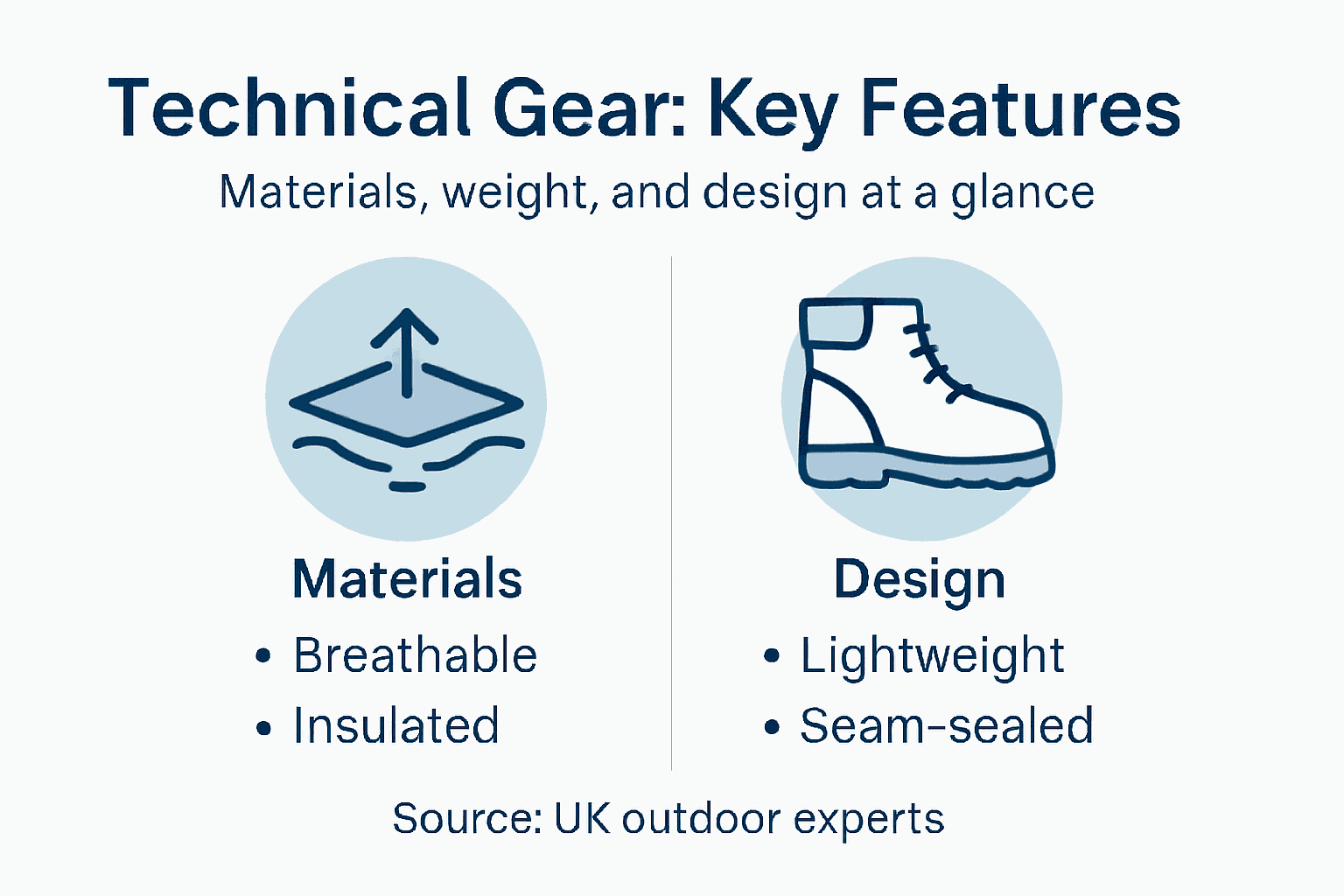
Materials form the foundation of how gear performs. Breathable membranes like Gore-Tex represent one end of the performance spectrum, offering waterproof protection whilst allowing moisture vapour to escape from your skin. This prevents that awful feeling of condensation building up inside your jacket during strenuous climbs. Other waterproofing technologies exist at different price points, each with specific trade-offs. Fabric breathability varies significantly between materials, affecting how comfortable you’ll feel during sustained physical exertion. Insulation materials also vary considerably. Down insulation offers exceptional warmth-to-weight ratio, making it brilliant for weight-conscious hikers, but loses effectiveness when wet. Synthetic insulation materials like polyester fibres maintain warmth even when damp, making them more practical for the unpredictable British climate. Neither option is universally “better” because your choice depends on where you’ll be hiking and how much weight you’re willing to carry.
Weight distribution across your gear significantly impacts your hiking experience, particularly on longer routes. A jacket weighing 350 grammes versus 550 grammes might seem insignificant until you’re climbing for six hours straight. This is where design becomes crucial. Sealed seams prevent water ingress at the most vulnerable points, whilst strategic ventilation zones allow airflow during intense effort without sacrificing protection. Adjustable fit systems enable you to modify how snugly your gear sits, accommodating different layers underneath and preventing water from sloshing around inside. Modern technical designs specifically engineered for UK conditions balance durability against weight, recognising that British weather demands reliable protection but you won’t tolerate carrying unnecessary bulk up mountainsides.
Here’s a quick reference contrasting insulation types for British hiking conditions:
| Insulation Type | Performance When Wet | Weight | Ideal Use in UK Terrain |
|---|---|---|---|
| Down | Loses warmth if soaked | Very light | Cold, dry mountain conditions |
| Synthetic | Retains warmth if damp | Slightly heavier | Wet, variable weather |
The temptation exists to chase the lightest possible gear or the most technically advanced materials. Resist this. Your actual needs determine what features matter most. A day hiker tackling Welsh peaks in summer might prioritise lightweight breathability over maximum insulation. A winter mountaineer traversing Scottish plateaus needs insulation and durability more than featherweight design. Evaluate features in context of your specific hiking plans rather than abstract “best” options.
Pro tip: Check whether a jacket’s seams are fully sealed and test the breathability rating against your typical hiking intensity, as waterproof materials that don’t breathe adequately will leave you sweating inside despite staying dry from rain.
Ensuring Performance in UK Weather and Terrain
British hiking presents a specific set of challenges that generic technical gear simply cannot address. The weather shifts rapidly, sometimes three times in a single day. Terrain varies wildly within a few miles, from boggy moorland to rocky ridges to exposed plateaus. Your gear must perform reliably across all these conditions without forcing you to stop and reorganise every hour. Performance in UK weather demands waterproof and breathable fabrics, supportive footwear for varied ground conditions, and layering systems that adapt to rapid temperature and moisture changes. This isn’t about chasing the most expensive or technically advanced equipment. It’s about selecting gear specifically tested and proven in authentic British conditions.
Waterproofing works differently than many hikers imagine. A completely waterproof barrier might sound ideal until you realise it traps all your body moisture inside, leaving you sweating and uncomfortable. Waterproof membranes that balance water resistance with moisture wicking create the ideal solution for UK conditions. Your shell jacket needs to shed heavy rain whilst allowing perspiration vapour to escape. Similarly, your footwear must provide grip and support on slippery, uneven ground without sacrificing comfort during hours of walking. Reinforced areas on boots and trousers prevent premature wear when scrambling over rocks or pushing through dense vegetation. Real-world testing in environments like Dartmoor and the Scottish Highlands reveals exactly how gear performs when weather turns and ground becomes treacherous.
Terrain-specific performance matters more than generic technical specifications. A brilliant waterproof jacket performs poorly if your boots slide on wet rock or sink into bog. Supportive ankles prevent injuries on uneven ground. Tread patterns designed for loose scree or wet grass keep you stable when footing becomes precarious. Your layering system must work together across the full range of conditions. You might start a Scottish mountain walk in cool morning temperatures wearing all three layers, shed your outer shell as you climb and warm up, then add it back when you reach the exposed summit. Adjustable ventilation in your mid and outer layers allows this temperature regulation without forcing you to completely undress and reorganise your pack.
The most useful approach is seeking out gear tested specifically by UK hikers in real British conditions. Marketing claims matter far less than genuine performance reports from people who’ve worn gear through Scottish downpours and Welsh wind. Your investments in technical hiking equipment should reflect the specific challenges you’ll actually encounter on British trails.
Pro tip: Test your gear during shorter hikes in typical British weather conditions before relying on it for full-day mountain adventures, as what works theoretically often reveals itself during real use on exposed terrain and in sustained rain.
Common Pitfalls When Choosing Hiking Gear
Spending money on hiking gear doesn’t guarantee you’ll enjoy your next adventure. Many people invest heavily in technical equipment only to discover they’ve chosen poorly, ending up uncomfortable and frustrated on the trail. The problem rarely stems from a single wrong purchase. Instead, it develops from systematic mistakes in how people approach gear selection. Understanding these pitfalls helps you avoid wasting money and ensures your investments actually enhance your hiking experiences.
The most obvious mistake is assuming expensive equals effective. A £300 branded jacket isn’t necessarily better than a £150 option if the cheaper jacket actually meets your needs. Many beginners fall into the trap of buying the most prestigious gear without understanding what they’re paying for. Similarly, overlooking the fundamentals creates problems that expensive gear cannot solve. Cotton clothing is comfortable for daily wear but retains moisture when you sweat, leaving you cold and clammy on the trail. Merino wool or synthetic alternatives work far better despite potentially costing less. Misunderstanding layering principles leads hikers to buy inappropriate combinations of clothing that don’t work together effectively. You might own three brilliant individual pieces that fail spectacularly when worn together because they don’t manage moisture as a coordinated system.
Fit and suitability matter enormously yet receive surprisingly little attention. A stunning waterproof jacket with perfect technical specifications becomes worthless if it doesn’t fit properly over your base and mid layers. Heavy gear that slows you down and causes fatigue undermines performance more effectively than lightweight items that don’t quite match your aesthetic preferences. Prioritising aesthetics over function creates a false sense of preparedness. You look the part but lack actual performance when conditions turn challenging. Equally problematic is ignoring UK-specific weather needs. Gear designed for Alpine summer hiking performs poorly in Scottish winter conditions. Footwear suited for dry rocky terrain struggles on boggy moorland. Your gear selection must align with where you actually hike, not where gear companies suggest you hike.
Poor research leads to incompatible gear combinations. You might buy brilliant boots, a quality jacket, and responsive mid-layer insulation, yet they work together awkwardly because you didn’t verify they function as a system. Inadequate investigation of fit means you discover problems only during real hiking, when returns become complicated. The solution is straightforward: understand your specific hiking plans, research gear tested in similar conditions, verify fit before committing, and prioritise function over trends or brand prestige.
Pro tip: Test critical gear items like boots and waterproof jackets during short local hikes before purchasing for longer expeditions, allowing you to discover fit problems and performance issues before relying on them in challenging conditions.
Equip Yourself for UK Adventures with Trusted Technical Hiking Gear
Navigating the unpredictable British weather and diverse terrains calls for reliable technical hiking gear designed to perform and protect. This article highlights the importance of selecting the right layering systems, breathable waterproof fabrics, and supportive footwear that truly meet the demands of UK outdoor conditions. If you are tired of uncomfortable and unsuitable gear ruining your hikes, understanding these essentials is the first step towards better experiences.

Discover a carefully curated range of hiking apparel and equipment at MoreSports that aligns perfectly with the article’s themes. Choose from leading brands and quality products engineered for breathability, durability, and comfort. With competitive prices, free UK delivery on orders over £25, and customer-focused returns up to 90 days, there has never been a better time to build your ideal hiking kit. Take control of your outdoor adventures today and find gear that truly enhances your journeys across the UK at MoreSports Hiking Gear. Step confidently knowing you have equipment tested for real British conditions and backed by excellent support.
Frequently Asked Questions
What is technical hiking gear?
Technical hiking gear is equipment specifically engineered for performance, durability, and safety across challenging conditions and diverse terrains. It helps enhance your outdoor experiences by responding to environmental challenges like weather and terrain.
Why is it important to layer clothing when hiking?
Layering clothing is essential because it helps manage moisture, regulate temperature, and protect against wind and rain. A well-coordinated layering system ensures comfort during physical exertion and allows for adjustments based on changing weather conditions.
What materials should I look for in hiking gear?
Look for breathable and waterproof materials, such as Merino wool for base layers, and waterproof breathable fabrics like Gore-Tex for outer shells. Insulation options like down and synthetic materials each have specific benefits depending on your hiking conditions.
How do I ensure my hiking gear performs well in unpredictable weather?
To ensure your gear performs well in unpredictable weather, select clothing with adequate waterproofing and breathability, use a layering system for temperature regulation, and choose footwear designed for varied terrain. Testing your gear in similar weather conditions before a longer hike is also recommended.