 No Duties or Customs Fees For EU & UK Customers
 Free UK Delivery On Orders Over £30
 90 Day Returns

What Is Workwear and Why Safety Matters Most
BLGMud, rain, and tough site conditions make choosing the right kit a daily decision for professionals across the United Kingdom. The difference between standard gear and purpose-built workwear often lies in comfort, safety, and staying on the right side of Health and Safety Executive rules. For anyone on a British building site or handling heavy tools, understanding what counts as compliant, durable workwear will keep you both protected and ready for whatever the job throws your way.
Table of Contents
- Defining Workwear For UK Professionals
- Major Types And Essential Variations
- Core Safety Standards And Certifications
- Legal Obligations For UK Employers
- Cost, Upkeep, And Common Errors
Key Takeaways
| Point | Details |
|---|---|
| Definition of Workwear | Workwear is essential for safety and professional standards, providing protection across various UK industries. |
| Safety Standards Compliance | Employers must adhere to strict safety regulations and ensure workwear meets current Health and Safety Executive standards. |
| Legal Responsibilities | UK employers are legally required to provide workwear at no cost and maintain compliance with safety and documentation regulations. |
| Maintenance and Cost Management | Effective workwear management involves tracking expenses, maintenance schedules, and timely replacements to enhance safety and reduce long-term costs. |
Defining workwear for UK professionals
Workwear represents much more than simple clothing - it’s a critical safety and professional standard specifically designed for workplace protection. In the United Kingdom, workwear encompasses specialised attire that enables professionals across various industries to perform their duties safely and effectively.
According to the UK government’s official guidelines, workwear includes clothing provided by employers that workers need to perform their specific job functions. This definition encompasses several key categories:
- Protective clothing for hazardous environments
- Industry-specific uniforms
- Safety equipment integrated with clothing
- Specialised gear for trade professionals
The Health and Safety Executive emphasises that workwear isn’t just about appearance, but serves fundamental safety objectives. Professional workwear must meet rigorous standards that protect workers from potential workplace risks, ranging from physical hazards to environmental challenges.
For UK trade professionals, workwear typically includes robust elements designed for durability and protection. Construction workers, electricians, plumbers, and engineers require clothing that can withstand challenging conditions while providing essential safety features. These might include reinforced materials, high-visibility elements, flame-resistant fabrics, and impact-protection zones.
Pro tip: Always check your workwear meets current Health and Safety Executive standards and replace items showing significant wear or damage to maintain optimal protection.
Major types and essential variations
Workwear variations in the UK span multiple industries, each with unique requirements for safety, functionality, and professional standards. Understanding these variations is crucial for workers across different professional sectors.
According to NHS uniform guidelines, workwear types are not just about clothing, but reflect complex considerations of role, safety, and organisational identity. These variations can be categorised into several key types:
- High-visibility workwear for construction and roadside professionals
- Protective equipment for hazardous industrial environments
- Specialised uniforms for healthcare and service sectors
- Technical workwear for engineering and technical trades
- Thermal workwear for outdoor and cold-environment workers
The European Union’s protective equipment regulations provide a comprehensive framework for classifying workwear based on specific protective requirements. These regulations ensure that each type of workwear meets stringent safety standards, addressing risks such as chemical exposure, physical impact, thermal hazards, and electrical dangers.
Each professional sector demands unique workwear characteristics. Construction workers require robust, flame-resistant materials with reinforced joints, while healthcare professionals need antimicrobial, easily sanitised fabrics. Electrical engineers need arc-rated clothing, and agricultural workers require waterproof, durable garments that protect against environmental challenges.
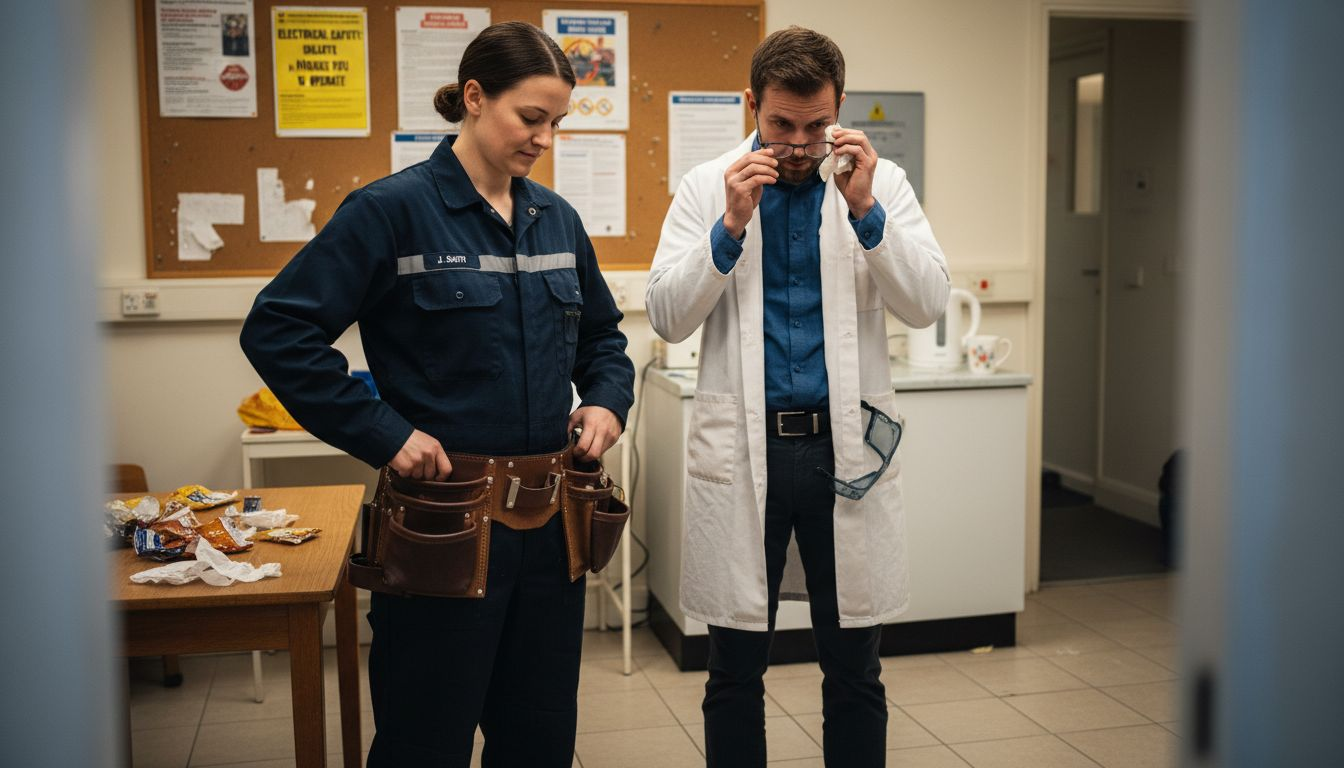
The table below contrasts workwear demands across key UK professional sectors for quick reference:
| Sector | Main Safety Risk | Critical Workwear Feature |
|---|---|---|
| Construction | Physical impacts | Reinforced, high-visibility wear |
| Healthcare | Biological hazards | Antimicrobial, sanitised fabric |
| Engineering | Electrical/thermal risk | Arc-rated, flame-resistant suits |
| Agriculture | Weather, chemicals | Waterproof, durable outerwear |
Pro tip: Always check your specific industry’s workwear standards and invest in certified protective clothing that meets current safety regulations.
Core safety standards and certifications
Safety standards form the backbone of workwear regulation in the United Kingdom, ensuring that protective clothing meets rigorous performance and protection requirements across various industries. These standards are not merely recommendations but legally mandated protocols that safeguard worker health and workplace safety.
The UK government’s designated standards for Personal Protective Equipment (PPE) establish comprehensive guidelines for workwear certification. These standards encompass multiple critical areas:
- Comprehensive performance testing protocols
- Detailed documentation requirements
- Specific labelling criteria
- Rigorous conformity assessments
- Continuous quality monitoring processes
Following post-Brexit PPE enforcement regulations, UK workwear must now comply with Regulation 2016/425. This framework ensures that protective equipment maintains exceptional safety standards through stringent conformity assessments and harmonised regulatory approaches.
Certification typically involves multiple layers of evaluation, including material durability tests, protective capability assessments, and ergonomic performance measurements. Different industries require specific certification levels, ranging from basic protective gear in construction to specialised equipment in high-risk environments like chemical processing or electrical engineering.
Professional workwear certifications are not optional – they are a legal requirement that directly impacts worker safety and employer liability.
Pro tip: Always request and verify the current certification documentation for your workwear, ensuring it meets the latest Health and Safety Executive standards for your specific industry.
Legal obligations for UK employers
Legal responsibilities surrounding workwear represent a complex framework of obligations that UK employers must carefully navigate to ensure workplace safety, equality, and regulatory compliance. These responsibilities extend far beyond simple clothing provisions, encompassing critical aspects of employee protection and workplace standards.
According to government guidelines on workplace clothing, employers have specific tax, National Insurance, and reporting obligations when providing workwear. These requirements include:
- Accurate reporting of protective clothing expenses
- Proper documentation of uniform provisions
- Compliance with HM Revenue and Customs regulations
- Transparent accounting for workwear-related costs
- Maintaining comprehensive record-keeping
The legal framework for workplace dress codes mandates that employers must develop policies that simultaneously protect worker safety and prevent discrimination. This involves creating dress codes that accommodate individual needs while maintaining essential safety standards, particularly in high-risk industries such as construction, manufacturing, and healthcare.
Employers are legally required to provide appropriate protective equipment at no cost to employees, ensure that workwear meets current safety standards, and regularly review and update protective clothing provisions. This includes conducting risk assessments, selecting appropriate protective gear, and training employees on proper usage and maintenance of workwear.
Failure to comply with workwear regulations can result in significant legal penalties, potential workplace accidents, and compromised employee safety.
Pro tip: Consult with a health and safety professional annually to ensure your workwear policies remain fully compliant with current UK regulations and industry-specific requirements.
Cost, upkeep, and common errors
Workwear maintenance represents a significant operational consideration for UK businesses, involving complex financial and practical challenges that extend well beyond initial clothing purchases. Understanding these nuanced expenses and potential pitfalls is crucial for organisations seeking to manage their protective clothing effectively.
According to government guidelines on workplace clothing expenses, employers must carefully track and manage workwear-related costs, which typically encompass multiple financial dimensions:
- Initial purchasing expenses
- Cleaning and maintenance costs
- Repair and replacement expenditures
- Tax reporting and compliance requirements
- Depreciation and asset management
Common errors in workwear management often stem from inadequate tracking, inappropriate cleaning methods, or delayed replacement of worn equipment. Organisations frequently underestimate the importance of systematic maintenance, which can lead to increased long-term expenses and compromised worker safety. Proper care involves understanding material-specific cleaning requirements, implementing regular inspection protocols, and establishing clear replacement guidelines.
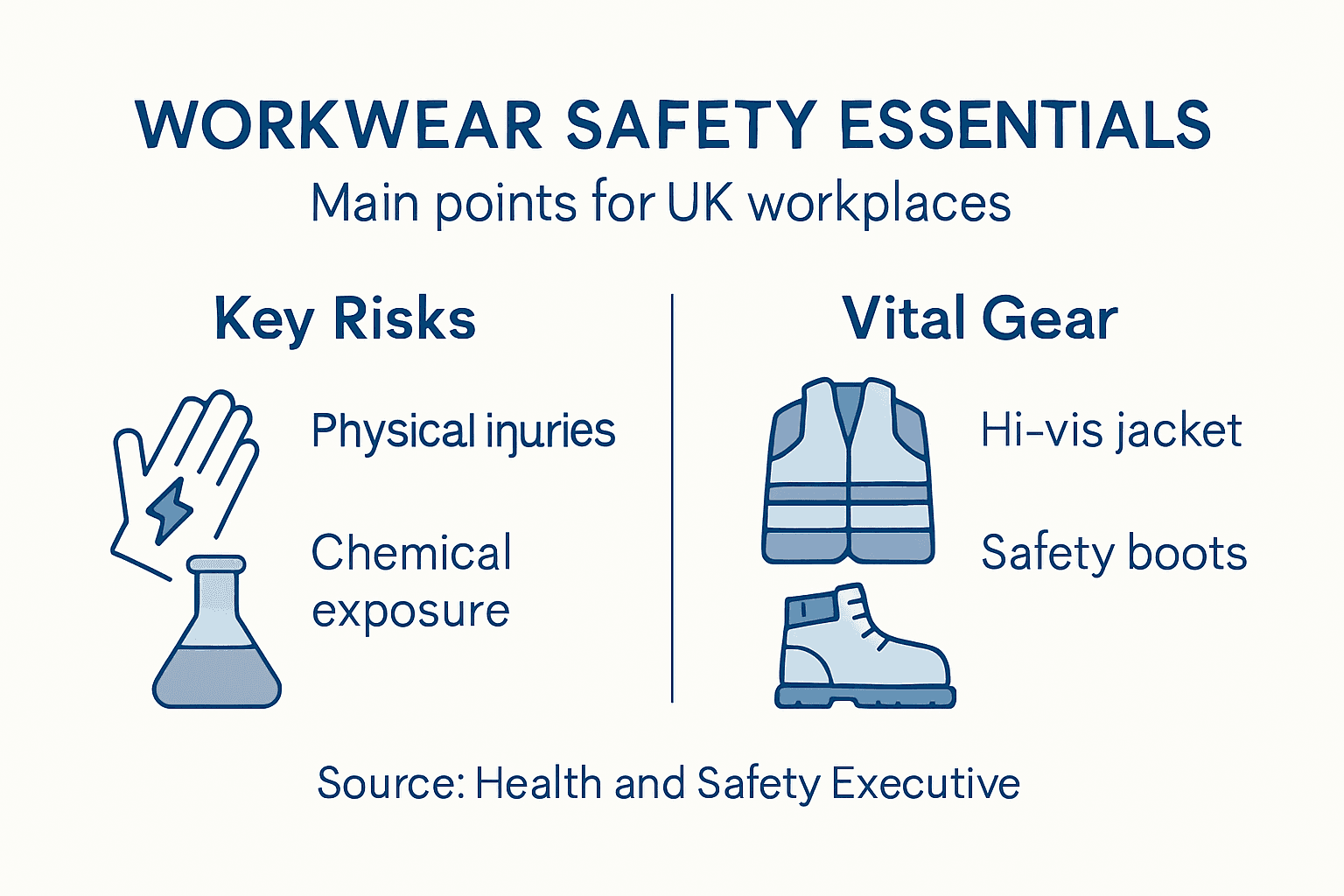
Professional workwear requires strategic financial planning, with businesses needing to balance immediate cost considerations against long-term durability and protection standards. This involves selecting high-quality initial garments, implementing robust maintenance schedules, and training staff on proper care and handling techniques to maximise the operational lifespan of protective clothing.
Below is a summary of common workwear management mistakes and their business consequences:
| Common Mistake | Typical Consequence | Suggested Solution |
|---|---|---|
| Poor tracking of garments | Lost items, increased costs | Digital inventory system |
| Delayed replacement | Safety compliance issues | Scheduled inspections |
| Inadequate cleaning | Reduced garment lifespan, infection risk | Training on care protocols |
| Lack of certification checks | Legal liability, insurance gaps | Regular compliance reviews |
Neglecting workwear maintenance is not just a financial risk, but a potential safety hazard that can expose organisations to significant legal and operational challenges.
Pro tip: Develop a comprehensive workwear inventory management system that tracks purchase dates, maintenance cycles, and replacement schedules to optimise both safety and financial efficiency.
Gear Up with Certified Workwear for Ultimate Safety and Comfort
Workwear safety is non-negotiable for UK professionals who face physical impacts, electrical hazards, or biological risks daily. The article highlights the critical need for certified, high-quality workwear that complies with Health and Safety Executive standards to protect you on the job. Whether you are in construction, engineering, or healthcare, investing in durable and compliant protective clothing reduces safety risks and legal liabilities.

At MoreSports, we understand these challenges and offer a vast selection of robust workwear and safety boots tailored to meet the toughest workplace demands. Our range supports your need for flame-resistant, waterproof, and high-visibility gear that blends protection with comfort. With competitive prices, free UK delivery on orders over £25, and expert UK-based support, you can upgrade your workwear confidently today. Start browsing our trusted collection now at MoreSports and ensure your workwear ticks every safety box needed for your profession.
Frequently Asked Questions
What is workwear?
Workwear refers to specialised clothing designed for workplace protection, safety, and functionality. It includes protective clothing, industry-specific uniforms, and safety equipment tailored to various job functions.
Why is safety important in workwear?
Safety is crucial in workwear because it serves to protect workers from potential workplace hazards, including physical risks, chemical exposures, and environmental challenges. Adhering to safety standards helps ensure worker health and compliance with legal regulations.
What types of workwear are there?
There are several types of workwear, including high-visibility garments for construction workers, protective gear for industrial environments, specialised uniforms for healthcare professionals, and thermal clothing for those working in cold conditions. Each type is designed to meet specific safety and functionality requirements.
How can employers ensure compliance with workwear safety standards?
Employers can ensure compliance by providing appropriate protective equipment at no cost to employees, conducting regular risk assessments, selecting certified protective gear, and training staff on proper use and maintenance of workwear.