 No Duties or Customs Fees For EU & UK Customers
 Express Tracked UK Delivery On 1000s of Items
 90 Day Returns

Workwear Insulation – Enhancing Safety on Site
BLGCold spells on British construction sites can turn an ordinary shift into a real test of endurance. Exposure to low temperatures, even near zero degrees Celsius, can risk worker safety by causing hypothermia and loss of muscle function. Reliable insulated workwear does more than keep you comfortable—it is a key barrier against dangerous health conditions and keeps your team performing at their best. Discover the vital features and regulations shaping insulated workwear for dependable site protection.
Table of Contents
- What Is Workwear Insulation And Why It Matters
- Common Insulation Types For Workwear
- Key British Standards And Safety Regulations
- Selecting Insulated Workwear For Job Roles
- Employer Responsibilities And Legal Compliance
- Risks, Common Errors And Cost Impact
Key Takeaways
| Point | Details |
|---|---|
| Importance of Insulation | Workwear insulation is essential for protecting workers from cold environments, directly impacting safety and productivity. |
| Selection Criteria | Choosing the right insulation type depends on job-specific needs, environmental conditions, and individual worker requirements. |
| Compliance with Regulations | Employers must adhere to health and safety regulations, ensuring appropriate insulated workwear is provided and maintained. |
| Risk Management | Inadequate insulation selection can lead to severe financial and safety repercussions, emphasising the need for effective risk assessment strategies. |
What Is Workwear Insulation And Why It Matters
Workwear insulation represents a critical protective technology designed to safeguard workers against harsh environmental conditions, particularly in cold industrial settings. By incorporating advanced materials and thermal management techniques, insulated workwear ensures worker safety and comfort during challenging outdoor tasks.
At its core, workwear insulation preserves core body temperature through specialised clothing technologies that trap and retain heat. This is not merely about comfort - it’s about preventing serious health risks associated with prolonged cold exposure. Sustained low temperatures can rapidly compromise worker performance and trigger dangerous physiological responses.
Key aspects of effective workwear insulation include:
- Thermal retention materials like synthetic fibres
- Multi-layered design strategies
- Moisture-wicking capabilities
- Wind and water resistance
- Breathable fabric technologies
Advanced research institutions are continuously improving insulation technologies to enhance worker protection. These developments focus on creating lightweight, flexible garments that provide maximum thermal protection without restricting movement or causing overheating.
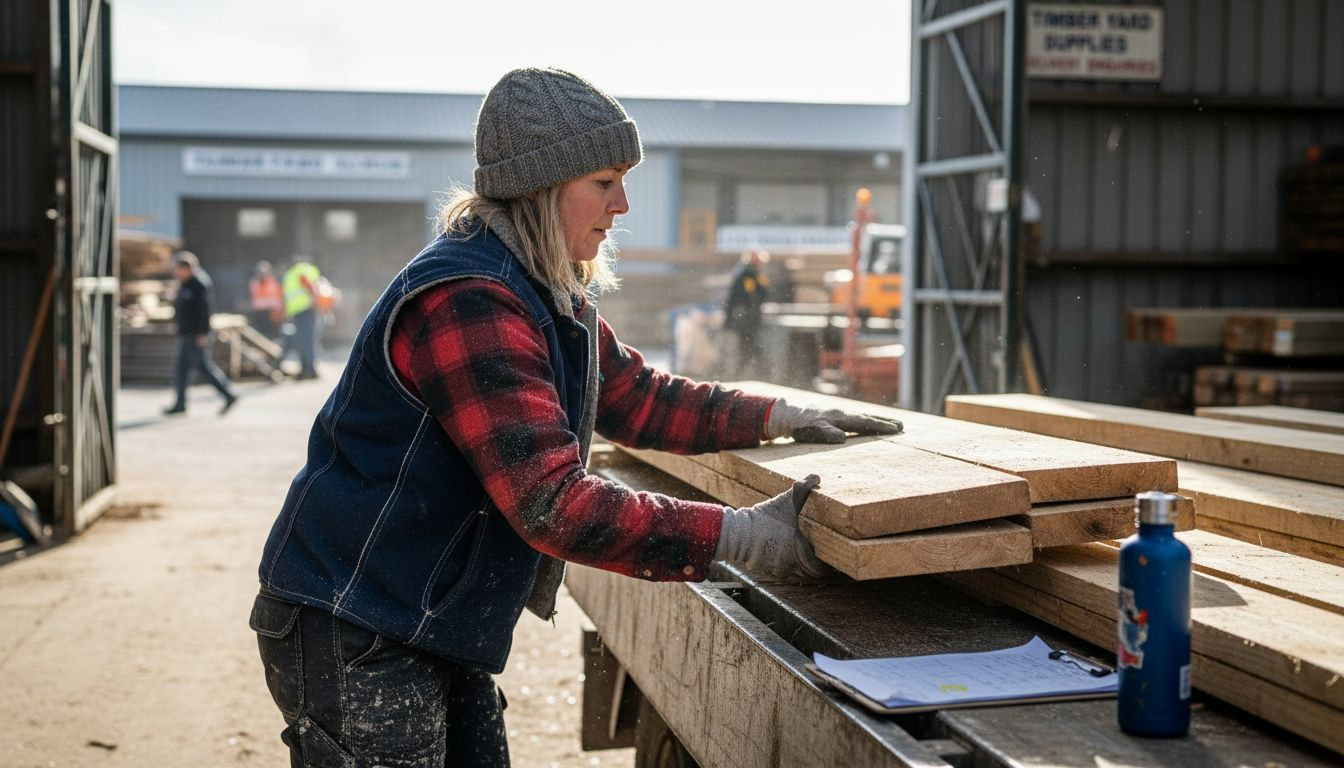
The significance of proper workwear insulation cannot be overstated. Beyond immediate comfort, it directly impacts worker safety, productivity, and long-term health. Effective thermal protection prevents conditions like hypothermia, reduces muscle stiffness, and maintains cognitive function in challenging environmental conditions.
Pro tip: Always select workwear insulation rated for your specific working environment, considering temperature range, wind chill factor, and expected physical activity levels.
Common Insulation Types For Workwear
Workwear insulation encompasses a diverse range of materials designed to protect workers from extreme temperatures and harsh environmental conditions. Understanding the different insulation types is crucial for selecting appropriate protective clothing that ensures worker safety and comfort.
The primary categories of workwear insulation materials include:
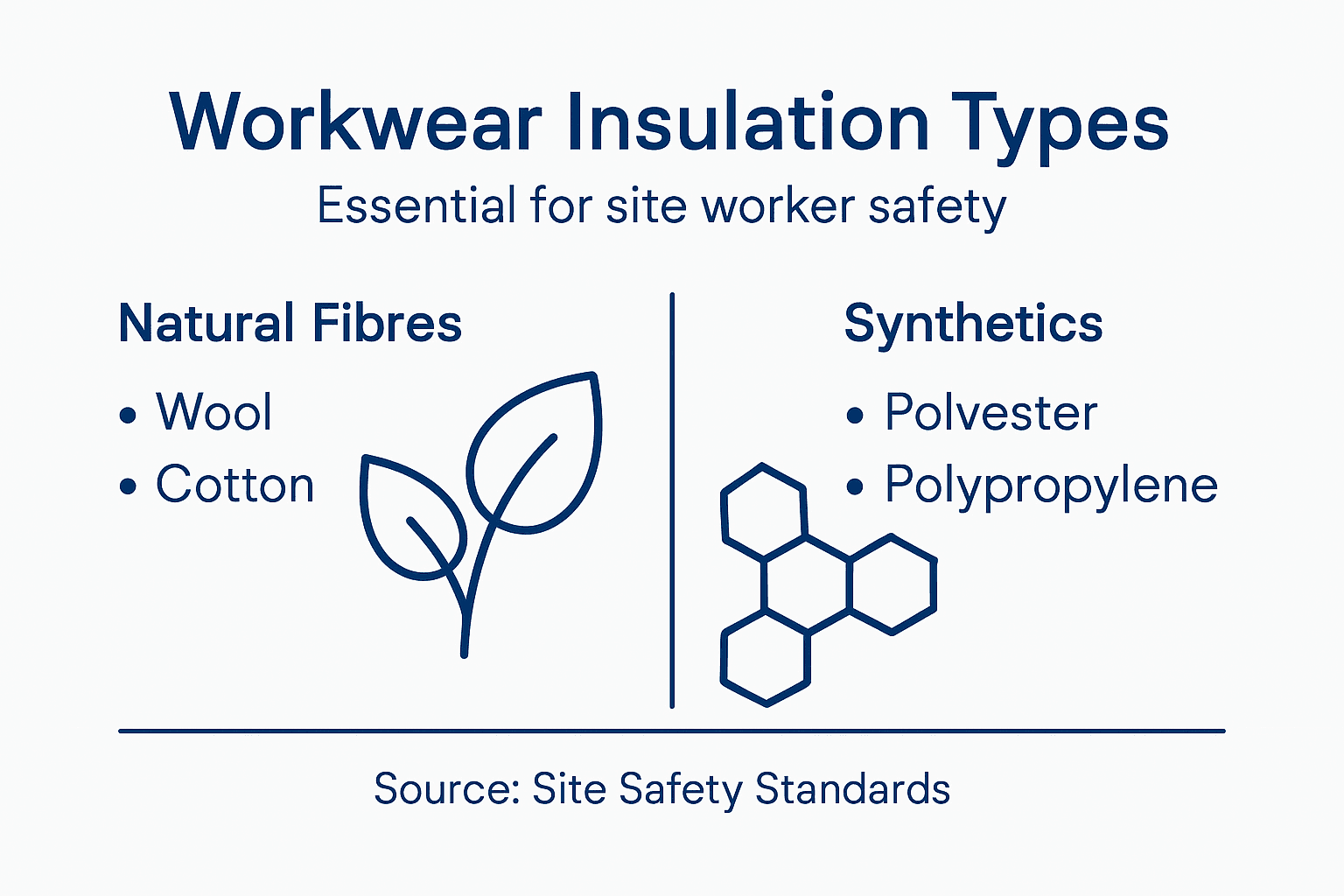
- Natural fibres: Wool, cotton, and silk
- Synthetic materials: Polyester, polypropylene, and nylon
- Advanced technologies: Thinsulate, aerogel, and high-performance synthetic blends
Natural fibres offer unique thermal properties that have been trusted for generations. Wool, in particular, provides exceptional heat retention even when damp, making it an excellent choice for outdoor and industrial work environments. Cotton, while breathable, offers limited insulation and works best as a base layer.
Synthetic insulation technologies provide advanced protection through innovative material engineering. Polyester and polypropylene create lightweight, moisture-wicking fabrics that maintain thermal efficiency. Advanced synthetic materials like Thinsulate offer remarkable warmth-to-weight ratios, enabling workers to stay protected without feeling weighed down.
The table below summarises how common workwear insulation materials compare regarding key performance aspects:
| Material Type | Warmth Retention | Moisture Management | Weight and Flexibility |
|---|---|---|---|
| Wool (Natural) | Exceptional, even when damp | Moderate, dries slowly | Medium weight, moderate flex |
| Cotton (Natural) | Low, best as base layer | Poor when wet | Light, highly flexible |
| Polyester (Synthetic) | High, maintains warmth | Excellent, wicks moisture | Lightweight and flexible |
| Thinsulate (Advanced) | Very high, lightweight | Good, resists moisture | Ultra-light and thin |
| Aerogel (Advanced) | Superior, minimal bulk | Excellent, non-absorbent | Extremely light, inflexible |
Advanced insulation isn’t just about warmth - it’s about creating a comprehensive protective environment that adapts to changing work conditions.
The selection of insulation type depends on multiple factors, including:
- Expected temperature range
- Physical activity level
- Moisture exposure
- Duration of outdoor work
- Specific industry requirements
Layering techniques play a crucial role in maximising insulation effectiveness. Combining different materials - such as a moisture-wicking base layer, an insulating middle layer, and a protective outer shell - creates a comprehensive thermal management system.
Pro tip: Always consult manufacturer specifications and match your workwear insulation to your specific working environment and expected physical demands.
Key British Standards And Safety Regulations
Workplace safety regulations form the critical foundation for protecting workers in challenging environmental conditions. Workplace health and safety standards establish comprehensive guidelines that mandate employers provide appropriate protective equipment and working environments.
The primary legal frameworks governing workwear insulation in the United Kingdom include:
- Workplace (Health, Safety and Welfare) Regulations 1992
- Personal Protective Equipment at Work Regulations 1992
- Health and Safety at Work Act 1974
- Management of Health and Safety at Work Regulations 1999
Personal Protective Equipment regulations have undergone significant updates, particularly in 2022, expanding protection to include casual and non-traditional workers. These amendments ensure that every worker, regardless of employment status, receives suitable insulated protective clothing tailored to their specific work environment.
Compliance with safety regulations is not optional - it’s a legal requirement that protects worker health and organisational integrity.
Key regulatory requirements for workwear insulation demand that employers:
- Conduct comprehensive risk assessments
- Provide appropriately rated protective clothing
- Ensure regular maintenance and replacement of PPE
- Train workers on proper use of protective equipment
- Document and maintain equipment compliance records
The Health and Safety Executive (HSE) plays a crucial role in enforcing these standards, with potential legal consequences for non-compliance including significant financial penalties and potential criminal prosecution for serious breaches.
Pro tip: Maintain detailed documentation of your workwear insulation selection process, including risk assessments and equipment specifications, to demonstrate regulatory compliance.
Below is a quick reference for British legal frameworks impacting workwear insulation procurement:
| Regulation Name | Scope of Protection | Key Requirement |
|---|---|---|
| Health & Safety at Work Act 1974 | All workplaces | General duty of care |
| PPE at Work Regulations 1992 & 2022 | All employees and casual workers | Suitable PPE provided free |
| Workplace (Health, Safety and Welfare) Regulations 1992 | Industrial and office environments | Safe temperature and conditions |
| Management of Health & Safety at Work Regulations 1999 | All workplace safety management | Risk assessment and training |
Selecting Insulated Workwear For Job Roles
Workwear insulation requires a nuanced approach that goes beyond simple temperature protection. Personal protective equipment selection demands careful consideration of job-specific requirements, environmental conditions, and individual worker needs.
Different job roles require distinct insulation strategies:
- Construction workers: Heavy-duty, multilayered insulation
- Outdoor maintenance personnel: Wind-resistant, waterproof outer layers
- Warehouse staff: Lightweight, flexible thermal protection
- Agricultural workers: Breathable, moisture-wicking insulation
Occupational safety guidelines recommend comprehensive workwear strategies that consider multiple environmental factors. Employers must assess specific workplace conditions, including temperature range, physical activity levels, and potential exposure risks when selecting appropriate insulated workwear.
Effective workwear insulation is not a one-size-fits-all solution - it requires careful, role-specific analysis and customisation.
Key considerations for selecting job-specific insulated workwear include:
- Assess precise workplace temperature ranges
- Evaluate expected physical activity levels
- Consider moisture exposure and potential environmental challenges
- Determine required mobility and flexibility
- Check compatibility with additional personal protective equipment
The layering approach remains critical for comprehensive thermal protection. Workers should utilise a strategic combination of base layers, insulating midlayers, and protective outer shells to create a flexible, adaptable thermal management system.
Pro tip: Conduct annual reviews of your workwear insulation requirements, considering changes in job roles, workplace conditions, and emerging protective technologies.
Employer Responsibilities And Legal Compliance
Legal obligations for workplace safety form a comprehensive framework that directly impacts worker protection and organisational accountability. Personal protective equipment regulations establish clear guidelines that employers must follow to ensure worker safety in challenging environmental conditions.
Key employer responsibilities include:
- Conducting thorough workplace risk assessments
- Providing appropriate insulated workwear at no cost
- Maintaining and replacing protective equipment regularly
- Training workers on correct use of protective gear
- Documenting safety compliance measures
- Ensuring equipment meets current safety standards
Health and safety legislation mandates comprehensive worker protection that extends beyond basic compliance. The Health and Safety at Work Act 1974 establishes a fundamental duty of care requiring employers to create and maintain a safe working environment that minimises potential health risks.
Compliance is not just a legal requirement - it’s a moral obligation to protect workers’ fundamental right to safety.
Legal consequences for non-compliance can be severe, including:
- Substantial financial penalties
- Potential criminal prosecution
- Increased insurance premiums
- Reputational damage
- Potential civil litigation from injured workers
Employers must recognise that workwear insulation is not merely a procedural checkbox but a critical component of workplace safety strategy. This involves continuous assessment, training, and adaptation to changing workplace conditions and technological advancements.
Pro tip: Develop a comprehensive PPE management system that includes regular audits, worker feedback mechanisms, and proactive replacement protocols.
Risks, Common Errors And Cost Impact
Workplace insulation risks encompass a complex landscape of potential safety and financial challenges that extend far beyond simple equipment selection. Cost-benefit risk analysis reveals multiple critical dimensions where errors can have profound consequences.
Common errors in workwear insulation selection include:
- Choosing inappropriate thermal materials
- Overlooking specific environmental conditions
- Neglecting worker mobility requirements
- Failing to consider moisture management
- Ignoring activity-specific insulation needs
- Purchasing solely based on cost
Investigative reports highlight serious safety implications of inadequate insulation strategies. These errors can result in significant financial and human costs, including increased worker illness, reduced productivity, and potential legal liabilities.
Effective risk management in workwear insulation requires a holistic approach that balances safety, comfort, and economic considerations.
Potential cost impacts of poor insulation selection include:
- Increased healthcare expenses
- Higher worker compensation claims
- Reduced workplace productivity
- Potential legal penalties
- Reputational damage to organisations
Employers must develop comprehensive risk assessment strategies that go beyond immediate equipment costs. This involves evaluating long-term workplace safety implications, potential productivity losses, and the broader economic consequences of inadequate thermal protection.
Pro tip: Implement a rigorous, multifaceted evaluation process that considers performance, safety, worker comfort, and total lifecycle costs when selecting workwear insulation.
Stay Warm and Safe with High-Quality Insulated Workwear
Cold and harsh environments demand more than just basic clothing. As the article highlights, choosing the right workwear insulation is vital to protect against risks like hypothermia and reduced productivity due to cold stress. At MoreSports, we understand these challenges and offer a wide range of expertly designed insulated workwear that matches your specific job role and environmental needs. From moisture-wicking materials to wind-resistant outer layers, our collection supports the critical layering systems discussed in the article, ensuring warmth, flexibility, and reliable protection.

Do not compromise on your safety or comfort on site. Explore our selection today and benefit from competitive pricing, free UK delivery on orders over £25, and a 90-day return policy. Visit MoreSports now to find trusted brands and trusted gear that align perfectly with the British safety regulations and industry best practices mentioned. Your safety deserves nothing less than the best insulated workwear available.
Frequently Asked Questions
What is workwear insulation and why is it important?
Workwear insulation is a protective technology that helps maintain core body temperature in cold industrial settings. It is crucial for preventing health risks such as hypothermia and maintaining worker performance during outdoor tasks.
What types of materials are used for workwear insulation?
Common materials include natural fibres like wool and cotton, synthetic materials like polyester and polypropylene, and advanced technologies such as Thinsulate and aerogel. Each type offers distinct advantages in terms of warmth retention, moisture management, and weight.
How should I choose the right type of workwear insulation for my job?
Consider factors such as the expected temperature range, physical activity levels, moisture exposure, and required mobility. A layering approach combining moisture-wicking base layers, insulating midlayers, and protective outer shells is often recommended for optimal thermal management.
What are the key legal regulations related to workwear insulation?
Employers must adhere to regulations like the Workplace (Health, Safety and Welfare) Regulations and the Personal Protective Equipment (PPE) at Work Regulations. These laws mandate that suitable insulated workwear is provided to ensure the safety and well-being of workers.