 No Duties or Customs Fees For EU & UK Customers
 Express Tracked UK Delivery On 1000s of Items
 90 Day Returns

Workwear Layering—Adapting to UK Site Weather
BLGRain in the morning, sunshine by lunch, and biting cold before the shift ends—this unpredictable cycle is familiar to British construction professionals working outdoors. Choosing the right workwear layering system is not simply about comfort, but protecting against sudden drops in temperature, wind, and rain throughout your workday. This article helps you understand practical layering principles and fabric selections that keep you safe and flexible across challenging UK job site conditions.
Table of Contents
- Workwear Layering: Essential Principles And Purpose
- Types Of Layers: Base, Insulation, And Outer
- Choosing Fabrics And Workwear Features For The UK
- Fit, Flexibility, And Movement On Job Sites
- Legal Safety Requirements In Construction Workwear
- Common Mistakes In Workwear Layering To Avoid
Key Takeaways
| Point | Details |
|---|---|
| Effective Layering | Workwear layering involves a base layer for moisture management, an insulation layer for warmth, and an outer shell for environmental protection, ensuring comfort and safety in variable conditions. |
| Fabric Selection | Choosing the right fabrics is essential for moisture management, thermal regulation, and durability, facilitating optimal performance across diverse work environments in the UK. |
| Fit and Mobility | Ergonomic design is crucial to ensure unrestricted movement, enhancing safety and performance in physically demanding jobs. |
| Legal Compliance | Understanding legal requirements for workwear is vital for employer responsibility in protecting workers, including proper training and regular maintenance of Personal Protective Equipment (PPE). |
Workwear layering: essential principles and purpose
Workwear layering represents a strategic approach to managing personal comfort and protection in variable UK work environments. The fundamental goal is creating a flexible clothing system that adapts seamlessly to changing weather conditions and physical activity levels. Personal protective equipment regulations underscore the importance of workers having appropriate clothing that ensures both safety and functionality.
The core principles of effective workwear layering involve three critical components:
- Base Layer: Moisture-wicking, lightweight fabrics that sit directly against the skin
- Insulation Layer: Materials designed to trap warmth and provide thermal regulation
- Outer Shell: Protective garments that shield against wind, rain, and external environmental conditions
Successful layering allows workers to add or remove clothing quickly, maintaining optimal body temperature throughout challenging work conditions. UK weather adaptability requires a dynamic approach, recognising that temperatures can fluctuate dramatically within a single workday.
Understanding layering isn’t just about comfort—it’s a critical safety strategy. Different work environments demand specific clothing configurations, from construction sites to outdoor maintenance roles. The right layering system prevents potential health risks associated with temperature extremes, such as hypothermia or heat stress.
Pro tip: Invest in versatile, high-quality layers that can be easily mixed and matched to create a comprehensive workwear system tailored to your specific job requirements.
Types of layers: base, insulation, and outer
Workwear layering is a sophisticated system comprising three essential components, each serving a unique purpose in protecting workers from the unpredictable UK climate. Effective layering strategies involve carefully selecting materials that work together to manage moisture, temperature, and environmental protection.
The three critical layers of workwear include:
-
Base Layer: Lightweight, moisture-wicking fabrics designed to:
- Remove sweat from skin
- Regulate body temperature
- Prevent chafing and discomfort
-
Insulation Layer: Thermal materials that:
- Trap warm air close to the body
- Provide thermal regulation
- Adapt to varying activity levels
-
Outer Shell: Protective garments that:
- Block wind and rain
- Provide additional thermal protection
- Withstand harsh work environment conditions
Specifically, British wool offers remarkable properties for insulation layers. Natural wool fibres provide exceptional thermal regulation, moisture management, and breathability—critical attributes for workers facing variable outdoor conditions.
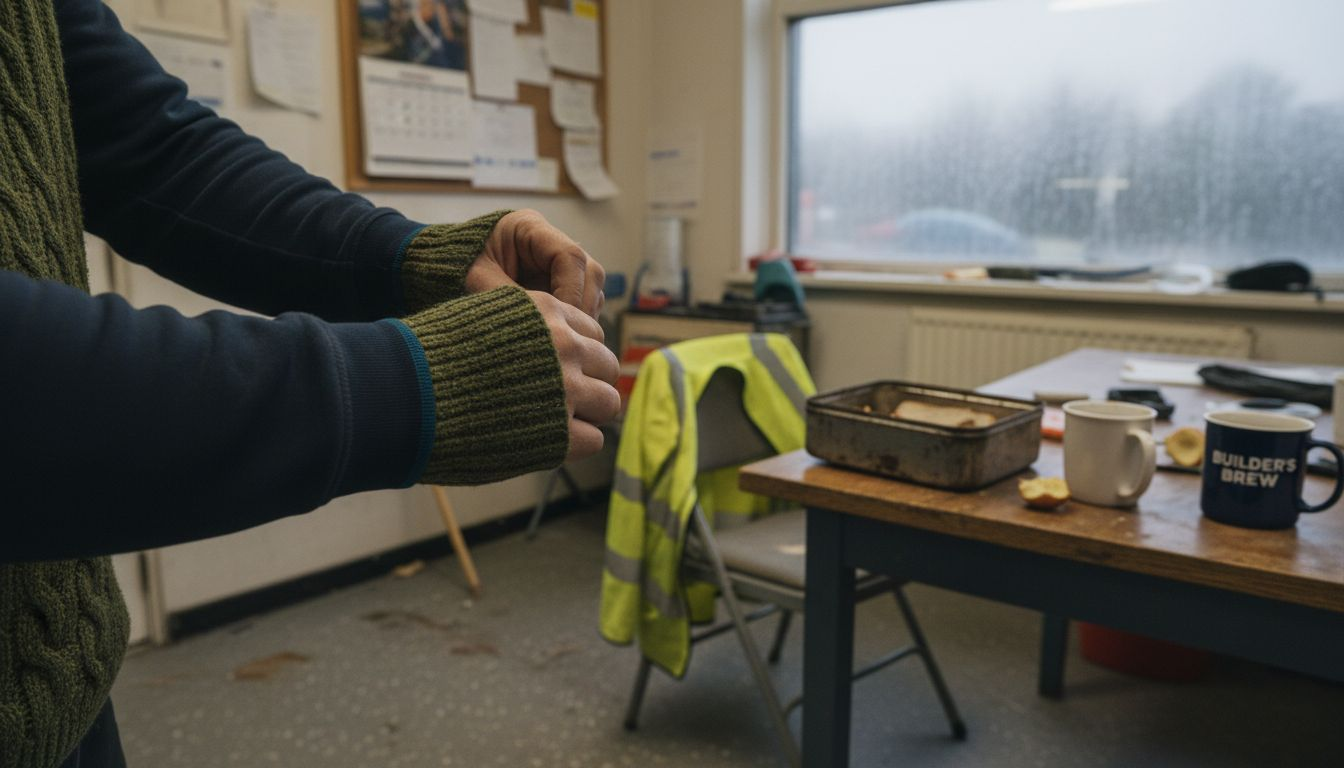
Understanding each layer’s function allows workers to create a dynamic clothing system that adapts seamlessly to changing workplace environments. The right combination ensures comfort, performance, and protection against the challenging weather typical of UK work sites.
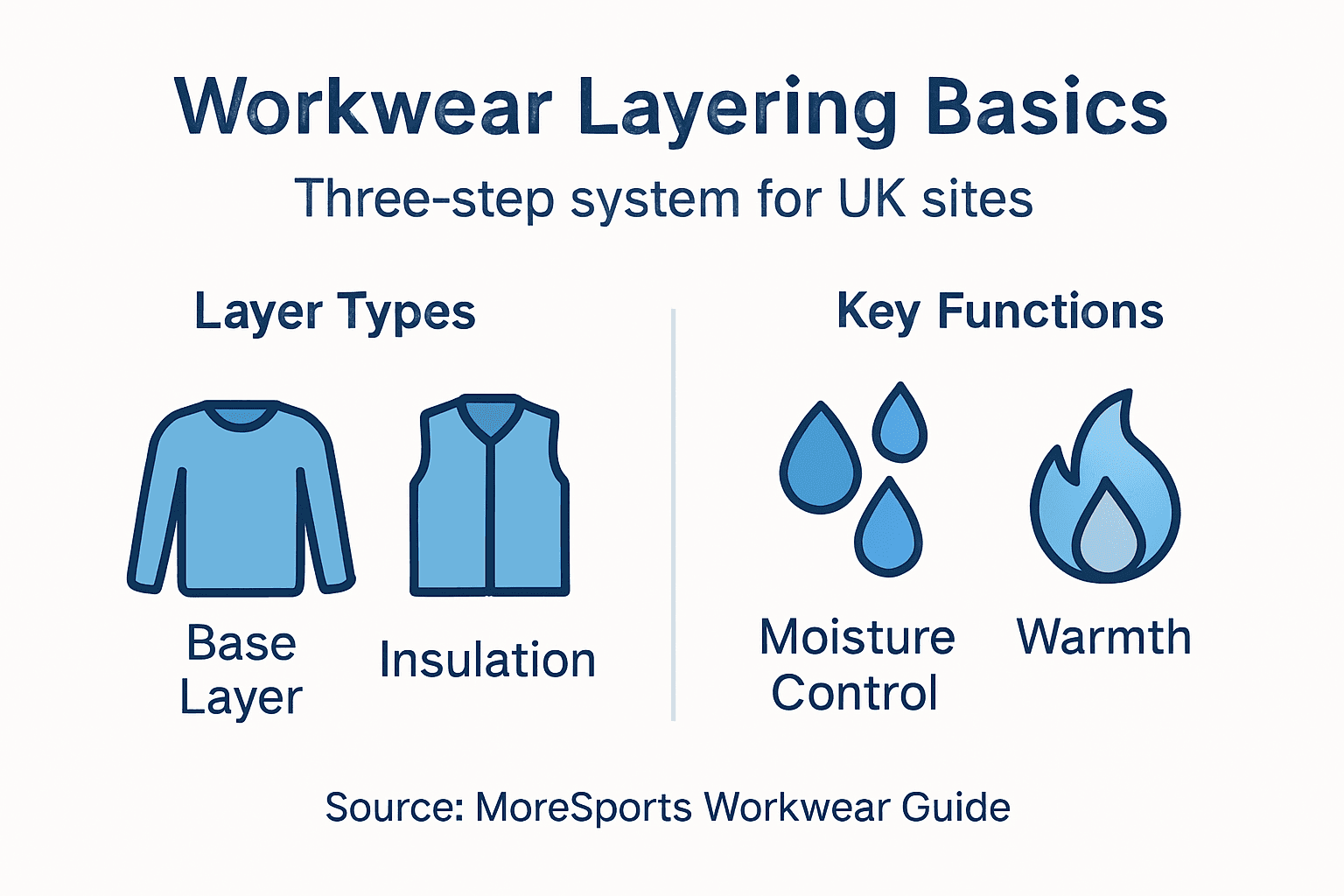
To help you select the best materials for each layer, here is a comparison of fabric types and their suitability for British workwear:
| Fabric Type | Insulation Level | Durability | Best Use in Layering |
|---|---|---|---|
| Merino Wool | Superior warmth | Good, resists odour | Insulation/Base Layer |
| Polyester Blend | Moderate insulation | High, quick-drying | Base/Outer Layer |
| Cotton | Low when wet | Moderate, soft feel | Light Outer/Base Layer |
| Nylon | Low | Excellent, tough | Outer Shell |
| Fleece | High warmth, light | Moderate | Insulation Layer |
Pro tip: Select performance fabrics with multifunctional properties that can transition smoothly between different work tasks and environmental conditions.
Choosing fabrics and workwear features for the UK
Selecting appropriate workwear fabrics is crucial for professionals navigating the unpredictable British climate. Fabric performance characteristics play a critical role in ensuring worker comfort, safety, and productivity across diverse work environments.
Key fabric considerations for UK workwear include:
-
Moisture Management:
- Quick-drying materials
- Sweat-wicking capabilities
- Breathable textile technologies
-
Thermal Regulation:
- Adaptive insulation properties
- Temperature-balancing fabrics
- Materials that maintain warmth without overheating
-
Durability Features:
- Reinforced stress points
- Abrasion-resistant surfaces
- Long-lasting material construction
Natural and synthetic fibres each offer unique advantages for workwear. Wool provides exceptional thermal regulation and moisture control, while polyester blends deliver lightweight performance and enhanced durability. UK workwear fabric selection demands a strategic approach that balances protection, comfort, and functional versatility.
Professionals must consider specific workplace requirements when selecting workwear fabrics. Construction sites, outdoor maintenance roles, and industrial environments each present unique challenges that demand specialised fabric technologies and protective features.
Pro tip: Invest in multi-purpose workwear fabrics that offer adaptability across different working conditions and seasonal temperature variations.
Fit, flexibility, and movement on job sites
Workwear design plays a critical role in ensuring worker safety and performance, particularly in physically demanding environments. Construction site mobility requirements demand clothing that supports unrestricted movement while maintaining essential protective standards.
Key considerations for optimal workwear fit include:
-
Ergonomic Design:
- Articulated joints
- Stretch panels in critical movement areas
- Gusseted design for increased range of motion
-
Comfort Factors:
- Lightweight materials
- Breathable fabric technologies
- Minimal internal seam friction
-
Movement Optimization:
- Flexible fabric compositions
- Strategic placement of stretch zones
- Reduced fabric bunching during physical tasks
Occupational mobility support requires workwear that adapts to workers’ dynamic physical needs. Advanced clothing designs incorporate specialised fabric technologies that allow workers to bend, stretch, and move without restriction, reducing fatigue and potential injury risks.
Professionals across construction, maintenance, and industrial sectors need workwear that balances protection with exceptional mobility. The right clothing becomes an extension of the worker’s body, enabling efficient and safe task completion in challenging work environments.
Pro tip: Select workwear with pre-curved sleeves and articulated knees to maximise natural body movement and reduce clothing-related restrictions.
Legal safety requirements in construction workwear
Understanding legal obligations surrounding workwear is crucial for maintaining safety standards in construction environments. Personal Protective Equipment regulations establish comprehensive guidelines that employers must follow to protect workers from potential workplace hazards.
Key legal requirements for construction workwear include:
-
Employer Responsibilities:
- Conduct comprehensive risk assessments
- Provide appropriate Personal Protective Equipment (PPE)
- Ensure free-of-charge protective clothing
- Maintain and replace damaged workwear
-
Employee Training:
- Proper usage instructions
- Understanding protective equipment functions
- Regular maintenance and inspection training
-
Compliance Standards:
- Meet Health and Safety Executive (HSE) guidelines
- Adhere to industry-specific protective clothing standards
- Demonstrate ongoing commitment to worker safety
Construction site safety regulations mandate that employers coordinate and implement robust protective measures. These regulations require dutyholders to systematically minimize risks through carefully selected and maintained workwear that meets stringent safety criteria.
The legal framework surrounding construction workwear is designed to create a proactive safety culture. Employers must go beyond mere compliance, developing a comprehensive approach that prioritizes worker protection through intelligent design, continuous assessment, and responsive safety strategies.
For quick reference, here is a summary of key legal responsibilities regarding construction workwear in the UK:
| Responsibility | Employer Duties | Employee Expectations |
|---|---|---|
| Provision & Maintenance | Supply and replace all required PPE | Care for and report damaged clothing |
| Risk Assessment | Conduct site-specific hazard analysis | Follow safety guidelines precisely |
| Training | Educate on correct PPE usage | Participate in all relevant training |
| Compliance Monitoring | Ensure adherence to updated regulations | Comply with all PPE requirements |
Pro tip: Maintain detailed documentation of workwear selections, risk assessments, and employee training to demonstrate regulatory compliance and commitment to workplace safety.
Common mistakes in workwear layering to avoid
Construction site workwear performance requires a strategic approach to prevent common layering errors that can compromise worker safety and comfort. Understanding these mistakes is crucial for maintaining optimal protection in challenging UK work environments.
Key layering mistakes professionals must avoid include:
-
Overheating Risks:
- Wearing too many thick layers
- Neglecting breathable fabric technologies
- Failing to adjust clothing during activity changes
-
Moisture Management Errors:
- Selecting non-wicking base layers
- Trapping sweat against the skin
- Ignoring moisture-control fabric properties
-
Improper Fit Complications:
- Choosing restrictive clothing
- Wearing garments that limit movement
- Selecting inappropriate sizes
Personal protective equipment guidelines emphasise the critical importance of selecting workwear that balances protection, comfort, and functionality. Workers must understand that inappropriate layering can lead to significant health risks, including hypothermia, heat stress, and reduced on-site mobility.
Professionals must approach workwear layering as a dynamic system, continuously assessing and adapting clothing choices to match specific work conditions, physical activity levels, and environmental challenges. The right approach transforms workwear from a simple clothing choice into a critical safety strategy.
Pro tip: Implement a flexible layering system that allows quick adjustments, enabling workers to add or remove layers seamlessly throughout the workday.
Master Workwear Layering with Quality Gear from MoreSports
Adapting to the unpredictable UK site weather demands a clever layering system combining moisture-wicking base layers, insulating mid-layers, and durable outer shells. At MoreSports, we understand the challenges construction and outdoor professionals face daily when balancing comfort, protection, and mobility. Our wide selection of workwear and safety boots is designed specifically to meet legal safety requirements while providing ergonomic fit, breathability, and weather adaptability.

Dont let improper layering hold you back on site. Visit MoreSports today to explore high-performance fabrics and layering essentials that help you maintain optimal temperature and move freely throughout your workday. Benefit from free UK delivery on orders over 25 and our hassle-free 90-day returns. Get the right gear now to enhance your safety and comfort in every British weather condition.
Frequently Asked Questions
What is the purpose of workwear layering?
Workwear layering is designed to manage personal comfort and protection by providing a flexible clothing system that adapts to changing weather conditions and physical activity levels on site.
What are the three essential layers for workwear?
The three essential layers for workwear are the base layer, which is moisture-wicking; the insulation layer, which traps warmth; and the outer shell, which protects against wind and rain.
How do I choose the right fabrics for workwear in various weather conditions?
Selecting the right workwear fabrics involves considering moisture management, thermal regulation, and durability to ensure comfort and protection amid unpredictable weather.
What common mistakes should I avoid when layering workwear?
Common mistakes to avoid include overheating by wearing too many thick layers, neglecting moisture-wicking base layers, and choosing poorly fitted clothing that restricts movement.