 No Duties or Customs Fees For EU & UK Customers
 Express Tracked UK Delivery On 1000s of Items
 90 Day Returns

11 Best Hiking Base Layers Tested For UK Trails (2026)
RYA wrong base layer can ruin an otherwise perfect day on the hills. Too warm and you're drenched in sweat before the first summit. Too thin and you're shivering the moment the wind picks up. Finding the best hiking base layers comes down to matching the right fabric, weight, and fit to the conditions you'll actually face, and that's not always straightforward with UK weather changing by the hour.
Merino wool or synthetic? Lightweight or midweight? Zip neck or crew? Each choice affects how well you regulate temperature, manage moisture, and stay comfortable across long days on the trail. We've tested 11 base layers across real UK terrain, from Mourne Mountain trails to the Lake District, to help you cut through the noise and pick the right one for your next hike.
At MoreSports, we stock base layers and hiking gear from brands like Craghoppers and Berghaus, and we've spent years helping customers kit out for UK and Irish conditions. This guide draws on that hands-on experience to break down what actually performs when it matters, covering materials, fit, breathability, and value so you can buy with confidence.
How we tested base layers on UK trails
Testing base layers properly means getting out in the kind of weather UK hikers actually face, not lab conditions or dry sunny days. We wore each of the 11 layers across multiple outings over several months, covering terrain ranging from the Mourne Mountains in Northern Ireland to trails in the Lake District and Snowdonia. Each layer spent a minimum of three full day hikes in active use before we formed any conclusions.
The conditions we put them through
UK trails throw up a mix of sustained uphill effort, cold exposed ridgelines, and sudden downpours that most base layers will struggle with at some point. We deliberately chose outings that included all three: long ascents where you build heat fast, open summits where wind chill drops the temperature sharply, and descents in wet weather where moisture management becomes critical. We also tested layers during shoulder season conditions in autumn and spring, when temperatures can swing from 5°C at the trailhead to well below freezing on higher ground.
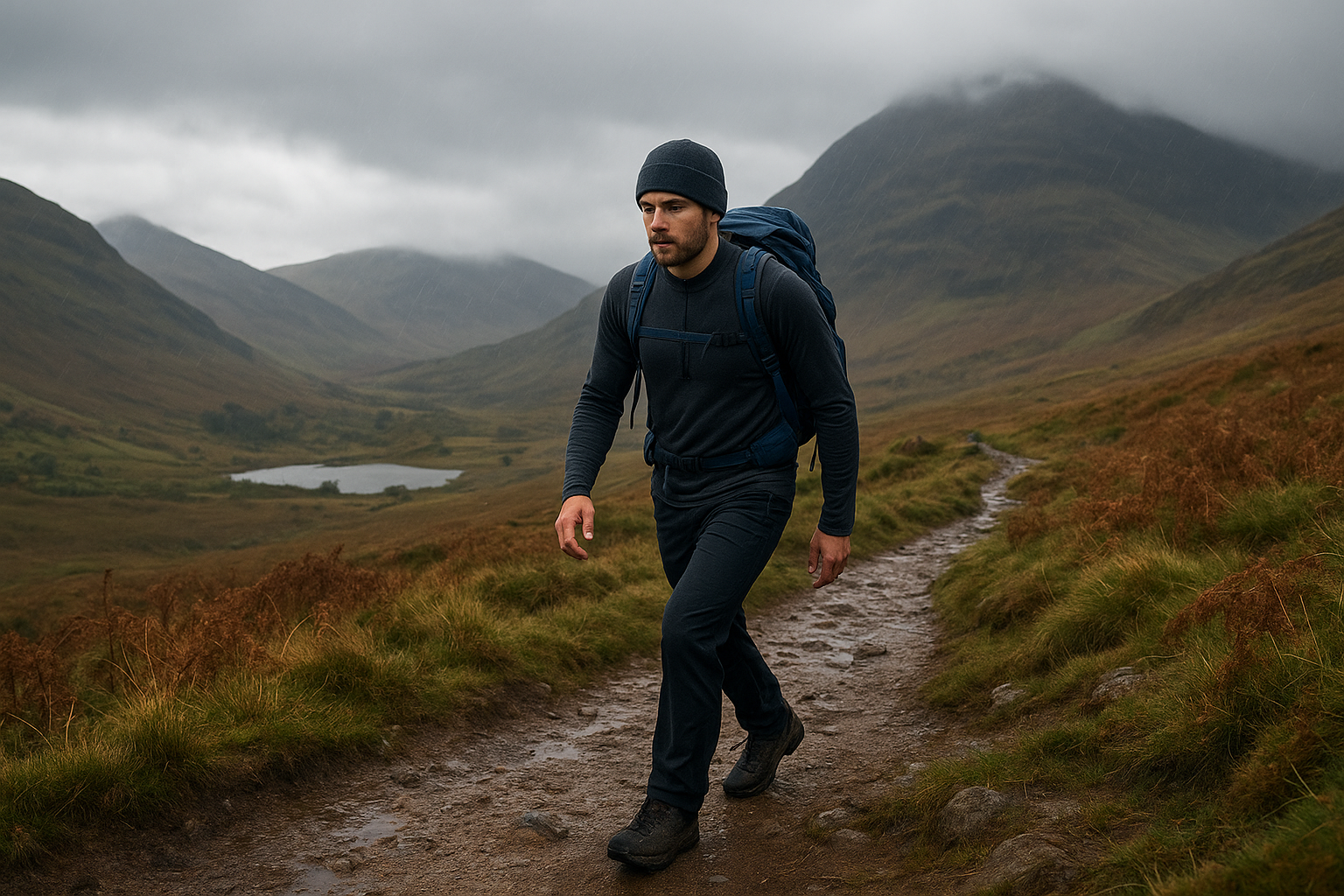
A base layer that performs well only in one type of condition is not worth recommending to UK hikers.
What we measured during each test
We assessed each layer against five core criteria: moisture management, warmth retention, odour resistance, fit during movement, and durability after repeated washing. Moisture management looked at how quickly each layer moved sweat away from the skin and how clammy it felt after a hard climb. Warmth retention measured how well the layer held heat during rest stops and cold descents. We wore some layers for two or three consecutive days without washing to judge odour control honestly, which matters on multi-day routes where you carry minimal kit.
How we settled on the final rankings
Rankings came from combining field performance scores with value for money and availability for UK buyers. A layer that scored well in wet conditions but fell apart after a few washes dropped in the final list. We also considered how each one sits within a full layering system, since most hikers wear a mid-layer and shell on top. The best hiking base layers we picked work across that full system, not just in isolation. Price range mattered too, because the right layer needs to be accessible, not just impressive on paper.
How to choose the right hiking base layer
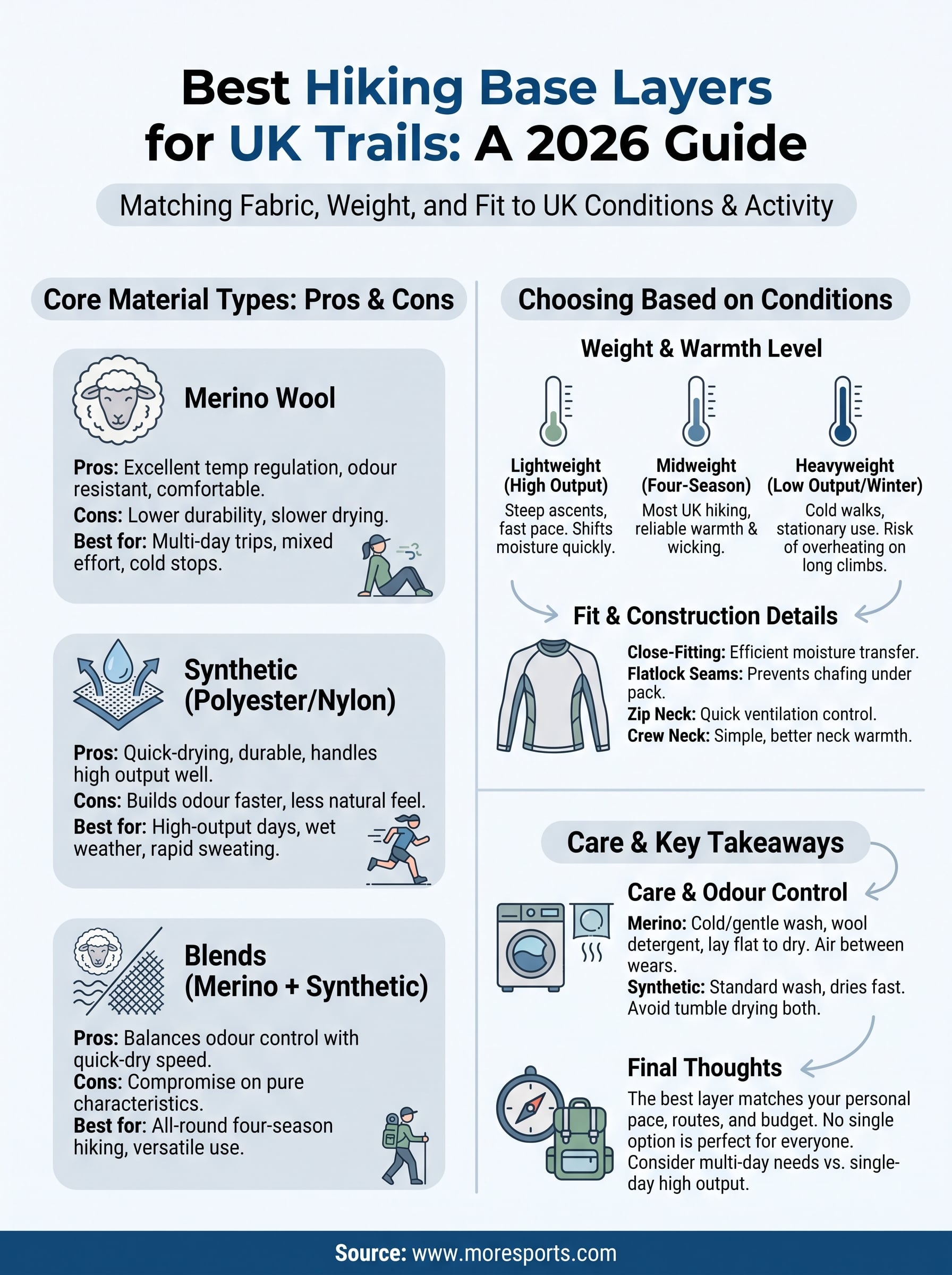
Getting this decision right starts with understanding three variables that matter most: weight, material, and fit. The best hiking base layers match your typical activity level and the conditions you hike in, not just the temperature on the day you buy them.
Weight and warmth level
Base layers come in lightweight, midweight, and heavyweight options. Lightweight suits high-output days like steep ascents where you generate a lot of body heat. Midweight covers most UK four-season hiking, where you need warmth but still need moisture to move away from your skin during effort.
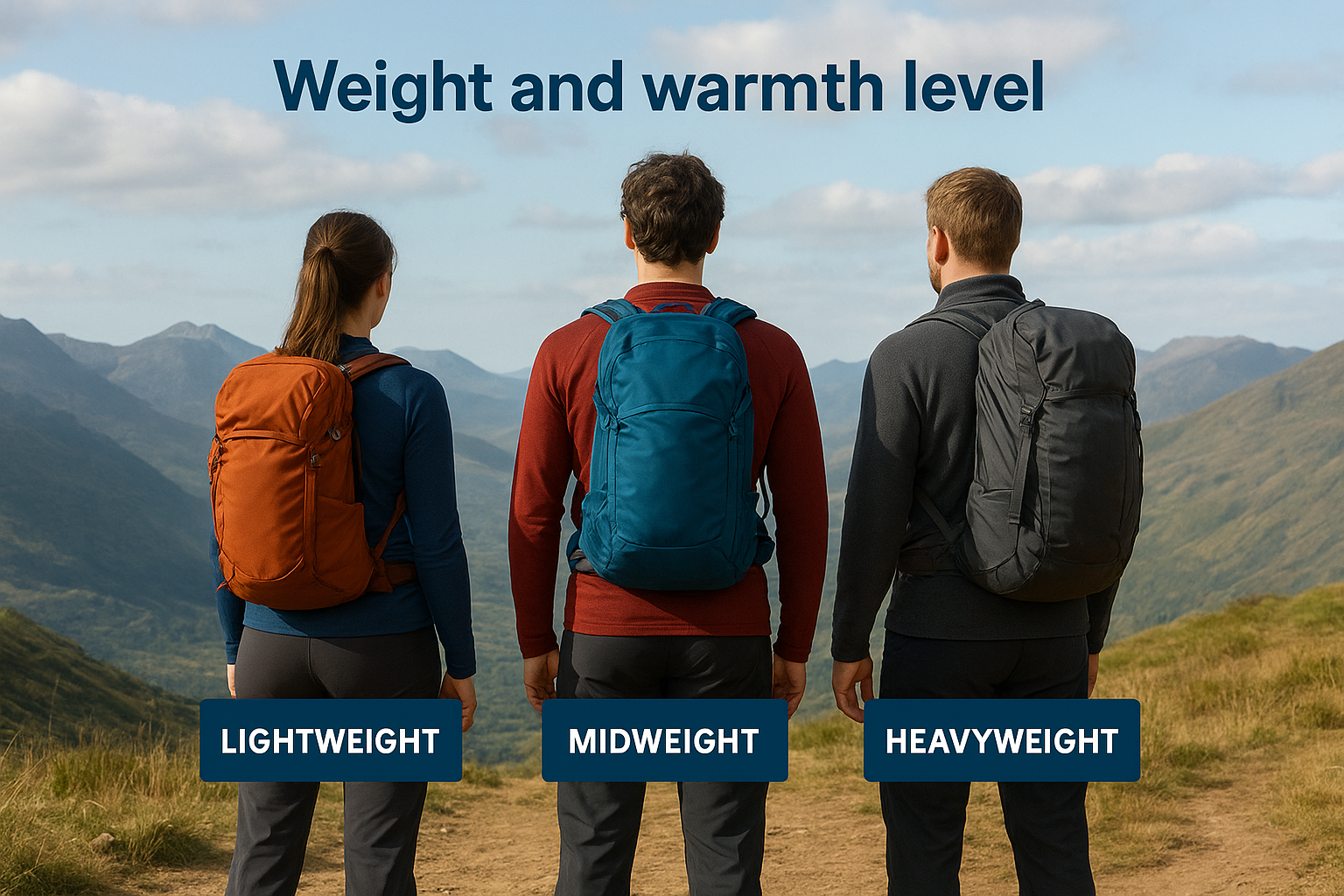
If you hike mostly on exposed ridgelines or in the Highlands, a midweight base layer will serve you better through most of the year than a lightweight option.
Heavyweight options work well for low-output winter days, such as short cold walks or stationary activities at altitude, but they can overheat you on longer, more demanding routes.
Fit and construction
Close-fitting base layers transfer moisture more efficiently than loose ones because they stay in direct contact with your skin. Look for these construction details before you buy:
- Flatlock seams to prevent chafing under a loaded pack
- Raglan sleeves for natural arm movement
- Articulated patterning to stop bunching under a mid-layer
Collar and closure style
A zip neck gives you quick ventilation control on the move without stopping to remove layers. Crew necks offer simplicity and slightly better warmth retention at the neck.
Your choice comes down to how much temperature variation you typically face in a single outing. If your routes include cold summits and warmer valleys, a zip neck wins every time.
Merino vs synthetic vs blends for UK weather
Choosing between these three material types is the single biggest decision you make when selecting a base layer. Each has clear strengths and clear weaknesses, and UK conditions make the choice more nuanced than it might first appear.
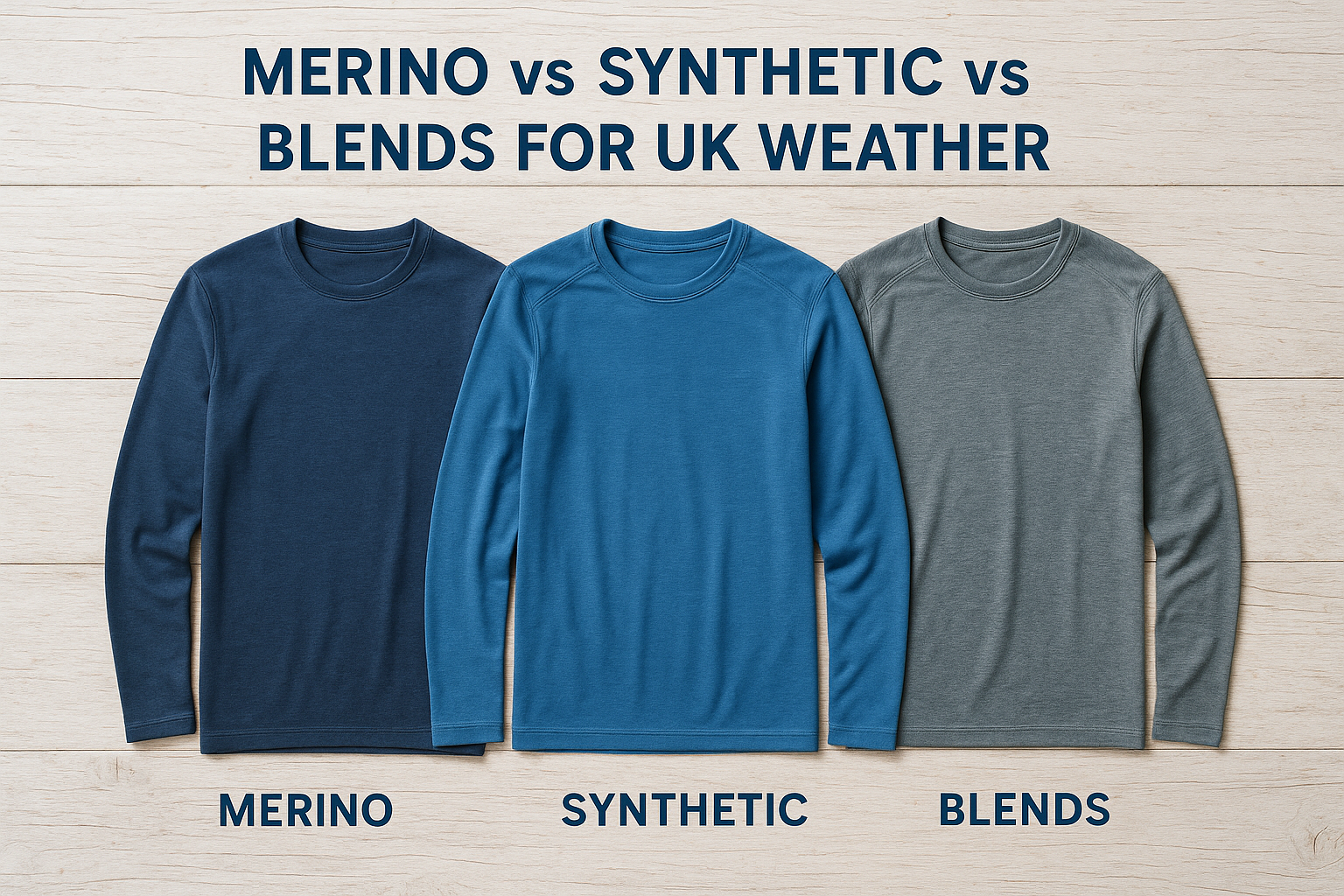
Merino wool
Merino wool handles temperature swings and multi-day wear better than any synthetic on the market. The natural crimp in the fibre traps air for insulation, but it also breathes well during effort. Merino's standout quality for UK hikers is its odour resistance, which makes it the go-to choice for wild camping routes where you cannot wash daily. The downside is durability: merino wears through faster than synthetics, especially under a heavy pack on the shoulder seams.
If you hike routes that mix sustained effort with long cold rest stops, merino gives you the most comfortable all-day experience.
Synthetic fabrics
Synthetic base layers, typically polyester or nylon, dry significantly faster than merino after heavy sweating or rain. They handle high-output days better because they move moisture away from your skin quickly and recover their performance after a wash in minutes rather than hours. The trade-off is odour: synthetics trap bacteria more readily, which makes them a poor choice for trips longer than two days without a wash.
Blends
Blended fabrics combine merino's odour control with synthetic's quick-dry speed, landing you in a practical middle ground for most UK four-season hiking. The best hiking base layers in this guide include several blends that perform well across wet upland terrain without sacrificing durability or comfort during high-output climbs.
Care, washing, and odour control basics
How you wash and maintain your base layer directly affects how long it lasts and how well it performs on the trail. The best hiking base layers can degrade quickly if you ignore care instructions, especially merino wool, which shrinks or felts under high heat. Taking five minutes to wash correctly saves you from replacing an expensive layer far too soon.
Washing merino and synthetic layers correctly
Merino wool needs a cold or 30°C gentle machine cycle with a wool-specific detergent. Avoid fabric softener entirely as it coats the fibres and kills the natural wicking properties. Lay merino flat to dry rather than hanging it, which stretches the fabric out of shape. Synthetic base layers are more forgiving: a standard 40°C cycle works fine, and they dry quickly in a warm room or on a line. Avoid tumble drying both material types where possible.
If you tumble dry merino even once on high heat, you will likely shrink it beyond wearable size.
Odour control between washes
On multi-day routes, a full wash is rarely possible. For merino layers, airing them out overnight handles most odour because the natural lanolin in the fibre resists bacteria. For synthetics, carrying a small travel-size odour spray or rinsing the layer in cold water and squeezing it dry works reasonably well. Blended fabrics sit between the two, benefiting from airing but building odour faster than pure merino on consecutive days. Rotating between two base layers on longer trips is the most reliable solution regardless of material.
1. MoreSports top all-round pick for most hikers
The Berghaus Thermal Tech Baselayer earns its place at the top of this list because it handles the widest range of UK conditions without compromise. Whether you're tackling a wet Mourne ridgeline in autumn or a cold Snowdonian valley in March, this midweight layer delivers the consistent performance that most four-season hikers need.
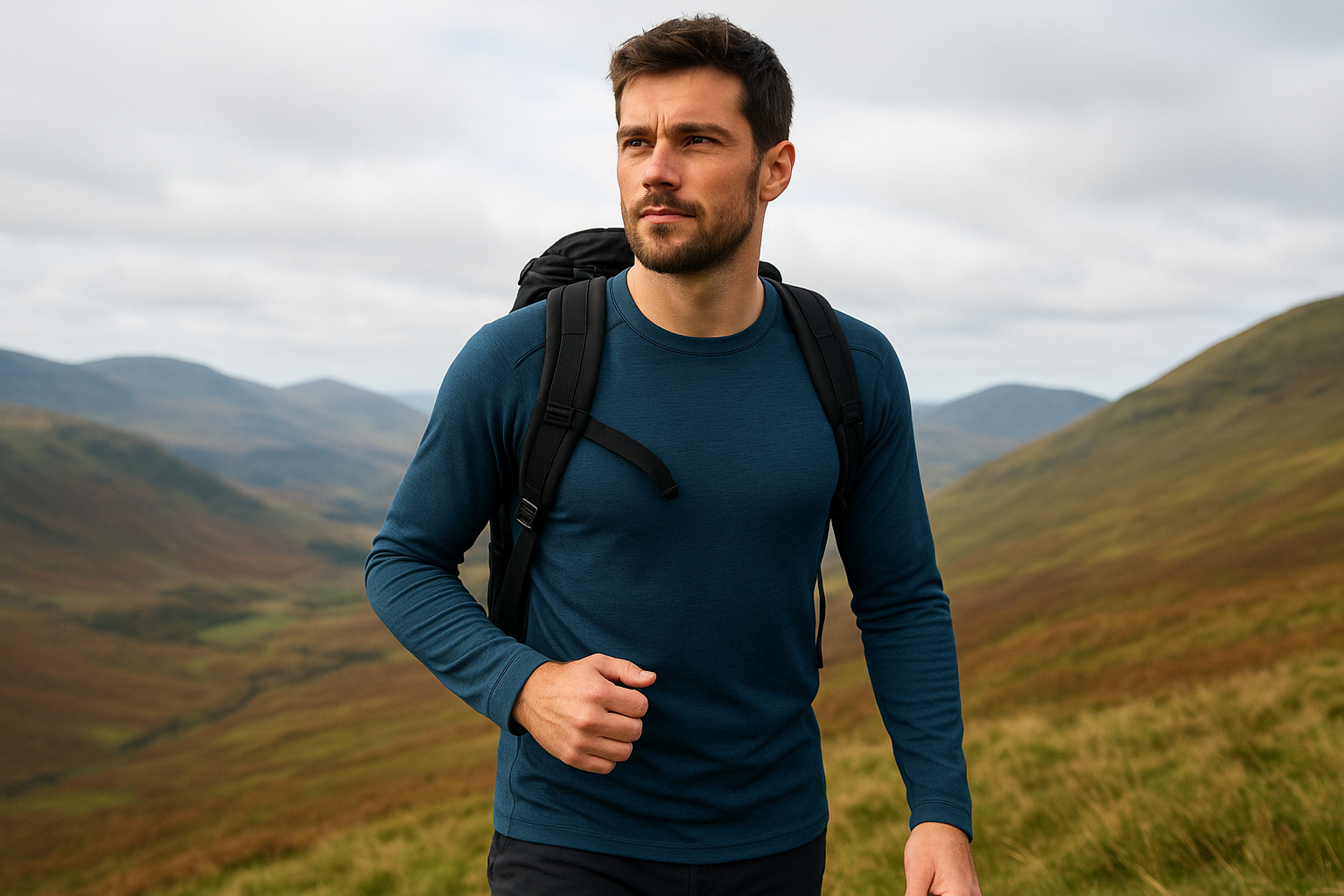
Best for
This layer suits year-round UK hiking across mixed terrain, particularly routes with significant elevation change where temperatures vary sharply between valley floors and exposed summits. It works well for both single-day walks and multi-day trips where you carry minimal kit.
Fabric and weight
The fabric is a polyester-merino blend at around 200gsm, which gives you merino's natural odour resistance alongside the faster drying speed of synthetic fibres. This combination makes it one of the best hiking base layers for unpredictable British weather.
Fit and comfort notes
Flatlock seams prevent chafing under a loaded pack, and the articulated cut allows full arm movement without bunching under a shell. The close-to-skin fit keeps moisture transfer efficient throughout a long day on the hill.
Performance on UK trails
During testing, the layer managed sweat well on steep ascents and retained warmth during cold summit stops. It also recovered its structure after repeated washing without losing noticeable stretch.
This layer held up across back-to-back testing days with minimal odour build-up, which matters on longer routes.
Downsides to know
The drying time runs longer than a pure synthetic after full saturation in heavy rain, and the merino content means you must follow cold-wash care instructions to avoid shrinkage.
Price range and value
Priced in the £45 to £65 range, this layer delivers strong versatility for the cost. You get performance that specialist-only brands typically charge significantly more for.
2. Smartwool Classic Thermal Merino 1/4 Zip
The Smartwool Classic Thermal Merino 1/4 Zip sits firmly among the best hiking base layers for anyone who prioritises odour resistance and all-day comfort over raw drying speed. It is a pure merino layer that handles the unpredictable temperature swings of UK mountain routes with confidence.
Best for
This layer suits cold-weather day hikes and multi-day trips where washing between outings is not possible. It works particularly well for hikers who run cold on exposed ridgelines and need reliable warmth retention at rest stops.
Fabric and weight
The fabric is 100% Merino wool at 250gsm, placing it firmly in the midweight category. That weight gives you genuine insulation without the bulk of a dedicated fleece mid-layer underneath a shell.
Fit and comfort notes
Minimal internal seaming keeps irritation low across long days, and the 1/4 zip collar gives you quick ventilation control during hard climbs. The cut runs slightly relaxed compared to close-fit synthetics, which some hikers prefer under a heavy pack.
If you carry a large rucksack regularly, the relaxed fit here reduces pressure points across your shoulders noticeably.
Performance on UK trails
On sustained climbs, the layer manages heat build-up reasonably well for its weight. During cold descents and summit rest stops, warmth retention stands out clearly against thinner alternatives.
Downsides to know
Drying time is longer than any synthetic option, and full saturation in driving rain leaves you carrying noticeable extra weight until you can dry out.
Price range and value
Expect to pay £70 to £90 for this layer. The durability and odour control justify the cost over several seasons of regular use.
3. Helly Hansen Lifa Merino midweight half zip
The Helly Hansen Lifa Merino midweight half zip combines Helly Hansen's proprietary Lifa synthetic core with a merino outer face to create one of the most technically refined layers in this guide. It earns its place among the best hiking base layers for its exceptional wet-weather performance across UK mountain terrain.
Best for
This layer suits active hikers who face sustained rain and heavy sweating on the same outing. The Lifa fibre construction keeps moisture moving even when conditions turn hostile, making it a strong choice for Scottish Highland routes and Lakeland fells in autumn and winter.
Fabric and weight
The fabric uses Lifa polypropylene fibres on the inside with a merino outer face, sitting at approximately 230gsm. This dual-fibre structure accelerates moisture transfer faster than pure merino alone while keeping the merino's natural odour resistance intact.
Fit and comfort notes
The close-cut fit stays in contact with your skin throughout long days, and the half-zip collar gives you fast ventilation control on steep ascents. Flatlock seaming runs throughout the construction to eliminate rubbing under a loaded pack.
This layer stays noticeably drier against your skin during hard climbs compared to single-fibre alternatives of the same weight.
Performance on UK trails
During testing on wet, steep terrain, the Lifa layer transferred sweat faster than most pure merino options while retaining solid warmth during cold summit stops. Recovery after heavy rain was also quicker than expected for a merino-blend garment.
Downsides to know
The price sits at the higher end of the midweight market, and the Lifa inner requires careful cold washing to preserve the polypropylene fibres over repeated use.
Price range and value
Expect to pay £80 to £100. For regular hikers tackling demanding UK routes in wet conditions, the performance-to-durability ratio justifies the cost across multiple seasons.
4. Rab Syncrino base long sleeve tee
The Rab Syncrino base long sleeve tee stands out among the best hiking base layers for its practical approach to UK conditions. Rab built this layer around their proprietary Syncrino fabric, which blends merino with nylon to produce a durable, active-fit top that holds up through demanding days in the hills.
Best for
This layer suits high-output hikers who want merino's natural benefits without the durability concerns of pure wool. It performs best on single-day routes with significant climbing involved, where moisture management during effort matters more than warmth at rest stops.
Fabric and weight
The Syncrino fabric combines merino wool with nylon reinforcement, sitting at a lightweight 150gsm. That low weight makes it ideal for fast-paced days where you generate heat quickly and need moisture to shift away from your skin without delay.
Fit and comfort notes
The athletic close-fit cut keeps the fabric in constant contact with your skin for efficient moisture transfer. Rab uses flatlock seams throughout, which eliminates the chafing that shows up on long days under a loaded rucksack.
This layer moves with your body on steep scrambles in a way that heavier midweight options simply cannot match.
Performance on UK trails
During testing on steep Lakeland ascents, moisture transferred quickly and the layer stayed comfortable across varied effort levels. The nylon content also resisted the shoulder wear that pure merino layers often show after a full season.
Downsides to know
At 150gsm, warmth retention is limited on cold rest stops, so you will need a reliable mid-layer on exposed routes in autumn and winter.
Price range and value
Expect to pay £55 to £75. The added durability over pure merino makes this strong value for hikers who get out regularly throughout the year.
5. Montane Dart zip neck
The Montane Dart zip neck earns its place among the best hiking base layers for fast-moving, high-output days where carrying minimal weight matters as much as performance. Montane designed this layer specifically for active mountain use, and that focus shows in every detail of the construction.
Best for
This layer suits fast-paced day hikes and trail running crossover use, particularly on routes where you push hard and need moisture to shift rapidly away from your skin. It works well on steep Welsh and Scottish terrain where effort levels stay consistently high throughout the day.
Fabric and weight
The fabric uses 100% recycled polyester at around 130gsm, making it one of the lightest options in this guide. That low weight means it fits easily as a standalone layer on warm days or as a slim first layer under a midweight fleece when temperatures drop.
Fit and comfort notes
Montane cuts the Dart with a close athletic fit that stays in contact with your skin throughout demanding movement. The zip neck gives you fast ventilation control on the move without needing to stop and adjust your full layering system mid-climb.
On sustained ascents where you generate heat quickly, the ability to crack the zip without breaking stride makes a genuine practical difference.
Performance on UK trails
During testing on steep autumn routes, the Dart transferred sweat faster than any other layer in this guide and recovered its dry feel quickly between hard efforts. Cold summit stops exposed its limit, as the low weight provides minimal warmth at rest.
Downsides to know
Warmth retention is limited on exposed ridgelines in winter, and synthetic fibres mean odour builds faster on consecutive days without washing compared to merino alternatives.
Price range and value
Expect to pay £50 to £65. For high-output day hikers who prioritise weight and breathability over warmth, this sits at strong value for the performance it delivers.
6. Patagonia Capilene midweight zip neck
The Patagonia Capilene midweight zip neck has built a strong reputation among committed hikers for good reason. It combines reliable moisture management with the kind of long-term durability that makes it one of the better value propositions among the best hiking base layers at this price point.
Best for
This layer suits moderate to high-output day hikes across mixed UK terrain, particularly routes where conditions shift between heavy effort on ascents and cold, exposed stops at higher elevation. It performs consistently on Lakeland and Snowdonian routes throughout the shoulder seasons.
Fabric and weight
Patagonia builds the Capilene midweight from recycled polyester at approximately 191gsm, using their Capilene fibre construction to improve moisture transfer speed. The fabric also carries a Polygiene permanent odour control treatment, which extends wearability on multi-day trips better than untreated synthetics.
Fit and comfort notes
The semi-fitted cut keeps the layer close enough to your skin for efficient moisture transfer without restricting movement on technical ground. Flatlock seams run throughout the construction, and the zip neck allows fast ventilation control without removing your outer layers mid-route.
The Polygiene treatment noticeably extends how long you can wear this layer between washes on consecutive days, which matters on routes where carrying a spare is not practical.
Performance on UK trails
During testing, the Capilene managed sweat efficiently on steep climbs and retained structural integrity after repeated washing across a full season of use.
Downsides to know
Odour resistance lags behind merino on longer trips despite the Polygiene treatment, and the synthetic fabric feels less comfortable than wool against skin in very cold, dry conditions.
Price range and value
Expect to pay £70 to £85. The recycled construction and durable performance across a full season make this a solid long-term investment.
7. Icebreaker Merino 200 Oasis long sleeve
The Icebreaker Merino 200 Oasis long sleeve sits among the best hiking base layers for hikers who want pure merino performance without any synthetic compromise. Icebreaker sources their wool from New Zealand Merino farms, and that material quality shows directly in how this layer feels and performs across a full day on UK trails.
Best for
This layer suits multi-day hiking trips and shoulder season day routes where odour control across consecutive wears matters as much as warmth. It performs particularly well on lower to moderate output walks in cold, dry conditions.
Fabric and weight
The fabric is 100% Merino wool at 200gsm, placing it at the lighter end of the midweight category. That weight keeps it versatile across spring, autumn, and milder winter days without overheating you on moderate ascents.
Fit and comfort notes
Icebreaker cuts this layer with a relaxed active fit that works well under a mid-layer without bunching. Flatlock seams throughout prevent any irritation on long days, and the crew neck keeps construction simple while retaining warmth at the collar.
For hikers who find close-fit athletic cuts uncomfortable under a loaded pack, the Oasis offers a noticeably more relaxed wearing experience.
Performance on UK trails
During testing, odour resistance across two consecutive days stood out clearly against synthetic alternatives. Warmth retention during cold rest stops was reliable, though moisture transfer on steep climbs ran slower than synthetic options at the same weight.
Downsides to know
Pure merino durability remains a concern on high-friction routes, and drying time after heavy rain is longer than any blend in this guide.
Price range and value
Expect to pay £70 to £90. The long-term comfort and odour control justify the cost for regular multi-day hikers.
8. Odlo Performance Warm base layer top
The Odlo Performance Warm base layer top fills a specific gap in the market for hikers who need reliable warmth on a tighter budget without sacrificing core functionality. It sits among the more affordable options in this guide yet delivers performance that holds up well across standard UK trail conditions.
Best for
This layer suits budget-conscious hikers tackling moderate UK routes in autumn and winter. It works particularly well for low to moderate output days where retaining warmth matters more than rapid moisture transfer during sustained effort.
Fabric and weight
The Performance Warm uses a dual-layer polyester construction with a textured inner face that traps warm air close to your skin. Sitting at around 200gsm, it offers genuine midweight insulation without the bulk you would expect at that warmth level.
Fit and comfort notes
Odlo cuts this layer with a close active fit that keeps the fabric in contact with your skin for consistent moisture transfer. The crew neck construction is simple but effective at retaining warmth around your collar during cold descents.
The textured inner surface creates a small air gap that noticeably improves warmth retention compared to flat-knit synthetics at the same weight.
Performance on UK trails
On cold autumn routes, the dual-layer construction retained heat well during rest stops. Moisture management held up on moderate climbs, though it struggled on steeper, faster ascents where pure synthetic quick-dry fabrics have a clear advantage.
Downsides to know
Odour builds quickly without washing, and the synthetic fabric lacks the multi-day wearability of the best hiking base layers made from merino. You will need a wash after every outing on back-to-back hiking days.
Price range and value
Expect to pay £35 to £50, making this the strongest budget option in this guide for four-season UK hiking.
9. Under Armour ColdGear compression mock
The Under Armour ColdGear compression mock takes a different approach from the other best hiking base layers in this guide. Under Armour designed it primarily for cold-weather athletic use, but its compression fit and dual-layer construction translate well to winter hiking days where you need both warmth and reliable moisture management throughout sustained effort.
Best for
This layer suits winter day hikers and those tackling cold, low-output routes where warmth retention under a shell matters more than breathability at pace. It works particularly well for short winter walks and high-altitude approaches in freezing temperatures.
Fabric and weight
The ColdGear uses Under Armour's dual-layer construction, with a moisture-wicking inner face and a soft thermal outer surface sitting at around 220gsm. That combination keeps cold air out while moving sweat away from your skin during effort.
Fit and comfort notes
The compression fit is noticeably tighter than most hiking-specific layers, which improves both moisture transfer and warmth retention. The mock neck collar adds genuine coverage without requiring a separate neck gaiter on exposed routes.
The high-collar compression fit reduces the number of separate pieces you need to carry on cold winter outings, which simplifies your layering system considerably.
Performance on UK trails
During testing on cold Northern Irish coastal trails in January, warmth retention stood out clearly at low effort levels. Moisture management held up during moderate ascents, though the compression fit felt restrictive on very steep technical ground.
Downsides to know
Odour builds faster than merino alternatives, and the tight compression fit is not comfortable for all-day wear under a heavy rucksack on long routes.
Price range and value
Expect to pay £45 to £60, making this strong value for dedicated cold-weather winter hiking days.
10. Craghoppers NosiLife Abel long sleeve
The Craghoppers NosiLife Abel long sleeve takes a different angle from every other option in this guide. Craghoppers built this layer around their NosiLife insect-repellent technology, which makes it a specialist choice for warm-weather hiking, travel routes, and summer days on UK trails where biting insects are a genuine nuisance.
Best for
This layer suits warm-weather hikers and travellers who face insect exposure on lowland trails, woodland routes, and moorland edges during summer months. It works particularly well on Scottish Highland routes where midges make unprotected skin uncomfortable during rest stops and camp setup.
Fabric and weight
The fabric uses lightweight polyester with integrated NosiLife treatment at around 130gsm. That low weight makes it breathable on warm days rather than a genuine insulating layer, so you should treat it as a summer-specific option rather than a four-season base layer.
Fit and comfort notes
Craghoppers cuts the Abel with a relaxed, comfortable fit that works well for low-output days and travel as much as active hiking. The long sleeves provide full arm coverage for insect protection without requiring a separate layer over the top in mild conditions.
If you regularly hike Scottish glens or fenland routes in summer, the NosiLife treatment genuinely reduces how often insects land and bite through the fabric.
Performance on UK trails
During warm summer outings, the layer stayed comfortable throughout and the insect-repellent function held up across multiple wears before requiring a refresh wash.
Downsides to know
This layer sits outside the core best hiking base layers category for cold-weather use, as it offers minimal warmth retention in autumn or winter conditions.
Price range and value
Expect to pay £40 to £55, which represents fair value for a specialist warm-weather and insect-protection layer you will reach for consistently through summer.
11. Decathlon Forclaz merino trekking top
The Decathlon Forclaz merino trekking top makes a strong case for budget-friendly merino performance, sitting among the most accessible of the best hiking base layers available to UK hikers today. Decathlon has iterated on this design across multiple seasons, and the current version delivers genuine merino quality at a price point that undercuts most specialist outdoor brands significantly.
Best for
This layer suits budget-conscious hikers who want pure merino performance without paying premium brand prices. It works well across four-season UK routes for those who hike regularly and need a reliable spare base layer without overspending on a second or third option.
Fabric and weight
The fabric uses 100% merino wool at 160gsm, placing it at the lighter end of the midweight range. That weight handles moderate output days well without overheating you on sustained climbs in mild or cool conditions.
Fit and comfort notes
Decathlon cuts this layer with a relaxed active fit that suits a wide range of body shapes. The construction includes flatlock seams to reduce irritation under a pack, and the crew neck keeps the design simple without sacrificing collar warmth during cold descents.
Performance on UK trails
The layer managed odour across two consecutive days noticeably better than synthetic alternatives at this price. Warmth retention during cold rest stops proved reliable for its weight class throughout autumn testing.
For hikers who want genuine merino odour resistance at an entry-level price, this layer performs well above what you would expect.
Downsides to know
Durability concerns typical of pure merino apply here, and the lightweight build offers limited warmth on very exposed winter ridgelines without a substantial mid-layer on top.
Price range and value
Expect to pay £25 to £40, making this the most accessible merino option in this guide by a clear margin.
Final thoughts for your next hike
Picking from the best hiking base layers comes down to one honest question: what conditions do you actually hike in most? If you spend most of your time on multi-day routes or exposed Scottish terrain, merino gives you the odour control and temperature regulation that synthetics cannot match. If you prioritise fast, high-output day hikes, a lightweight synthetic or blend will serve you better at a lower price point.
Every layer in this guide earns its place for a specific type of hiker. No single option suits everyone, and the right choice depends on your pace, your routes, and your budget. Use the criteria from each review to match the layer to your own hiking style rather than defaulting to the most expensive option.
Browse hiking gear and base layers from brands like Craghoppers and Berghaus at MoreSports and find the right kit for your next outing.