 No Duties or Customs Fees For EU & UK Customers
 Express Tracked UK Delivery On 1000s of Items
 90 Day Returns

Why Layer Hiking Clothing Boosts Outdoor Comfort
BLGEvery hiker in the United Kingdom has faced an unpredictable shift in weather that can turn a comfortable trek into a chilly scramble. Understanding layering hiking clothing matters because it allows you to manage moisture, trap warm air, and shield yourself from wind and rain. This article offers straightforward guidance on building a flexible clothing system, choosing the best materials, and avoiding common mistakes, so you stay comfortable no matter what British weather throws your way.
Table of Contents
- What Layering Hiking Clothing Means
- Key Layer Types And Their Functions
- Choosing The Right Materials For Layers
- Weather Adaptation And Safety Benefits
- Avoiding Common Layering Mistakes
Key Takeaways
| Point | Details |
|---|---|
| Layering is Essential | A strategic layering system enhances comfort and thermal regulation for hikers in varying weather conditions. |
| Choose Materials Wisely | Opt for moisture-wicking synthetic fabrics or merino wool to manage temperature effectively and avoid cotton. |
| Adapt to Weather Changes | Always be prepared to adjust layers based on activity level and rapid weather shifts to ensure safety and comfort. |
| Avoid Common Mistakes | Stay aware of layering errors such as using improper fabrics or not managing temperature effectively during exertion. |
What Layering Hiking Clothing Means
Layering hiking clothing is a strategic approach to dressing that helps outdoor enthusiasts maintain optimal body temperature and comfort across varying environmental conditions. Unlike traditional single-garment clothing strategies, layering involves wearing multiple garments that work together as a flexible, adaptable system. This technique allows hikers to manage moisture and temperature effectively.
The layering system typically consists of three critical components, each serving a unique purpose in protecting and regulating body temperature:
- Base Layer: Sits directly against the skin and manages moisture
- Mid Layer: Provides critical thermal insulation
- Outer Layer: Protects against wind, rain, and external elements
Understanding how these layers interact is crucial for maintaining comfort during outdoor activities. The fundamental principle involves trapping warm air between garments while simultaneously allowing moisture and excess heat to escape. This dynamic approach enables hikers to quickly adapt to changing weather conditions by adding or removing specific layers.
Perhaps the most important aspect of layering is selecting appropriate materials. Cotton, for instance, should be avoided in base layers as it absorbs moisture and can lead to rapid heat loss. Instead, moisture-wicking synthetic fabrics or merino wool are recommended for their ability to keep skin dry and regulate temperature effectively.
Pro tip: Always pack an extra mid-layer in your hiking backpack, as mountain weather can change rapidly and unexpectedly.
Key Layer Types and Their Functions
Hiking clothing relies on a sophisticated layering system designed to provide maximum comfort and protection in challenging outdoor environments. Four distinct layer types work together to manage temperature, moisture, and environmental conditions, each serving a critical purpose in maintaining the hiker’s well-being.
The comprehensive layering system includes:
-
Base Layer: Sits directly against the skin
- Manages moisture and sweat
- Keeps skin dry and comfortable
-
Mid Layer: Provides critical thermal insulation
- Traps warm air next to the body
- Helps regulate core temperature
-
Insulation Layer: Offers additional warmth
- Often made from down or synthetic materials
- Provides extra protection in cold conditions
-
Shell Layer: Protects against external elements
- Blocks wind and repels water
- Allows moisture vapour to escape
Understanding the specific function of each layer is crucial for hikers preparing for variable weather conditions. The base layer, typically made from synthetic materials or merino wool, actively wicks moisture away from the skin, preventing the uncomfortable and potentially dangerous sensation of dampness. Mid layers work by creating a crucial thermal barrier, trapping warm air close to the body while allowing excess heat and moisture to circulate.
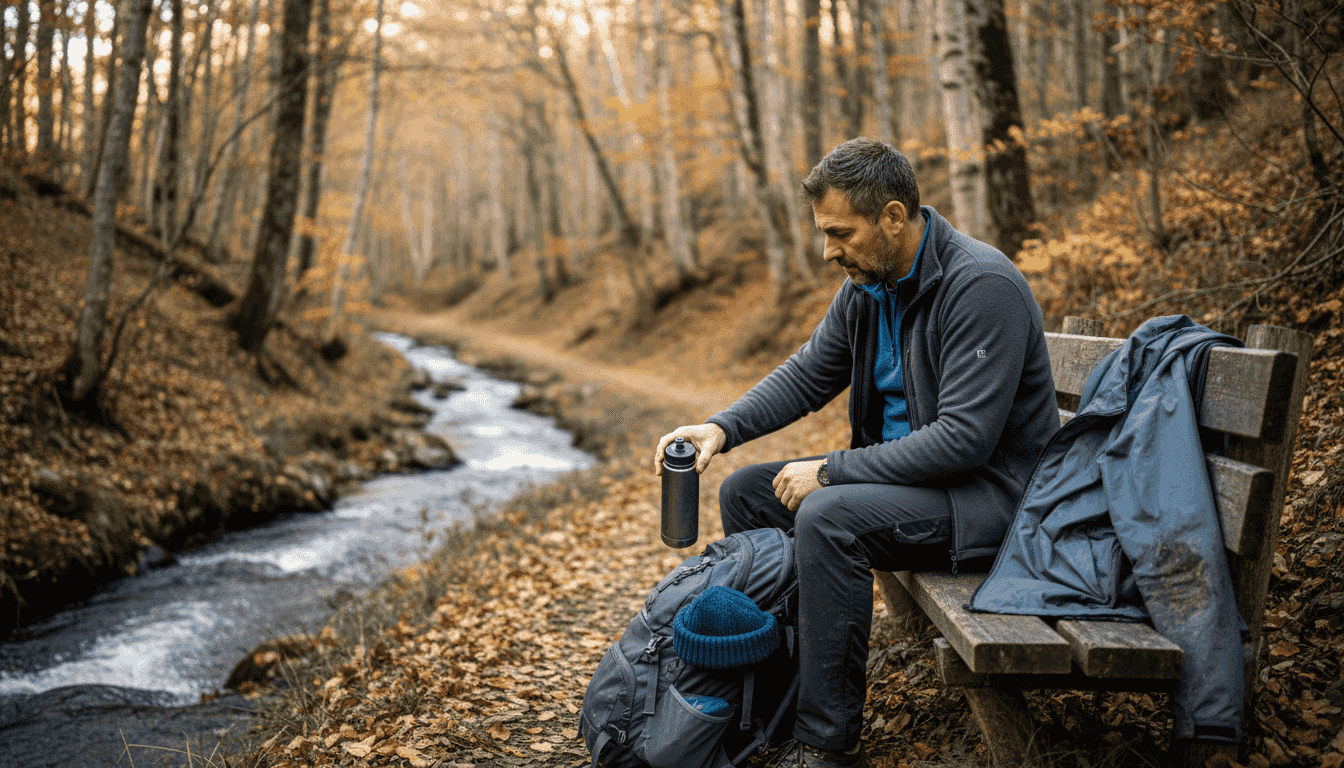
The insulation and shell layers provide additional protection, with insulation layers using materials like down or synthetic fibres to retain heat, and shell layers acting as a protective barrier against wind, rain, and other environmental challenges. These layers can be added or removed depending on the changing weather and activity level, making them incredibly versatile for outdoor adventures.
To better understand hiking clothing layers, here is a summary of each layer’s primary focus and best use:
| Layer Type | Main Focus | Ideal Activity Phase | Preferred Material |
|---|---|---|---|
| Base Layer | Moisture transfer | High-exertion, all seasons | Merino wool, synthetics |
| Mid Layer | Heat retention | Cool, moderate temperatures | Fleece, wool |
| Insulation Layer | Maximum warmth | Cold or rest periods | Down, synthetic insulation |
| Shell Layer | Weather protection | Wind, rain, variable weather | Breathable synthetic membranes |
Pro tip: Choose layer materials that complement each other, ensuring each piece works effectively to manage moisture and temperature throughout your hike.
Choosing the Right Materials for Layers
Selecting appropriate materials for hiking layers is crucial for maintaining comfort and performance in outdoor environments. Wool and synthetic fabrics offer distinct advantages that can significantly impact a hiker’s experience across varying weather conditions.
The key materials for hiking layers include:
-
Merino Wool
- Excellent natural temperature regulation
- Moisture-wicking properties
- Naturally odour-resistant
- Biodegradable and sustainable
-
Synthetic Fabrics
- Quick-drying polyester and nylon
- Lightweight and durable
- Superior moisture management
- More affordable than natural fibres
-
Down
- Exceptional warmth-to-weight ratio
- Highly compressible
- Ideal for insulation layers
-
Fleece
- Rapid moisture evaporation
- Retains warmth even when damp
- Lightweight and breathable
Merino wool stands out as a premium material for base and mid layers, offering remarkable temperature adaptability. Its natural fibres can keep hikers warm in cold conditions while remaining breathable during more intense physical activity. Synthetic materials like polyester and nylon complement wool, providing robust moisture-wicking capabilities and durability that are essential for challenging outdoor environments.
For outer layers, technical synthetic membranes offer superior wind and water resistance. The combination of these materials allows hikers to create a versatile clothing system that adapts to changing weather conditions, ensuring comfort and protection throughout their adventure.
Here is a comparison of popular hiking clothing materials and their relative advantages:
| Material | Quick-Drying | Odour Resistance | Sustainable | Cost Level |
|---|---|---|---|---|
| Merino Wool | Moderate | Excellent | Yes | Higher |
| Polyester | High | Low | No | Lower |
| Nylon | High | Low | No | Moderate |
| Down | Low if wet | Neutral | Often | High |
| Fleece | High | Neutral | Sometimes | Moderate |
Pro tip: Invest in high-quality, multipurpose materials that offer versatility across different hiking conditions and temperatures.
Weather Adaptation and Safety Benefits
Hiking in the United Kingdom demands clothing systems that can rapidly respond to unpredictable weather conditions. Climate adaptation strategies through intelligent layering provide critical safety mechanisms for outdoor enthusiasts, enabling quick thermal regulation and protection.
The safety benefits of effective layering include:
-
Temperature Regulation
- Prevents hypothermia in cold conditions
- Reduces risk of heat stress during intense activity
- Allows rapid adjustment to environmental changes
-
Moisture Management
- Wicks sweat away from skin
- Prevents chilling from damp clothing
- Maintains body temperature stability
-
Protection from Elements
- Shields against wind and rain
- Provides insulation in extreme conditions
- Offers flexible defence against environmental challenges
Understanding how layers interact is crucial for maintaining personal safety. Each layer serves a specific protective function, creating a dynamic system that responds to physical exertion and environmental shifts. By strategically combining materials with different thermal and moisture-management properties, hikers can create a personal microclimate that adapts seamlessly to changing outdoor conditions.
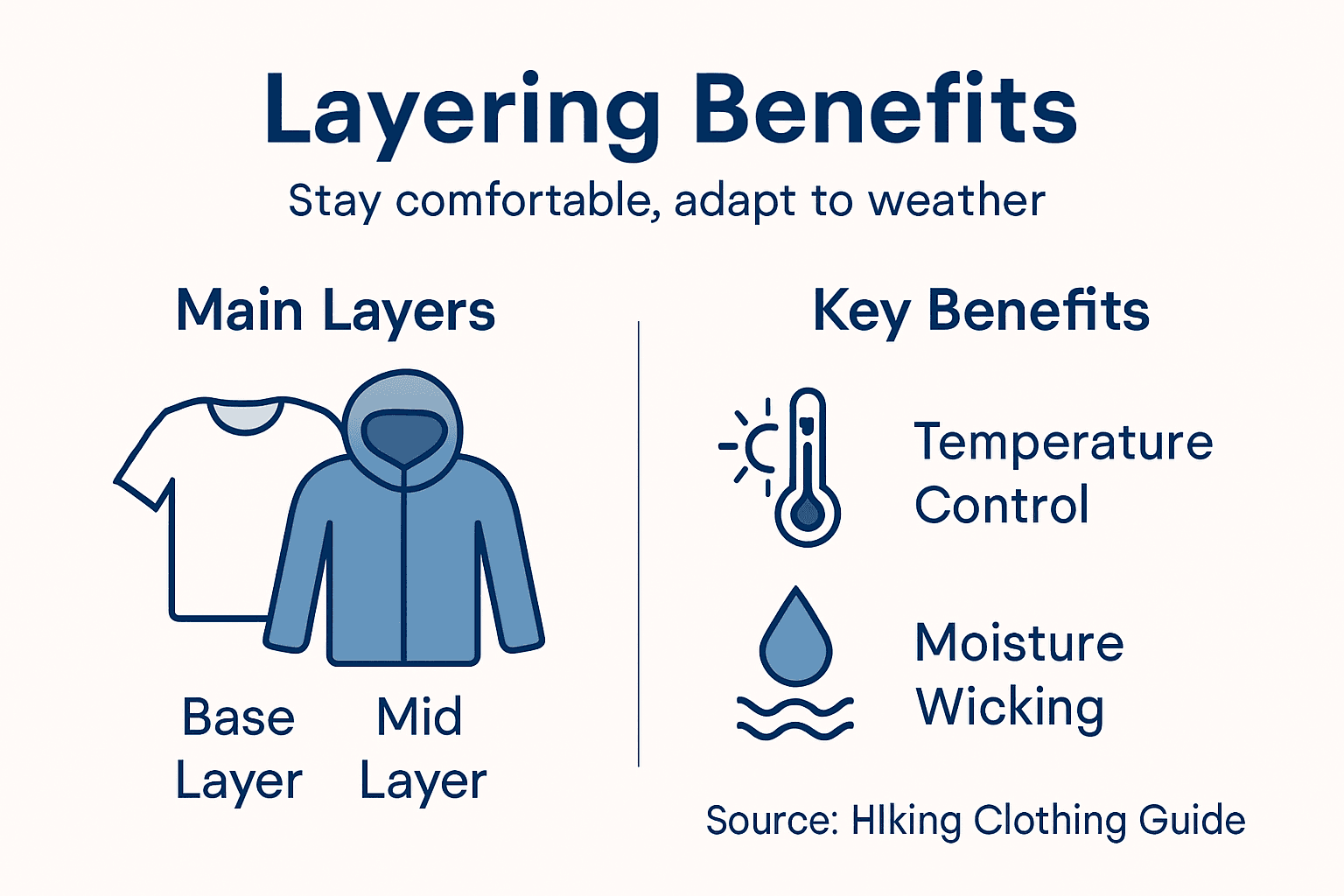
Moreover, proper layering goes beyond comfort—it’s a critical risk management strategy. Sudden temperature drops, unexpected rainfall, or increased physical intensity can quickly compromise body temperature, potentially leading to dangerous health situations. A well-designed layering system provides a protective buffer against these environmental uncertainties.
Pro tip: Always pack an emergency lightweight insulation layer, even on seemingly mild hiking days, to ensure you’re prepared for unexpected weather changes.
Avoiding Common Layering Mistakes
Hikers often encounter challenges when attempting to layer clothing effectively, with many falling prey to common misconceptions that can compromise comfort and safety. Layering mistakes can significantly impact outdoor performance, making it crucial to understand and avoid these pitfalls.
The most frequent layering errors include:
-
Fabric Selection Errors
- Using cotton as a base layer
- Ignoring moisture-wicking properties
- Choosing materials that retain sweat
-
Temperature Management Mistakes
- Over-layering leading to excessive sweating
- Under-layering causing insufficient insulation
- Failing to adjust layers during activity
-
Ventilation and Breathability Issues
- Wearing non-breathable waterproof shells
- Blocking moisture escape routes
- Trapping internal body heat
Understanding the dynamic nature of body temperature during hiking is essential. Different activities and terrain require nuanced layer adjustments. For instance, during uphill climbs, hikers generate significant body heat, necessitating quick layer removal to prevent overheating and excessive perspiration. Conversely, during rest periods or descents, rapid cooling can occur, demanding immediate layer replacement.
Material selection plays a critical role in avoiding layering mistakes. Cotton, while comfortable in casual settings, becomes dangerous in outdoor environments by absorbing and retaining moisture. This can lead to rapid heat loss and increase the risk of hypothermia, especially in challenging British weather conditions. Synthetic and wool materials offer superior moisture management and temperature regulation, making them ideal for hiking layers.
Pro tip: Practice layer adjustments during shorter walks to develop intuition about your body’s temperature responses in different conditions.
Experience Ultimate Comfort with Expert Layering from MoreSports
The challenge of mastering the perfect layering system for hiking often comes down to choosing the right materials and combining them effectively to manage moisture, temperature, and weather protection. This article highlights the importance of using base, mid, insulation, and shell layers crafted from moisture-wicking synthetics, merino wool, and reliable insulating fabrics. Many outdoor enthusiasts struggle with fabric choices that lead to discomfort and reduced safety during variable UK weather conditions. At MoreSports, we understand these pain points and offer a carefully curated range of hiking apparel designed to help you build a flexible, weather-ready wardrobe that adapts effortlessly on the trail.

Discover quality hiking layers and protective outerwear from reputable brands that keep you dry, warm, and comfortable throughout your adventure. With competitive prices, free UK delivery on orders over £25, and easy returns, there has never been a better time to upgrade your outdoor clothing system. Start exploring our hiking apparel collection today and equip yourself with trusted gear that turns challenging conditions into enjoyable experiences.
Frequently Asked Questions
What is the purpose of layering hiking clothing?
Layering hiking clothing helps manage moisture and regulate body temperature, providing comfort and protection in varying weather conditions.
What are the different layers of hiking clothing and their functions?
The different layers include the base layer (moisture management), mid layer (thermal insulation), insulation layer (additional warmth), and shell layer (weather protection).
Why is merino wool recommended for hiking clothing?
Merino wool is recommended for its excellent moisture-wicking properties, natural odour resistance, and ability to regulate temperature, making it ideal for base and mid layers.
How can I avoid common layering mistakes while hiking?
To avoid common mistakes, ensure you don’t use cotton as a base layer, adjust your layers according to activity levels, and choose breathable materials to manage heat and moisture effectively.
Recommended
- Layering in Outdoor Clothing: UK Adventure Essentials – More Sports
- How to Layer Outdoor Clothing for Every Weather Condition – More Sports
- What Is Seasonal Sports Gear and Why It Matters – More Sports
- Workwear Layering—Adapting to UK Site Weather – More Sports
- Bicicleta tipos: Cómo elegir la adecuada según tu objetivo - Blog Ciclista