 No Duties or Customs Fees For EU & UK Customers
 Express Tracked UK Delivery On 1000s of Items
 90 Day Returns

Layering in Outdoor Clothing: UK Adventure Essentials
BLGYou set off early, skies clear over the Scottish Highlands, only to be caught in a gusty rain shower an hour later. The unpredictability of British weather can catch even the most prepared adventurers off guard, making reliable layering more than just a comfort—it’s a necessity. Mastering the art of layered clothing lets you control moisture, regulate temperature, and stay protected whatever the day throws at you, ensuring every outing across the British countryside remains enjoyable from the first step to the last.
Table of Contents
- What Is Layering In Outdoor Clothing
- Types And Functions Of Clothing Layers
- Material Choices For British Weather
- Layering For Varied Activities And Conditions
- Risks Of Poor Layering And Common Mistakes
Key Takeaways
| Point | Details |
|---|---|
| Layering is Essential | Proper layering helps manage moisture, temperature, and protection against the elements, crucial for the UK’s unpredictable weather. |
| Three Primary Layers | The system consists of a Base Layer for moisture management, a Mid Layer for insulation, and an Outer Layer for environmental protection. |
| Material Selection is Key | Choose breathable, quick-drying, and durable materials to optimise comfort and performance in varying conditions. |
| Avoiding Common Mistakes | Be mindful of overdressing and underdressing to prevent hypothermia and ensure proper temperature regulation during activities. |
What Is Layering In Outdoor Clothing
Layering in outdoor clothing is a strategic approach to dressing that allows adventurers to adapt quickly to changing weather conditions while maintaining optimal body temperature and comfort. By wearing multiple thin, adaptable garments instead of one thick layer, hikers and outdoor enthusiasts can easily adjust their clothing to match the dynamic British landscape and unpredictable climate.
The fundamental concept of layering revolves around three primary clothing layers, each serving a specific functional purpose:
- Base Layer: Sits directly against the skin, managing moisture and providing initial thermal regulation
- Mid Layer: Provides primary insulation, trapping warm air close to the body
- Outer Layer: Protects against wind, rain, and external environmental conditions
Understanding layering is crucial for UK adventurers, where weather can change dramatically within hours. How outdoor clothing adapts to conditions becomes essential knowledge for anyone spending time in the British countryside, whether hiking in the Scottish Highlands or exploring coastal trails.
Each layer works synergistically to manage three critical factors: moisture management, temperature regulation, and protection from external elements. The genius of layering lies in its flexibility - you can add or remove layers quickly without compromising your overall comfort or mobility.
Why Layering Matters:
- Prevents overheating during active movements
- Allows rapid adaptation to temperature shifts
- Provides customisable protection against varied weather conditions
- Improves overall outdoor performance and comfort
Effective layering transforms your outdoor clothing from a static outfit into a dynamic system of personal climate control.
Pro tip: Always pack an extra lightweight mid-layer in your rucksack, even if the forecast looks promising - British weather is notoriously unpredictable.
Types And Functions Of Clothing Layers
Outdoor clothing layers are meticulously designed to create a comprehensive protection system that adapts to changing environmental conditions. Layered clothing fundamentals reveal a strategic approach that goes beyond simple temperature management, providing adventurers with a dynamic clothing solution for unpredictable British weather.
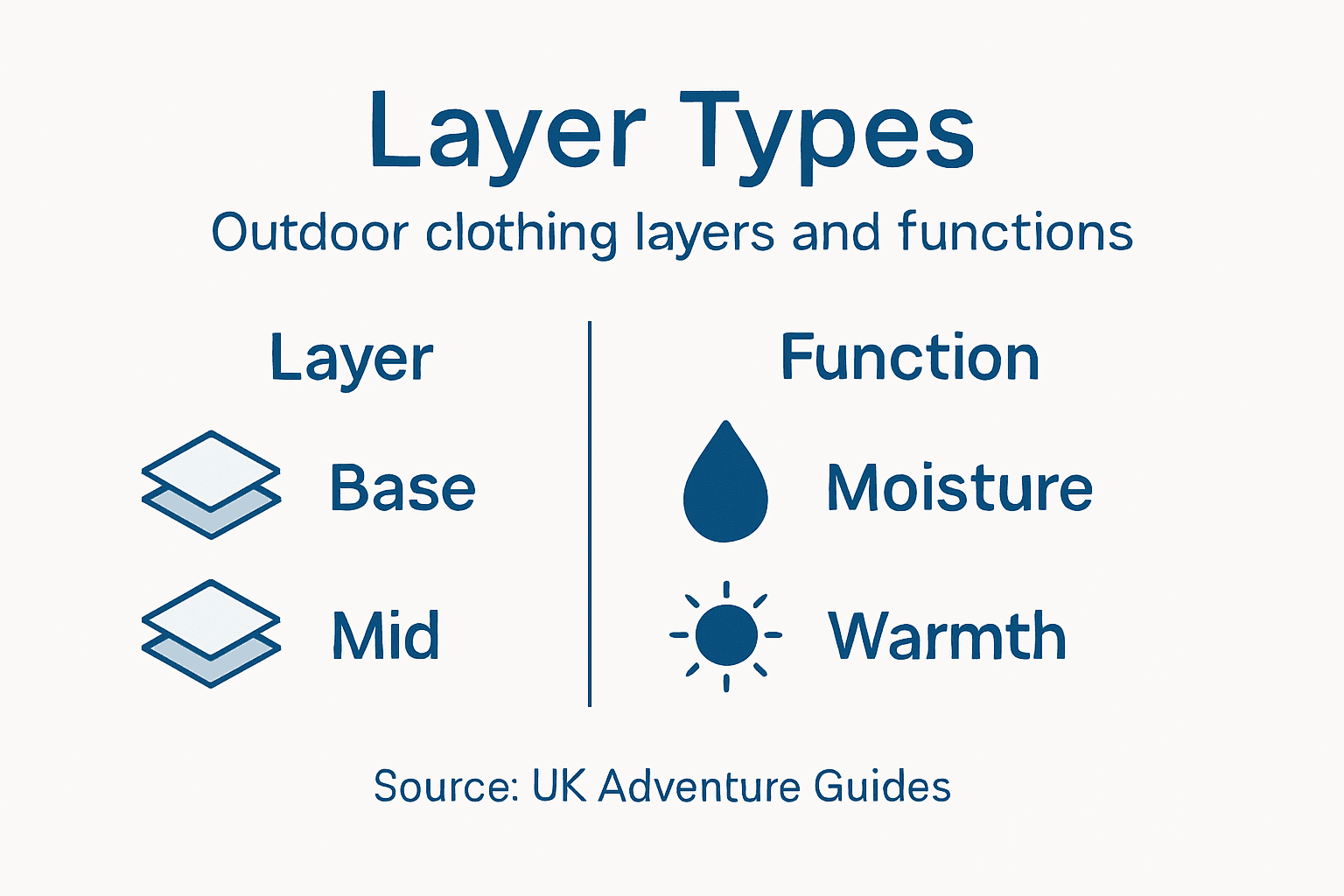
The three primary clothing layers each serve distinct and complementary functions:
-
Base Layer: Moisture management and initial thermal regulation
- Made from synthetic materials or merino wool
- Sits directly against the skin
- Wicks sweat away to keep the wearer dry
-
Mid Layer: Primary insulation and heat retention
- Typically constructed from fleece, wool, or lightweight down
- Traps warm air close to the body
- Provides crucial thermal protection
-
Outer Layer: Environmental protection and weather resistance
- Shields against wind, rain, and external elements
- Breathable yet waterproof materials
- Designed to repel moisture while allowing internal heat and perspiration to escape
Understanding the specific role of each layer is crucial for maintaining comfort and performance during outdoor activities. The base layer acts as a critical moisture management system, preventing dampness that could lead to rapid heat loss. Mid layers create an insulating barrier, while outer layers provide comprehensive protection against harsh environmental conditions.
The effectiveness of layering lies not just in individual layer performance, but in their seamless interaction and adaptability.
The selection of materials for each layer is equally important. Modern technical fabrics have revolutionised outdoor clothing, offering lightweight, high-performance options that provide superior protection compared to traditional materials. Synthetic fabrics like polyester and nylon, alongside natural fibres such as merino wool, offer exceptional moisture-wicking and thermal regulation properties.
Key Considerations for Layer Selection:
- Consider activity intensity and expected weather conditions
- Choose breathable, quick-drying materials
- Ensure layers can be easily added or removed
- Prioritise comfort and mobility
Pro tip: Invest in high-quality, versatile layers that can be mixed and matched - your outdoor clothing system should be as adaptable as the British landscape itself.
Material Choices For British Weather
Choosing the right materials for outdoor clothing is critical in the UK’s notoriously challenging climate. British outdoor clothing manufacturers have developed sophisticated fabric technologies that balance durability, moisture management, and comfort across varied terrains and weather conditions.
The primary material considerations for outdoor clothing in the British landscape include:
-
Natural Fibres:
- Merino wool for temperature regulation
- Superior moisture-wicking properties
- Naturally odour-resistant
-
Synthetic Materials:
- Polyester and nylon for quick-drying performance
- Lightweight and durable
- Enhanced water-resistance
-
Technical Membranes:
- Gore-Tex for comprehensive waterproofing
- Breathable fabrics that prevent internal moisture buildup
- Wind-resistant properties
Waxed cotton remains a quintessentially British fabric, offering exceptional water resistance and durability that reflects the country’s outdoor heritage. Modern technical fabrics have built upon this traditional approach, incorporating advanced membrane technologies that provide superior protection against the unpredictable British elements.
The ideal outdoor material doesn’t just protect - it adapts to your body’s changing needs across diverse environmental conditions.
Moisture management is particularly crucial in the UK’s humid climate. Fabrics that wick sweat quickly, regulate temperature, and dry rapidly can make the difference between a comfortable outdoor experience and a miserable one. Synthetic and wool blends offer the best compromise, providing thermal regulation, moisture control, and lightweight performance.
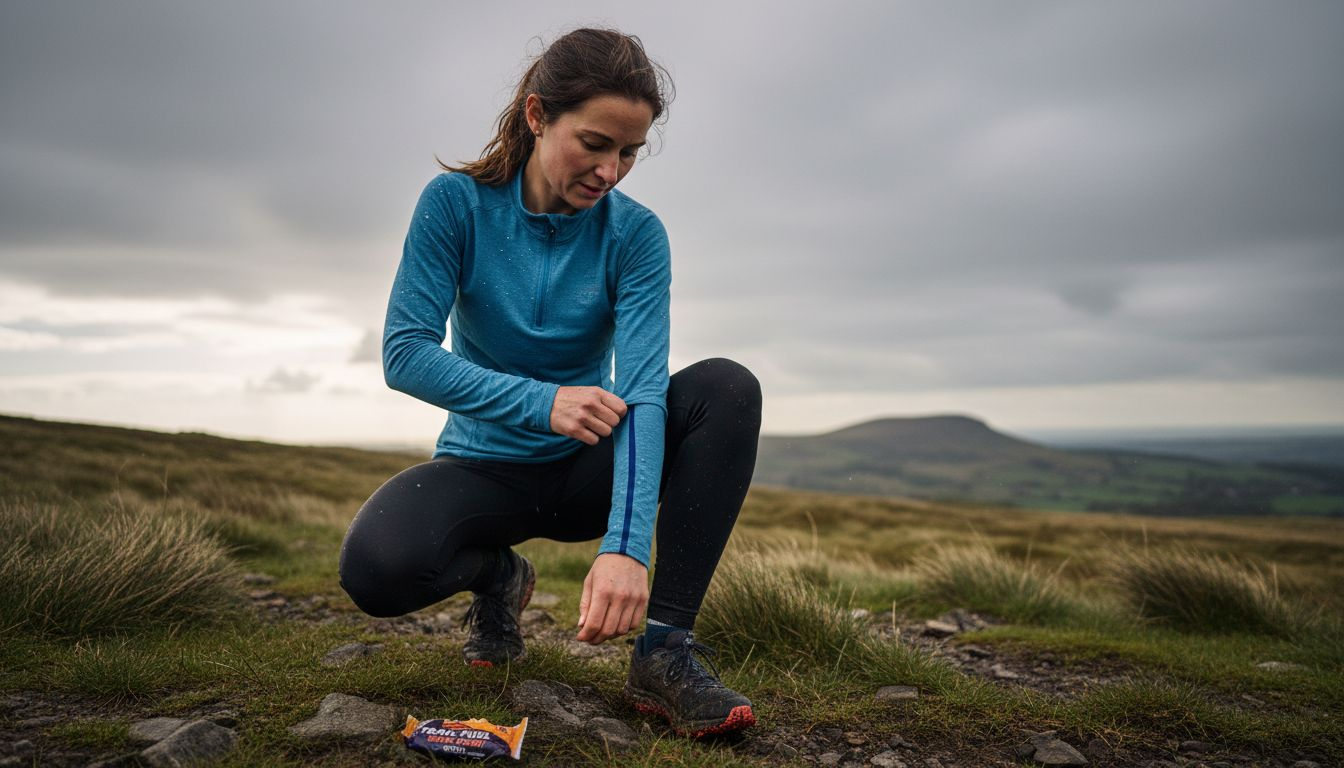
Key Material Selection Criteria:
Here is a comparison of typical materials used for each clothing layer in outdoor systems:
| Layer Type | Common Materials | Key Strength | Potential Weakness |
|---|---|---|---|
| Base Layer | Merino wool, polyester | Rapid moisture wicking | Can retain odour if synthetic |
| Mid Layer | Fleece, wool, down | Effective insulation | Bulky if not packable |
| Outer Layer | Gore-Tex, waxed cotton | Full weather protection | May restrict breathability |
- Water resistance
- Breathability
- Quick-drying properties
- Durability in wet conditions
- Lightweight construction
Pro tip: Invest in versatile, technical fabrics that can handle multiple layers and rapidly changing British weather conditions.
Layering For Varied Activities And Conditions
Layering strategies must be dynamically adapted to match specific outdoor activities and the unpredictable British environment. Guided outdoor adventure strategies reveal that different pursuits demand unique approaches to clothing management and thermal regulation.
Activity-Specific Layering Requirements:
-
Hiking and Rambling:
- Breathable base layers
- Mid-weight fleece for insulation
- Waterproof outer shell
- Moisture-wicking fabrics
-
Mountain Biking:
- Windproof jackets
- Stretchy, quick-drying materials
- Enhanced ventilation zones
- Lightweight, compact layers
-
Water Sports:
- Rapid-drying synthetic materials
- Water-resistant outer layers
- Thermal protection for cold water environments
- Flexible, non-restrictive designs
Seasonal variations play a crucial role in layering effectiveness. Winter adventures require more substantial insulation, with additional thermal layers and windproof outer shells, while summer activities demand lighter, more breathable configurations that prevent overheating during high-intensity movements.
The art of layering is about creating a personalised microclimate that adapts seamlessly to your body’s changing needs and environmental challenges.
The key to successful layering lies in understanding the interplay between your activity level, expected weather conditions, and the specific thermal properties of different fabrics. Synthetic materials often provide superior moisture management for high-energy activities, while natural fibres like merino wool offer exceptional temperature regulation and odour resistance.
Layering Strategy Principles:
- Match layers to activity intensity
- Prioritise moisture management
- Consider wind and precipitation
- Allow for easy layer adjustments
- Select versatile, multi-purpose garments
Pro tip: Invest in a lightweight, packable outer shell that can be quickly deployed when British weather inevitably shifts from sunny to rainy.
This summary table outlines optimal layering strategies for various outdoor activities and British weather:
| Activity | Ideal Layering Approach | Special Consideration |
|---|---|---|
| Hillwalking | All three layers, adaptable | Carry fast-drying mid-layer |
| Mountain biking | Focus on ventilation layers | Lightweight windproof shell |
| Coastal walking | Emphasise water resistance | Breathable, windproof outer shell |
| Winter camping | Extra mid/thermal layer | Insulating layers, waterproof shell |
Risks Of Poor Layering And Common Mistakes
Understanding the potential pitfalls of improper clothing layering is crucial for maintaining comfort and safety during outdoor adventures in the UK’s challenging environment. Seasonal sports gear considerations highlight the importance of strategic clothing choices to prevent potential health risks and performance limitations.
Common Layering Mistakes to Avoid:
-
Overdressing:
- Traps excessive moisture
- Leads to rapid overheating
- Increases risk of hypothermia through wet clothing
-
Underdressing:
- Insufficient protection against cold
- Increased vulnerability to wind chill
- Higher risk of exposure-related health issues
-
Incorrect Material Choices:
- Cotton retains moisture
- Non-breathable fabrics cause temperature regulation problems
- Lack of moisture-wicking properties
Hypothermia remains a significant risk for outdoor enthusiasts who fail to manage their clothing layers effectively. The human body generates heat during physical activity, but inappropriate layering can quickly transform that warmth into a dangerous cooling mechanism, particularly in the damp and unpredictable British climate.
Poor layering is not just a comfort issue - it can become a critical safety concern in challenging outdoor environments.
Physiological risks extend beyond temperature-related concerns. Inappropriate layering can lead to significant performance limitations, reducing mobility, increasing fatigue, and potentially compromising overall outdoor experience. The body’s natural thermoregulation becomes disrupted when clothing fails to manage moisture and temperature effectively.
Potential Health and Performance Risks:
- Increased susceptibility to hypothermia
- Reduced physical performance
- Higher risk of muscular strain
- Compromised immune response
- Potential respiratory complications
Pro tip: Always pack a lightweight emergency layer and learn to recognise early signs of temperature mismanagement during your outdoor adventures.
Master Outdoor Layering With Gear That Performs When It Matters Most
Navigating the unpredictable British weather demands more than just knowledge about layering - it requires access to reliable outdoor clothing and equipment that keeps you comfortable and protected all day. Whether you are battling sudden rain on a Scottish hill walk or managing moisture under changing activity levels, the right base, mid, and outer layers make all the difference.

Explore a meticulously curated selection of hiking and outdoor apparel at MoreSports designed specifically for the UK adventurer who values moisture management, breathability, and adaptable layering. From insulating mid layers to waterproof outer shells and quick-drying base garments, your personalised layering system starts here. Visit MoreSports today to gear up with quality brands trusted for enduring the British elements and take control of your outdoor experience now.
Frequently Asked Questions
What are the three main layers in outdoor clothing?
The three main layers in outdoor clothing are: Base Layer, which manages moisture and temperature; Mid Layer, which provides insulation; and Outer Layer, which protects against wind and rain.
Why is moisture management important when layering outdoor clothing?
Moisture management is crucial as it prevents the accumulation of sweat, which can lead to rapid cooling of the body and increase the risk of hypothermia in cold or damp conditions.
How can I choose the right materials for my outdoor clothing layers?
Select materials based on activity intensity and weather conditions. Natural fibres like merino wool offer great moisture-wicking and temperature regulation, while synthetic materials like polyester and nylon are excellent for quick-drying and water resistance.
What are the risks of poor layering in outdoor activities?
Poor layering can lead to overheating, resulting in discomfort and reduced performance, or underdressing can leave you vulnerable to cold conditions, increasing the risk of hypothermia and other exposure-related health issues.
Recommended
- What Is Seasonal Sports Gear and Why It Matters – More Sports
- How to Layer Outdoor Clothing for Every Weather Condition – More Sports
- Impact of Climate on Workwear Choices in the UK – More Sports
- Workwear Insulation – Enhancing Safety on Site – More Sports
- Layering Like a Pro: How to Wear Your Beach Shirt as a Summer Outerwear