 No Duties or Customs Fees For EU & UK Customers
 Express Tracked UK Delivery On 1000s of Items
 90 Day Returns

Best Golf Drivers For Beginners 2025: UK Top Picks & Guide
R YBest Golf Drivers For Beginners 2025: UK Top Picks & Guide
Picking your first driver can feel overwhelming. You want something forgiving that gets the ball airborne without punishing every mishit, but the sheer number of options and technical specifications makes it hard to know where to start. Add in budget concerns and you might wonder whether a premium model is worth the investment or if last year's design offers better value.
This guide cuts through the confusion with our top picks for beginner drivers available in the UK for 2025. You'll find detailed reviews of eight models that excel at forgiveness and ease of use, from the ultra forgiving TaylorMade Qi35 Max to the lightweight Cobra Air X. We'll explain which features matter most when you're starting out, how to match a driver to your swing speed, and practical setup advice that helps you get the most from your purchase. Whether your budget stretches to the latest release or you're hunting for smart value, you'll finish reading with a clear shortlist and confidence in your choice.
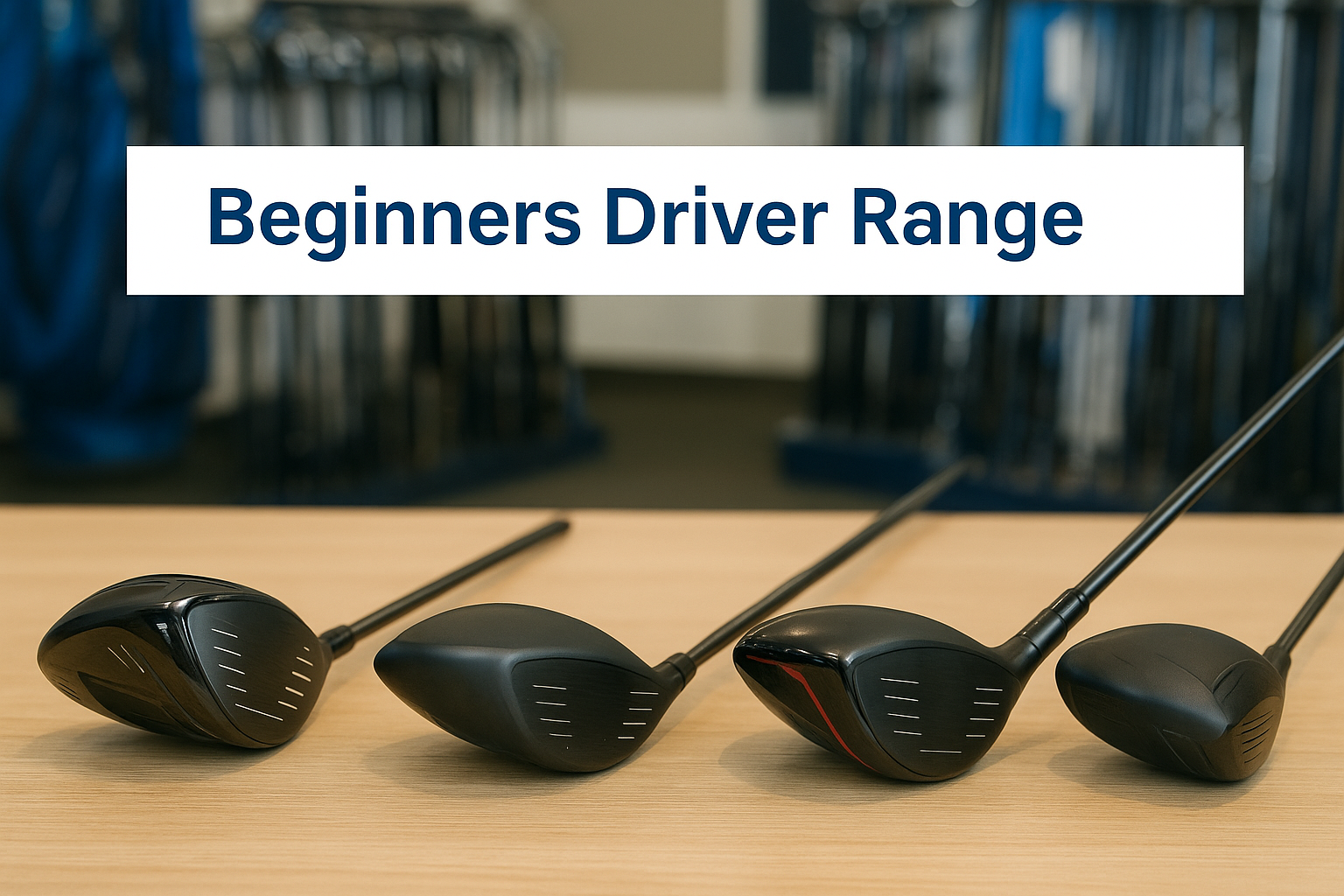
1. More Sports beginner driver range
More Sports stocks a curated selection of forgiving driver models from leading brands that suit golfers just starting out. You'll find high MOI designs and draw biased heads that help reduce slices, all at competitive UK prices with the convenience of free delivery over £25.
Why buy your first driver from More Sports
Choosing More Sports means you get access to authentic branded drivers with a 90 day return policy that lets you test your purchase with confidence. Their 99.9% positive feedback rating and 4.8 Google Reviews score reflect consistent customer satisfaction, while their Coleraine store offers in person advice if you're nearby.
Brands and beginner friendly models available
You can shop from TaylorMade, Callaway, Ping, Cobra, Mizuno and Wilson within the beginner friendly category. More Sports highlights max forgiveness lines like the TaylorMade Qi35 Max, Ping G440 series and Cobra DS Adapt range, making it easier to spot which models prioritise launch and stability over workability.
How to narrow your shortlist on the site
Use the brand and price filters on the left sidebar to refine your search by budget. Sorting by newest arrivals first shows you the 2025 models, while customer reviews beneath each product give real world feedback on forgiveness and feel.
UK delivery, returns and payment options
Orders over £25 ship free throughout the UK, with worldwide shipping available for international buyers. You can split payments using Klarna if you prefer spreading the cost, and the 90 day return window covers unused items with original packaging intact.
Tips for using filters, size guides and specs
Check the loft and shaft flex options listed in each product dropdown before adding to your basket. More Sports displays club specifications in the description tab, including head volume and adjustability features, so you can match your swing speed and preferred shot shape without guessing.
2. TaylorMade Qi35 Max driver
The TaylorMade Qi35 Max brings 10,000 MOI forgiveness to your tee shots with a chromium carbon crown that reduces weight and redistributes mass to the perimeter for exceptional stability. You get consistent ball speed across the entire face, which means mishits still travel respectable distances while your solid strikes deliver maximum carry. TaylorMade designed this driver specifically for golfers who want to find more fairways without sacrificing distance, making it one of the best golf drivers for beginners available in 2025.
Key tech and forgiveness features
The chromium carbon face wraps around the crown to save weight that moves low and back for a deeper centre of gravity. This low CG projection launches the ball high with reduced spin, so you achieve better trajectory control even when your swing path wanders. TaylorMade's Infinity Carbon Crown technology creates a larger sweet spot that protects your distance on heel and toe strikes, which happens often when you're still refining your swing mechanics.
Why the Qi35 Max suits new golfers
You'll appreciate how the oversized head shape inspires confidence at address without looking intimidating or unwieldy. The maximum forgiveness design corrects moderate swing errors automatically, keeping your drives playable when you miss the centre by a few millimetres. Launch monitor data shows the Qi35 Max maintains 83% of centre strike distance on toe hits, far better than compact tour heads that punish beginners harshly.
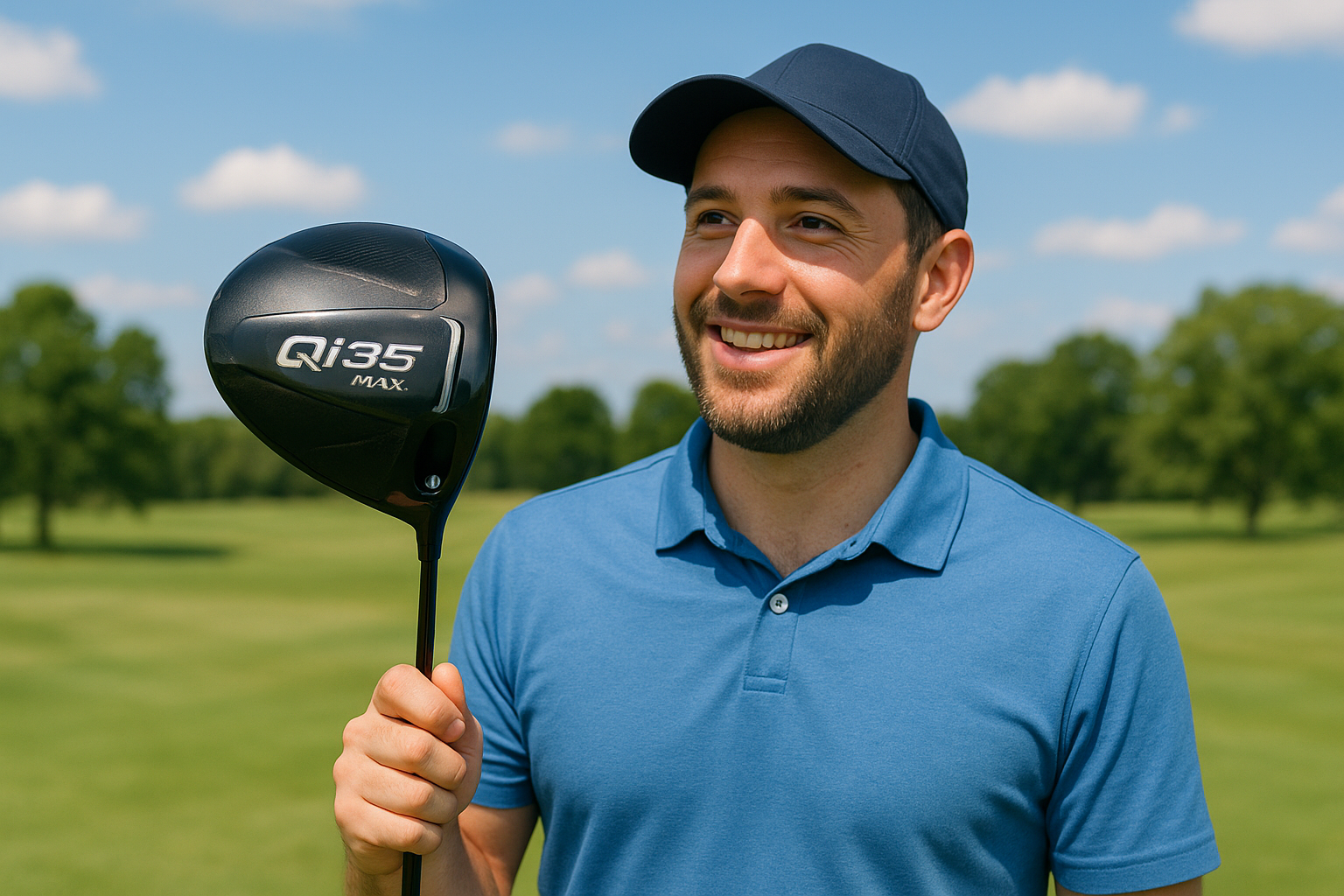
"The Qi35 Max converted my mediocre swings into drives either in the fairway or just off with a good shot into the green."
Best loft and shaft choices for beginners
Start with the 10.5° or 12° loft options if your swing speed sits below 95mph, as higher loft helps you achieve optimal launch angle without needing perfect technique. Pair your driver with a regular or senior flex shaft depending on your tempo, choosing lighter profiles around 50-60 grams that encourage faster clubhead speed through impact.
Pros and cons to weigh up
The Qi35 Max excels at consistent performance across the face and delivers premium sound at impact, but you'll pay top tier pricing for these benefits. Some golfers find the large footprint takes adjustment if you prefer compact heads, though most beginners embrace the added confidence. Distance remains competitive with tour models when you strike it well, so you won't outgrow this driver quickly as your handicap drops.
Ideal swing types and shot shapes
This driver suits moderate to slower swing speeds between 75-100mph where forgiveness matters more than precise shot shaping. You'll see a gentle draw bias built into the weighting that helps counteract slices without forcing hooks, making it ideal if you tend to push or fade your drives. Golfers with smoother, sweeping swing paths benefit most, though the high MOI accommodates steeper attack angles that beginners often produce.
Typical UK pricing and value in 2025
Expect to pay £529-599 for the TaylorMade Qi35 Max through More Sports, positioning it at the premium end of beginner driver options. You get exceptional build quality and TaylorMade's latest face technology for that investment, plus strong resale value if you decide to upgrade in two years. Consider this pricing fair given the 4.8/5 customer rating from 273 reviews and the performance improvements over previous generation models.
3. Callaway Elyte X driver
The Callaway Elyte X delivers explosive ball speed and ample forgiveness through an advanced face design that maintains distance across a wide hitting area. You get a 13g movable weight at the rear of the head that shifts between neutral and draw bias positions, giving you control over shot shape as your swing develops. Callaway built this model for golfers who need maximum help getting the ball airborne while still wanting respectable distance numbers, making it a strong contender among the best golf drivers for beginners in 2025.
Design and face technology explained
Callaway's Smart Face concept tailors the face thickness and curvature to optimise ball speed on common mishit locations rather than just the sweet spot. The thermoforced carbon crown saves weight that moves low and back for improved launch characteristics, while enhanced aerodynamics reduce drag through impact for faster clubhead speed. You'll notice the slightly larger footprint inspires confidence without overwhelming you at address, though the cosmetics lean towards functional rather than premium styling.
How the Elyte X helps with distance
Launch monitor testing shows the Elyte X produces 163.9mph ball speed and 282.2 yards carry with professional level swings, translating to impressive distance gains when you catch it well. The high energy face maintains velocity on toe and heel strikes better than compact heads, so your typical drives still reach useful yardages. Callaway achieves this through variable face thickness that flexes more in off centre zones, protecting your distance when your strike pattern wanders.
"The ball jumps off the face with a springy, solid feeling that makes even moderate swings feel powerful."
Forgiveness, launch and spin for learners
You'll appreciate how the low and back centre of gravity launches your drives on a climbing trajectory without needing perfect swing mechanics. The Elyte X generates mid level spin rates around 2,585rpm that provide flight stability without ballooning, ideal when you're still refining attack angle. Testing reveals consistent launch angles across the face that keep your drives playable even when contact quality varies from shot to shot.
Who will benefit most from this model
This driver suits moderate swing speeds between 85-105mph where forgiveness and launch assistance matter more than precise workability. You'll see the most benefit if you struggle with slices or pushes, as the adjustable weight helps straighten out your ball flight without forcing overdraw. Golfers who want premium performance technology without needing tour level consistency find the Elyte X delivers the right balance.
Recommended setups for slower swing speeds
Choose the 10.5° or 12° loft options if your driver speed sits below 95mph, pairing it with a regular flex shaft in the 50-60 gram range. Position the rear weight towards the heel for maximum draw bias if you fade or slice your drives consistently, moving it neutral once your swing path improves. Lighter shaft profiles around 50 grams help you generate faster clubhead speed without forcing your tempo.
Price band and where to buy in the UK
More Sports lists the Callaway Elyte X at £569-599, placing it squarely in premium territory alongside the TaylorMade and Ping flagship models. You pay for Callaway's latest face technology and the versatility of adjustable weighting, though the mediocre cosmetics might not justify the cost for some beginners. Customer ratings average 4.8 out of 5 from 32 reviews, suggesting buyers appreciate the performance despite the plain appearance.
4. Ping G440 Max driver
The Ping G440 Max achieves near 10,000 MOI through a thinner face construction and strategic weight distribution that creates exceptional stability at impact. You get premium distance retention on mishits alongside improved ball speed compared to previous G430 models, making this driver a compelling choice for beginners who need consistency. Ping refined the cosmetics with a sleeker profile while maintaining the forgiveness that made earlier generations popular, delivering performance that works for any handicap level.
High MOI and stability in simple terms
Ping positions weight around the outer perimeter of the clubhead to resist twisting when you miss the sweet spot, which happens frequently when you're learning. The 9,900+ MOI rating means your clubface stays pointing at your target longer through impact, protecting both direction and distance on heel and toe strikes.
How it performs on off centre strikes
Launch monitor data shows the G440 Max maintains 275 yards carry with professional swings and loses minimal distance on common mishits. You'll see consistent launch angles across the face that keep your drives playable even when strike location varies, with testing revealing only 5-7 yard penalties on moderate toe hits.
Why many beginners like the G440 Max look
The refined head shape sits confidently at address without the bulky appearance of maximum forgiveness designs, helping you align the face square to your target. Ping's matte finish reduces glare and frames the ball clearly, though some golfers prefer more contrasting colours for easier visual alignment.
Setup tips for accuracy and confidence
Start with 10.5° loft paired with a regular flex shaft if your swing speed sits below 95mph, adjusting the sole weight towards the heel for gentle draw bias. Keep your setup simple initially, making changes only after several rounds reveal consistent patterns in your ball flight.
Strengths and trade offs to consider
You gain exceptional forgiveness and improved distance over older Ping models, though the premium price tag requires serious budget consideration. The sound and feel improved from the G430 generation, delivering satisfying feedback without harsh vibrations on solid strikes.
UK availability and price guidance
More Sports stocks the G440 Max at £575-599, positioning it alongside TaylorMade and Callaway flagship options as one of the best golf drivers for beginners with higher budgets. Ping's reputation for quality construction and strong resale values helps justify the investment for golfers who plan to keep their driver several seasons.
5. Ping G440 SFT driver
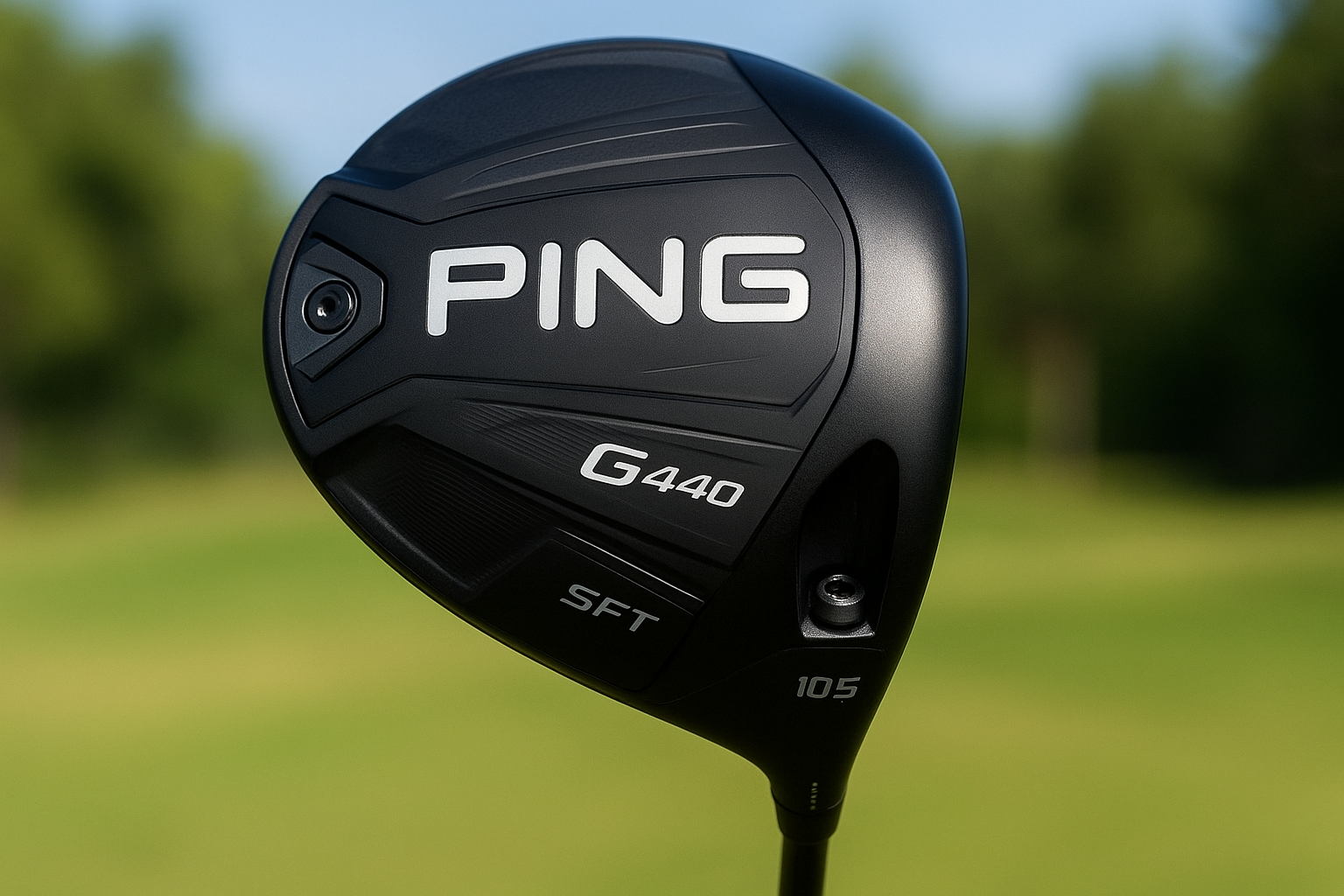
The Ping G440 SFT tackles persistent slices through heel weighted design and a neutral to draw biased setup that encourages right to left ball flight for right handed golfers. You get the same high MOI stability as the Max version but with specific weighting that helps square the face at impact, making this one of the best golf drivers for beginners who struggle with consistent left misses. Ping engineered the SFT to deliver straighter drives without requiring swing changes, letting you build confidence while you work on fundamentals with your coach.
What the SFT design does for slices
Ping positions extra weight towards the heel side of the clubhead, creating a draw bias that counters your natural tendency to leave the face open at impact. The slightly closed face angle at address appears square to your eye but actually points fractionally left, helping you start shots on target. Testing shows the G440 SFT reduces slice severity by 15-20 yards of curve compared to neutral weighted drivers, keeping your drives playable when your swing path cuts across the ball.
When to choose SFT over the Max version
Pick the SFT if you consistently slice or push your drives into trouble, especially when you've tried swing fixes without lasting improvement. The Max version suits golfers with neutral ball flights or occasional misses in both directions, while the SFT specifically targets persistent right side problems.
Best players and handicaps for this driver
You'll benefit most from the SFT if your handicap sits above 15 and your typical drive curves 20+ yards right of your target line. Golfers with moderate swing speeds between 75-95mph see the biggest improvement, as slower speeds magnify slice spin and make correction more valuable.
Adjustability and setup tips for straighter shots
Start with the 12g weight in the rear neutral position, moving it further towards the heel if your slice persists after several rounds. Choose 10.5° or 12° loft paired with a regular flex shaft to maximise launch height and reduce sidespin through higher trajectory.
Pros, cons and sound or feel notes
The G440 SFT delivers excellent forgiveness alongside effective slice correction, though the draw bias can produce hooks if your swing improves significantly. Ping's premium sound and feel rivals the Max version, offering satisfying feedback without harsh vibrations on centre strikes.
"The technology behind this driver means anyone struggling with a slice will significantly benefit."
Expected cost in the UK for 2025
More Sports prices the G440 SFT at £575-599, matching the Max version since both share similar construction quality and forgiveness levels. You're paying for specialised weighting that targets a specific ball flight problem, making this investment worthwhile if slices currently ruin your rounds.
6. Cobra DS ADAPT Max K driver
The Cobra DS-ADAPT Max K achieves 10,000 MOI forgiveness through strategic weight placement that creates exceptional stability across the entire face. You get FutureFit33 hosel technology that offers the most adjustment options in this category, letting you dial in loft, lie and face angle to match your developing swing. Cobra designed this driver for golfers who want maximum forgiveness without the oversized appearance that some maximum MOI models display, making it a smart choice among the best golf drivers for beginners who value customisation.
Main technologies and adjustability
Cobra's FutureFit33 system provides 33 unique loft and lie combinations through a simple hosel adjustment, giving you more setup flexibility than competing models. The high MOI structure maintains stability on off centre strikes while the modern profile sits confidently at address without overwhelming your alignment.
Forgiveness and launch characteristics
Launch monitor testing shows the DS-ADAPT Max K produces 276.1 yards carry with consistent mid trajectory launch that helps you achieve optimal distance. You'll see improved ball speed retention on heel and toe strikes compared to compact heads, keeping your drives playable when contact quality varies.
How to use the hosel settings as a beginner
Start with the neutral loft setting matching your swing speed requirements, making hosel changes only after several rounds reveal consistent patterns in your ball flight. Professional fitting helps you maximise the adjustment options, though the stock setup works well initially.
Who this driver fits best
This driver suits moderate swing speeds between 80-100mph where forgiveness matters alongside the ability to fine tune performance as your swing develops. You'll appreciate the adjustment range if you work regularly with a coach who can recommend specific settings.
Advantages, drawbacks and look at address
You gain exceptional adjustability and solid distance performance, though the cosmetics could offer better contrast for easier alignment. The sound and feel deliver premium feedback that rivals more expensive options.
"The club's profile isn't as large as other 10,000 MOI competitors, which might appeal more to amateur golfers seeking a more modern shape."
UK price range and value for money
More Sports stocks the DS-ADAPT Max K at £469-499, positioning it below premium TaylorMade and Ping options while delivering comparable forgiveness. You get excellent value given the adjustment capabilities and strong performance across the face.
7. Mizuno ST Max 230 driver
The Mizuno ST Max 230 delivers exceptional forgiveness through a carbon composite crown that redistributes weight low and back for improved launch characteristics. You get impressive distance retention across the face at a price point significantly below premium competitors, making this one of the best golf drivers for beginners who want performance without breaking the budget. Mizuno prioritised consistency over adjustability with this model, offering straightforward setup that helps you focus on swing fundamentals rather than endless tweaking.
Head design and weighting explained
Mizuno positions weight towards the rear perimeter of the clubhead to approach 10,000 MOI while maintaining a profile that doesn't look oversized at address. The lightweight crown construction saves mass that moves lower for higher launch angles and reduced spin, helping you achieve optimal trajectory without perfect technique.
Distance and forgiveness for higher handicaps
Launch monitor data shows the ST Max 230 produces 281.7 yards carry with consistent ball speed that rivals more expensive options. You'll see minimal distance loss on heel and toe strikes, with testing revealing only 6-8 yard penalties on moderate mishits that keep your drives playable.
Why it is a strong value choice for starters
You gain premium performance technology at roughly half the cost of flagship models from TaylorMade or Callaway. The ST Max 230 offers excellent forgiveness without requiring adjustable weights or hosel systems that complicate setup for beginners.
Ideal lofts and shaft profiles for beginners
Choose 10.5° or 12° loft options paired with regular flex shafts in the 50-60 gram range if your swing speed sits below 95mph. Mizuno's stock shaft selection provides good quality without premium upcharges that inflate costs elsewhere.
Key positives and any compromises
This driver excels at consistent distance and maintaining playable ball flights across the face, though the feel lacks the premium feedback of more expensive models. Some golfers find the impact sound slightly dull compared to Ping or TaylorMade options.
"While it falls just shy of 10,000 MOI, the R&D team made a conscious decision to trade off a slight reduction in MOI in order to enhance other areas of the clubhead."
Typical UK pricing and how it compares
More Sports lists the ST Max 230 at £299, positioning it as exceptional value among current generation drivers. You save £250-300 compared to premium options while getting 95% of the performance, making this investment sensible for beginners who want quality without overspending.
8. Wilson Dynapower Max driver
The Wilson Dynapower Max combines Wilson's highest MOI design with a larger footprint that promotes straighter drives off the tee. You get excellent accuracy and tighter dispersion on mishits at a price point that makes this driver accessible for beginners building their first proper set. Wilson focused on creating a head that keeps you playable rather than chasing maximum distance, delivering consistent results that help you find more fairways and build confidence with your driver.
What makes this a user friendly head
Wilson engineered the Dynapower Max with a wider, longer profile than standard drivers to increase the moment of inertia and resist twisting at impact. The generous sweet spot covers more of the face, protecting your distance when you miss the centre by several millimetres.
Accuracy and dispersion benefits for new golfers
Launch monitor testing shows the Dynapower Max produces 18.7 yards left to right dispersion, among the tightest patterns in this category. Your mishits stay closer to your intended line, keeping recovery shots simpler even when your swing wanders slightly off plane.
When to choose Dynapower Max over premium options
Pick this driver if you prioritise finding fairways over chasing extra yards, especially when premium models stretch your budget uncomfortably. The Dynapower Max suits golfers who need forgiveness without requiring adjustable weights or complex hosel systems.
Suggested specs for slower and mid speeds
Choose 10.5° or 12° loft with regular flex shafts around 50-60 grams if your swing speed sits between 75-95mph. Wilson's stock shaft options provide adequate performance without premium upcharges.
Strengths, weaknesses and upgrade timing
You gain exceptional accuracy and solid build quality, though overall distance lags behind Ping and TaylorMade options by 5-10 yards. Consider upgrading when your handicap drops below 15 and distance becomes more critical.
UK pricing and budget considerations
More Sports lists the Dynapower Max at £449, positioning it below premium competitors while delivering comparable forgiveness. This pricing makes sense for beginners who want reliable performance without overspending on their first driver.
9. Cobra Air X driver
The Cobra Air X weighs just 277 grams total, making it one of the lightest drivers available and specifically designed for golfers with slower swing speeds below 85mph. You get easier acceleration through impact that helps generate more clubhead speed without forcing your tempo, translating to better distance when you lack the strength or flexibility of faster swingers. Cobra built this driver for golfers who struggle getting standard weight clubs moving quickly enough, positioning it among the best golf drivers for beginners with moderate swing speeds or physical limitations.
Ultra light design and who it helps
Cobra saves weight through a carbon composite crown that's 30% thinner than previous generations, plus lightweight grip and shaft components. You'll notice easier swing control that lets you maintain your natural rhythm without fatigue through eighteen holes.
How lighter clubs affect swing speed
Reducing total club weight by 30-40 grams typically adds 3-5mph clubhead speed for golfers with slower tempos. Your increased speed generates better launch conditions and carries the ball beyond 200 yards more consistently.
Why Air X can suit seniors and newer players
This driver benefits seniors losing swing speed and beginners still developing strength and coordination. The heel biased weighting helps straighten slices without requiring perfect swing mechanics.
Recommended lofts and flexes by swing speed
Choose 11.5° or higher loft with senior flex shafts if your swing speed sits below 80mph. Swing speeds between 80-90mph work better with 10.5° and regular flex options.
Pros and cons versus heavier drivers
You gain easier acceleration and better clubhead speed, though faster swingers may find the lightweight feel unstable. The simplified design omits adjustability that complicates setup.
Expected UK prices and best use cases
More Sports stocks the Air X at £269, making it excellent value for golfers prioritising swing speed over adjustability.
10. How to choose a beginner driver
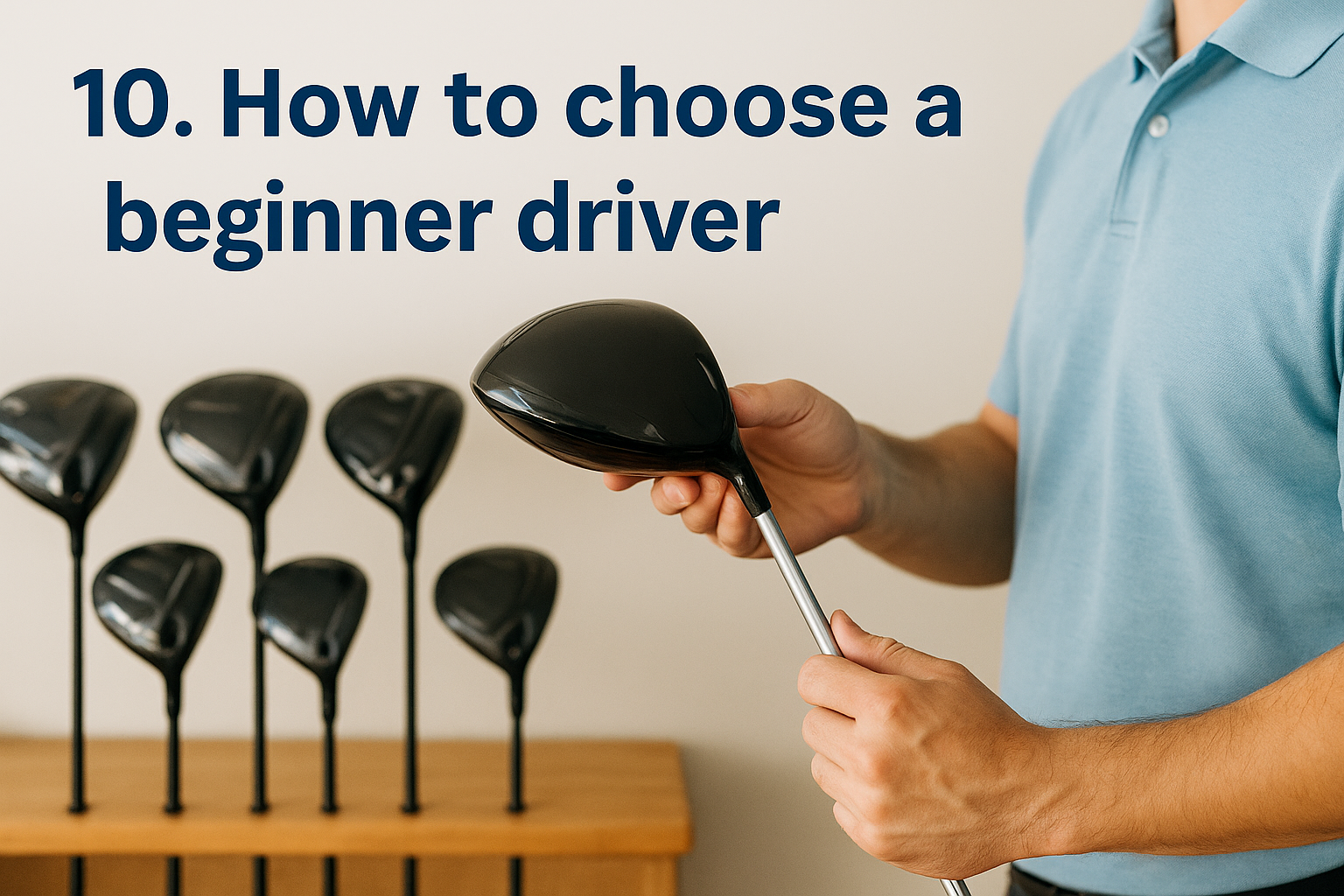
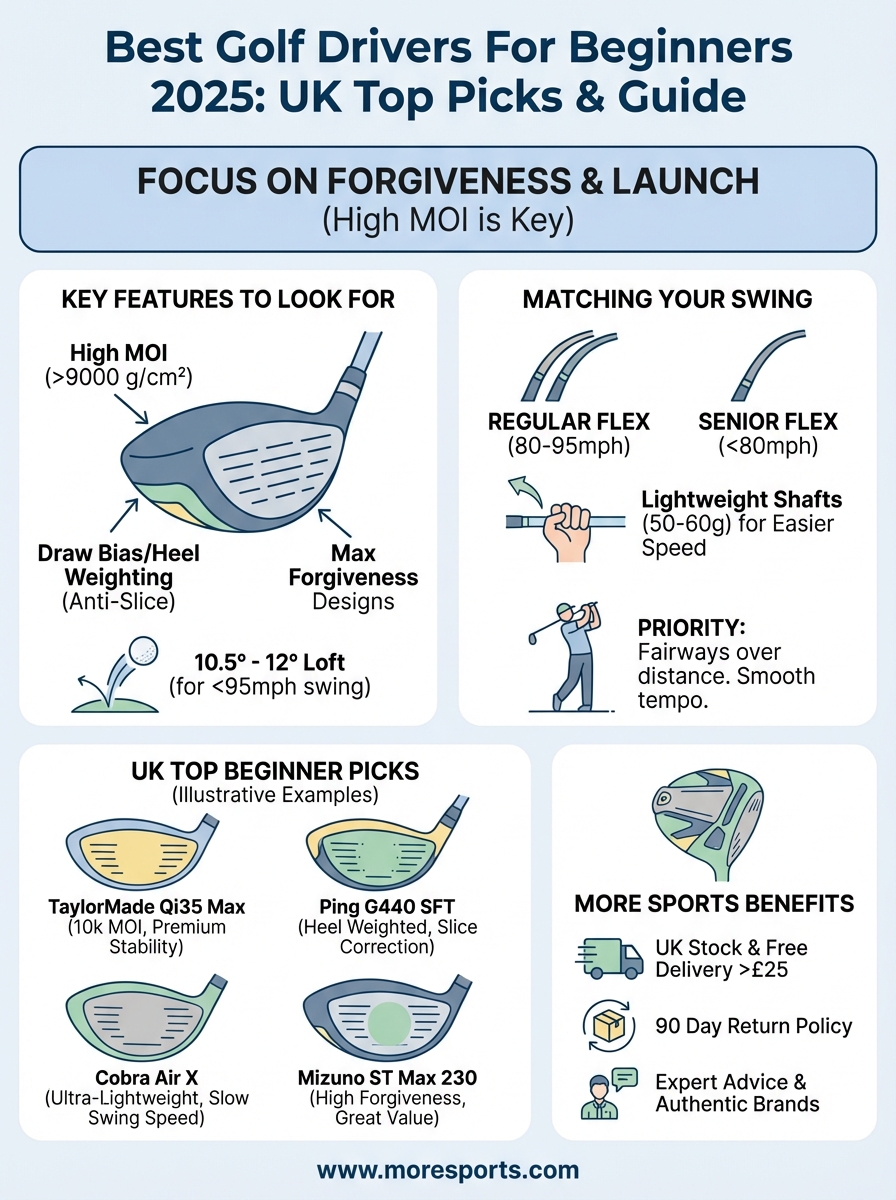
Choosing the best golf drivers for beginners requires you to prioritise forgiveness over workability and understand how specific features help you hit straighter, longer drives as your swing develops. You want a driver that covers up swing flaws while still delivering respectable distance, letting you build confidence rather than fighting constant penalties for minor mishits. Focus on three core elements first, forgiveness metrics, appropriate loft, and head characteristics, before considering brand preference or budget constraints that might push you towards the wrong club.
Start with forgiveness and MOI
Look for drivers with MOI ratings above 9,000 g/cm² that resist twisting when you miss the sweet spot by a few millimetres. You'll find this specification listed in product details or manufacturer websites, with higher numbers indicating better stability through impact. Maximum forgiveness models like the Ping G440 Max or TaylorMade Qi35 Max approach 10,000 MOI through strategic weight distribution around the perimeter, protecting both distance and direction on heel and toe strikes that happen frequently when you're learning.
Picking the right loft for easy launch
Choose 10.5° or 12° loft if your swing speed sits below 95mph, as higher loft helps you achieve optimal launch angle without perfect technique. Swing speeds between 95-105mph typically work better with 10.5°, while speeds above 105mph can consider 9° or 9.5° options. Beginners often benefit from extra loft because it adds backspin that stabilises ball flight and reduces sidespin that causes severe slices.
"Higher loft equals more forgiveness, making it easier to get the ball airborne consistently."
Choosing head shape and draw bias
Pick draw biased or heel weighted designs if you consistently slice or push your drives right of your target line. Standard neutral heads suit golfers with straight ball flights or occasional misses in both directions, while maximum forgiveness shapes offer the largest sweet spots regardless of weighting.
Balancing brand loyalty and performance
Test multiple brands rather than sticking with one manufacturer, as each company optimises forgiveness differently through their technology approach. TaylorMade, Callaway, Ping, Cobra, Mizuno and Wilson all produce excellent beginner options with distinct characteristics in sound, feel and adjustability.
Budget planning and when to buy older models
Budget £300-600 for current generation drivers, considering previous year models that drop £150-250 once replacements launch. You gain 90% of the performance at significant savings, making 2023 and 2024 drivers smart value choices when 2025 models arrive.
11. Beginner driver setup tips
Getting your driver properly configured makes a bigger difference than most beginners realise, turning a decent club into one of the best golf drivers for beginners through simple adjustments. You don't need expensive custom fitting to dial in basic specs that suit your swing, though understanding which elements matter most helps you avoid common setup mistakes that hurt consistency. Start with these fundamental adjustments before you blame poor results on your driver choice or swing mechanics.
Matching shaft flex and weight to your swing
Choose regular flex shafts if your driver swing speed sits between 80-95mph, moving to senior flex below 80mph or stiff flex above 95mph. Shaft weight affects your tempo and control, with lighter profiles around 50-60 grams helping slower swingers generate more speed while heavier options above 65 grams suit faster tempos. You can test different shaft weights by hitting demo clubs at retail stores, noticing which weight lets you maintain your natural rhythm without forcing acceleration.
Grip size, club length and lie angle basics
Standard grips work for most beginners, though you might need midsize options if you wear XL gloves or struggle controlling the clubface through impact. Driver length typically comes at 45-46 inches, with shorter lengths around 44 inches improving accuracy if you fight consistency. Lie angle matters less on drivers than irons, so leave this adjustment alone unless a professional fitter identifies specific issues.
Simple ways to check your setup at home
Place impact tape on your clubface to see where you're striking the ball, revealing whether you need loft or lie adjustments. Film your swing from down the line to check if your shaft looks too whippy or stiff through impact, watching for excessive lag or early release patterns.
When to book a basic fitting session
Schedule a fitting after 20-30 rounds with your new driver once you've established consistent swing patterns. Basic fittings cost £30-50 and help you optimise loft, shaft flex and grip size without the expense of full custom builds.
How often to review and tweak your driver setup
Reassess your setup every 6-12 months as your swing develops, making small changes only when you notice consistent patterns over several rounds. Avoid constant tweaking that prevents you from building confidence with your current configuration.
12. Common beginner driver mistakes
Even the best golf drivers for beginners deliver disappointing results when you make fundamental setup or strategy errors that undermine their forgiveness. You can avoid these pitfalls by understanding which mistakes hurt beginners most and adjusting your approach before bad habits become ingrained. Recognising these issues early saves you frustration and helps you get maximum value from your driver investment.
Chasing distance over fairways
You sacrifice consistency when you swing harder trying to match playing partners who hit it further, creating tension that ruins your tempo and contact quality. Fairways matter more than distance at your skill level because approach shots from short grass score better than longer approaches from rough or trees. Focus on keeping your natural rhythm smooth rather than forcing extra speed that leads to mishits and penalty strokes.
Buying too little loft or too stiff a shaft
Many beginners choose 9° or 10.5° lofts with stiff shafts because they seem more advanced, but these specs require faster swing speeds above 100mph to perform properly. You'll struggle launching the ball high enough with insufficient loft, while overly stiff shafts prevent proper loading and release through impact. Match your specs to your current swing speed rather than aspirational numbers you hope to achieve someday.
Ignoring practice and swing fundamentals
You expect new equipment to fix swing flaws that require coaching and deliberate practice to correct, leading to disappointment when your slice persists despite buying a draw biased driver. Forgiveness helps but doesn't replace proper instruction that addresses path, face angle and contact issues at their source.
"No driver compensates for fundamental swing problems that lessons and practice can solve."
Over tweaking adjustable weights and hosels
Constantly changing settings prevents you from developing consistent feel with your driver setup, making it harder to diagnose real issues versus imaginary problems. Make adjustments only after several rounds reveal persistent patterns rather than reacting to single bad shots or range sessions.
Neglecting ball choice and tee height
You lose distance and accuracy using premium tour balls designed for high swing speeds when softer compression options suit your game better. Tee height also matters, with beginners often teeing too low and catching the ball on the upswing with poor launch conditions.
13. Beginner driver FAQs
You'll likely have questions about choosing and using the best golf drivers for beginners once you start researching options and reading specifications. These common questions cover the practical concerns that affect your purchase decision and help you understand which specifications and features matter most for your skill level. Getting clear answers now saves you from buying the wrong driver or setting unrealistic expectations about how quickly you'll improve.
What loft driver should a beginner use
You should choose 10.5° or 12° loft if your swing speed sits below 95mph, as higher loft helps you achieve optimal launch angle and adds backspin that stabilises ball flight. Swing speeds between 95-105mph typically work better with 10.5°, while speeds above 105mph can consider lower lofts. Beginners benefit from extra loft because it reduces sidespin that causes severe slices and makes getting the ball airborne easier without perfect technique.
Should beginners always hit driver off the tee
You don't need to hit driver on every par four and five, especially on tight holes where accuracy matters more than distance. Choose fairway woods or hybrids on narrow driving holes until your consistency improves, focusing on keeping the ball in play rather than maximising yardage. Hit driver when the hole offers generous landing areas that forgive offline strikes by 20-30 yards.
Is custom fitting worth it for new golfers
Custom fitting helps once you've played 20-30 rounds and established consistent swing patterns, though basic off the rack specs work fine initially. You'll benefit from a simple fitting session costing £30-50 that optimises loft, shaft flex and grip size without expensive custom builds.
How much to spend on a first driver
Budget £300-600 for current generation drivers, considering previous year models that drop £150-250 once replacements launch. You gain 90% of the performance at significant savings, making 2023 and 2024 drivers smart value choices when 2025 models arrive.
"Previous generation drivers offer exceptional value without sacrificing the forgiveness beginners need most."
How long a beginner driver should last
Your driver should last 3-5 years with normal use before you outgrow its forgiveness characteristics or notice performance degradation. Modern materials maintain their properties longer than older titanium designs, so replacement timing depends more on your skill development than wear.
When to move to a more advanced model
Consider upgrading when your handicap drops below 15 and you consistently strike the sweet spot, needing more workability than maximum forgiveness models provide. You'll know you've outgrown your beginner driver when you start shaping shots intentionally and want lower spin rates.
Final thoughts
Finding the best golf drivers for beginners comes down to prioritising forgiveness and launch over advanced features you won't use yet. You gain the most improvement by choosing a driver with high MOI ratings above 9,000, appropriate loft for your swing speed, and setup that matches your current ability rather than where you hope to be. The models reviewed here all deliver the consistency and playability that help you build confidence off the tee while your swing develops through practice and coaching.
More Sports stocks these drivers with competitive UK pricing and convenient delivery options that make your purchase straightforward. Browse their beginner friendly driver range to compare specifications, read customer reviews, and find the model that fits your budget and needs without overspending on features you don't require yet.