 No Duties or Customs Fees For EU & UK Customers
 Express Tracked UK Delivery On 1000s of Items
 90 Day Returns

Brand Quality in Sports Gear – Why It Matters
BLGFinding truly dependable sports gear can be more challenging than it seems, especially when every round or adventure demands lasting comfort and mind-easing reliability. Today’s British golfers and outdoor enthusiasts want equipment that stands up to unpredictable weather and repeated use without sacrificing style or performance. This guide breaks down the real meaning of brand quality in sports gear, drawing from expert research to highlight what makes gear trustworthy, durable, and worth the investment.
Table of Contents
- Brand Quality In Sports Gear Explained
- Recognisable Sports Brands And Their Distinctions
- Key Attributes Of High-Quality Sports Equipment
- How Quality Affects Performance And Trust
- Risks Of Poor Gear: Safety, Costs And Reliability
Key Takeaways
| Point | Details |
|---|---|
| Quality Dimensions | Brand quality in sports gear includes functional performance, perceptual experience, and individual perception, influencing purchasing decisions. |
| Brand Recognition | Understanding the distinct categories of sports brands can help consumers make informed choices based on their specific needs and preferences. |
| High-Quality Attributes | Key attributes like performance, safety, durability, and ergonomics are crucial in determining the quality of sports equipment, directly influencing athlete outcomes. |
| Risks of Poor Gear | Investing in high-quality gear mitigates risks of injury and long-term financial burdens from frequent replacements, emphasising the importance of quality over cost. |
Brand quality in sports gear explained
Defining brand quality in sports gear involves more than surface-level impressions. Experts from Loughborough University have developed a comprehensive framework that breaks down quality into nuanced, measurable attributes, revealing the complex nature of evaluating sports equipment performance.
Quality assessment in sports gear fundamentally involves three critical dimensions:
- Functional Performance: How effectively the gear meets specific use-case requirements
- Perceptual Experience: The immediate impressions and sensory interactions with the product
- Individual Perception: Personal expectations and subjective interpretations of quality
Researchers have identified that sports clothing quality assessment is not a straightforward process. Digital technologies and advanced measurement tools are increasingly helping manufacturers and consumers objectively evaluate gear performance across multiple parameters.
Brand quality extends beyond manufacturing specifications. It encompasses durability, comfort, technological innovation, and the brand’s reputation for consistently delivering reliable sports equipment. For golfers and outdoor enthusiasts, this means selecting gear that not only looks good but performs exceptionally across varied environmental conditions.
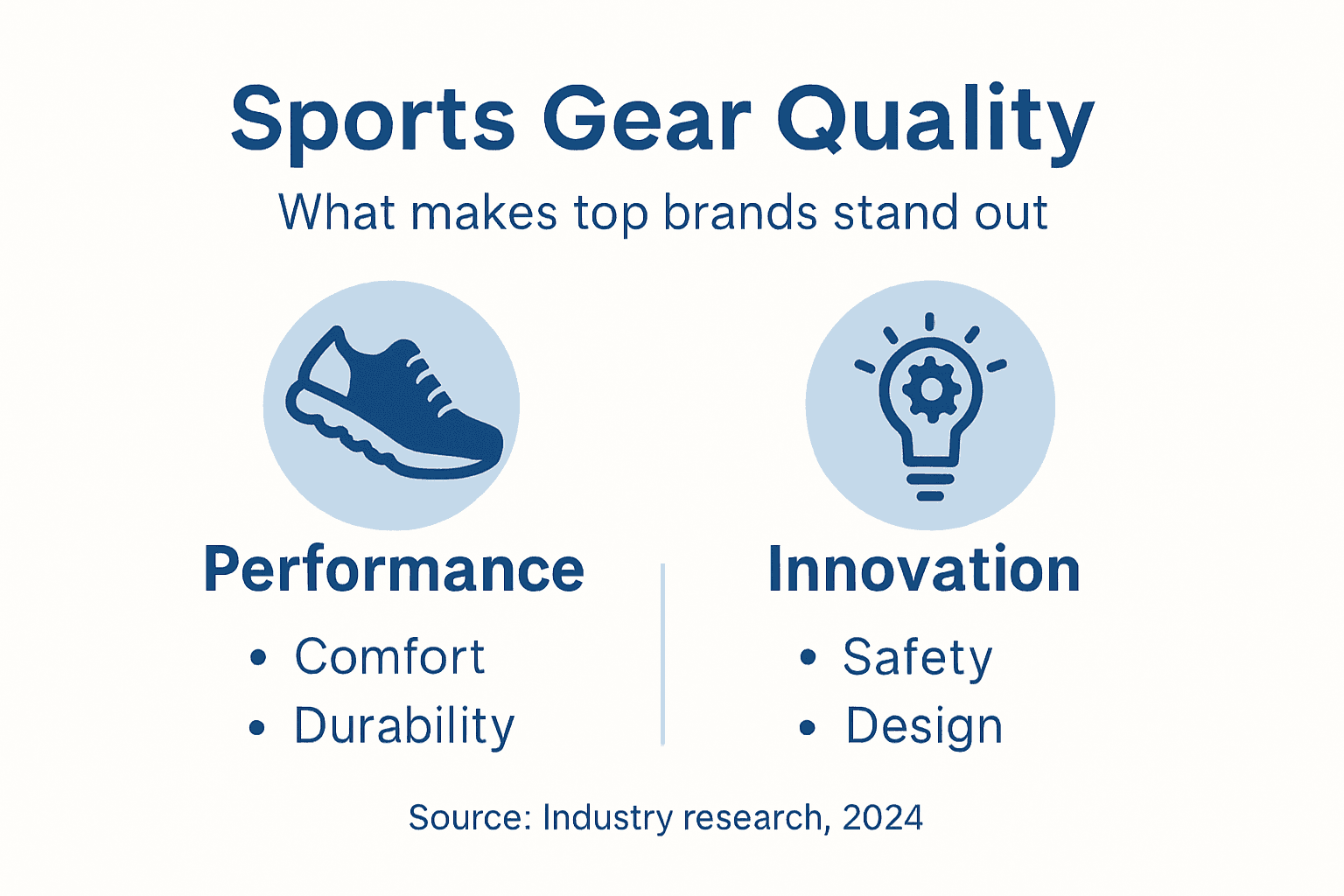
Pro tip: When evaluating sports gear quality, focus on functional performance metrics rather than just aesthetic appeal or brand name recognition.
Recognisable sports brands and their distinctions
In the competitive landscape of sports gear, brand recognition plays a pivotal role in consumer choice. UK sportswear brand rankings reveal a fascinating hierarchy of market prominence, with global giants like Nike and Adidas dominating consumer awareness.
The UK sports brand ecosystem comprises several distinctive categories:
- Global Powerhouses: Nike, Adidas, Puma
- Heritage British Brands: Umbro, Slazenger, Speedo
- Innovative Newcomers: GymShark, Under Armour
- Specialist Performance Brands: Canterbury, Berghaus
Each brand differentiates itself through unique positioning and product specialisation. British-origin brands like Umbro have historically focused on football equipment, while newer entrants like GymShark have disrupted the market with targeted fitness apparel and strong digital marketing strategies.
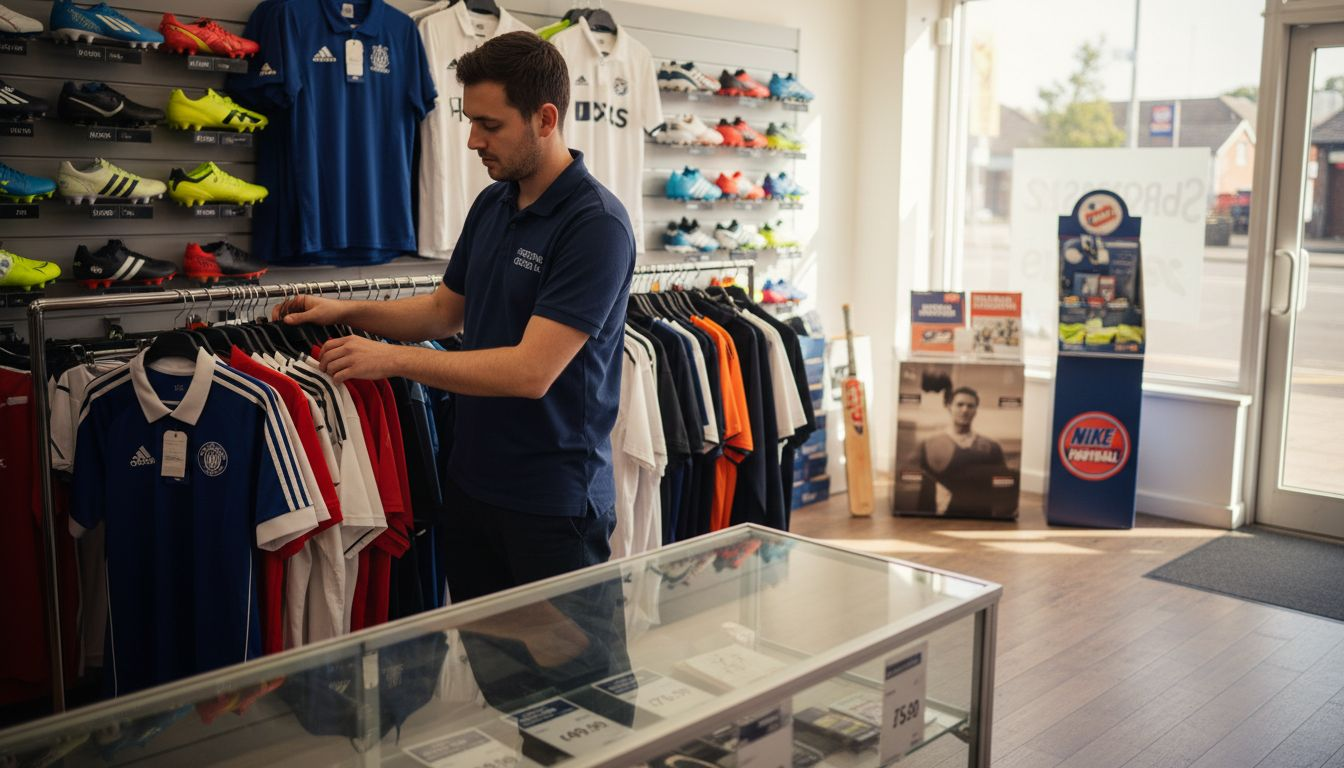
Here is a comparison of UK sports brands by category and their market positioning:
| Brand Category | Example Brands | Typical Specialisation | Market Positioning |
|---|---|---|---|
| Global Powerhouses | Nike, Adidas, Puma | Multi-sport, innovation | Wide reach, premium |
| Heritage British Brands | Umbro, Slazenger | Football, swimming | Tradition, reliability |
| Innovative Newcomers | GymShark, Under Armour | Fitness, digital marketing | Disruptive, trendy |
| Specialist Performance Brands | Canterbury, Berghaus | Rugby, outdoor gear | Niche premium, expert |
Brands distinguish themselves through several key attributes:
- Technological Innovation
- Design Aesthetic
- Performance Credentials
- Marketing Approach
- Price Point Positioning
Pro tip: Research a brand’s specific performance technologies and specialisations before making a purchasing decision, rather than relying solely on marketing narratives.
Key attributes of high-quality sports equipment
High-quality sports equipment transcends mere aesthetic appeal, embodying a complex interplay of critical performance characteristics. Sports equipment quality assessment reveals four fundamental pillars that define true excellence in sporting gear.
The core attributes of superior sports equipment include:
- Performance: Ability to enhance athletic capabilities
- Safety: Minimising risk of injury and equipment failure
- Durability: Longevity and resistance to wear and tear
- Ergonomics: Comfortable and natural interaction with the user
These attributes are not standalone elements but interconnected components that collectively determine equipment quality. Technical specifications like material composition, manufacturing precision, and compliance with industry standards play crucial roles in defining these characteristics.
The table below summarises how key equipment quality attributes affect athlete outcomes:
| Attribute | Positive Impact on Athlete | Potential Risks if Neglected |
|---|---|---|
| Performance | Enhanced technique, endurance | Reduced capability, frustration |
| Safety | Fewer injuries, confidence | Higher injury rates, anxiety |
| Durability | Fewer replacements, stability | Frequent breakdowns, extra costs |
| Ergonomics | Comfortable use, better focus | Discomfort, distraction, fatigue |
Advanced sports equipment evaluation involves detailed analysis across multiple dimensions:
- Material Quality
- Structural Integrity
- Performance Metrics
- User Experience
- Long-term Reliability
Pro tip: Invest time in understanding the specific technical specifications of sports equipment rather than relying solely on brand reputation or marketing claims.
How quality affects performance and trust
Sports technology and innovation reveal a profound connection between equipment quality and athletic performance. High-quality gear goes beyond mere functionality, serving as a critical interface between an athlete’s capabilities and their ultimate potential.
The multifaceted impact of quality on performance encompasses several key dimensions:
- Confidence Enhancement: Superior equipment reduces performance anxiety
- Technical Precision: Advanced materials improve biomechanical efficiency
- Injury Prevention: Robust design minimises physical stress and potential risks
- Psychological Advantage: High-quality gear boosts mental resilience
Consistent product quality directly influences consumer trust and brand loyalty. Athletes and sports enthusiasts develop deep connections with brands that demonstrate unwavering commitment to performance, safety, and technological advancement.
Trust is built through measurable quality indicators:
- Consistent Product Performance
- Innovative Design Features
- Transparent Manufacturing Processes
- Responsive Customer Support
- Long-term Reliability
Pro tip: Always test sports equipment thoroughly before significant competitions, understanding how specific gear interacts with your individual performance characteristics.
Risks of poor gear: Safety, costs and reliability
Sports gear safety risks extend far beyond simple equipment malfunction, representing a complex landscape of potential physical and financial dangers. Substandard sports equipment can compromise athlete performance, introduce significant injury risks, and create substantial long-term financial burdens.
The primary risks associated with low-quality sports gear include:
- Physical Injury: Inadequate protection and structural weakness
- Performance Limitation: Reduced athletic capability and efficiency
- Increased Replacement Costs: Frequent equipment breakdowns
- Potential Long-term Health Implications: Chronic injuries from poor support
Beyond immediate physical risks, poor-quality gear generates substantial economic consequences. Athletes and sports enthusiasts face recurring expenses from repeated equipment replacements, medical treatments for potential injuries, and diminished performance potential.
Key financial and safety risk indicators involve:
- Compromised Material Integrity
- Insufficient Protective Mechanisms
- Inconsistent Manufacturing Standards
- Limited Durability
- Potential Legal Liability
Pro tip: Regularly inspect your sports equipment for signs of wear, and prioritise quality over cost when selecting gear that directly impacts your safety and performance.
Discover Trusted Quality Sports Gear That Matches Your Performance Goals
Choosing the right sports equipment can feel overwhelming with so many brands and claims around technological innovation and durability. This article highlights the importance of evaluating gear beyond just brand names by focusing on functional performance, ergonomics, and long-term reliability. At MoreSports, we understand these challenges and offer a wide range of trusted brands like FootJoy and Berghaus that meet rigorous quality standards to help you perform confidently and stay safe.
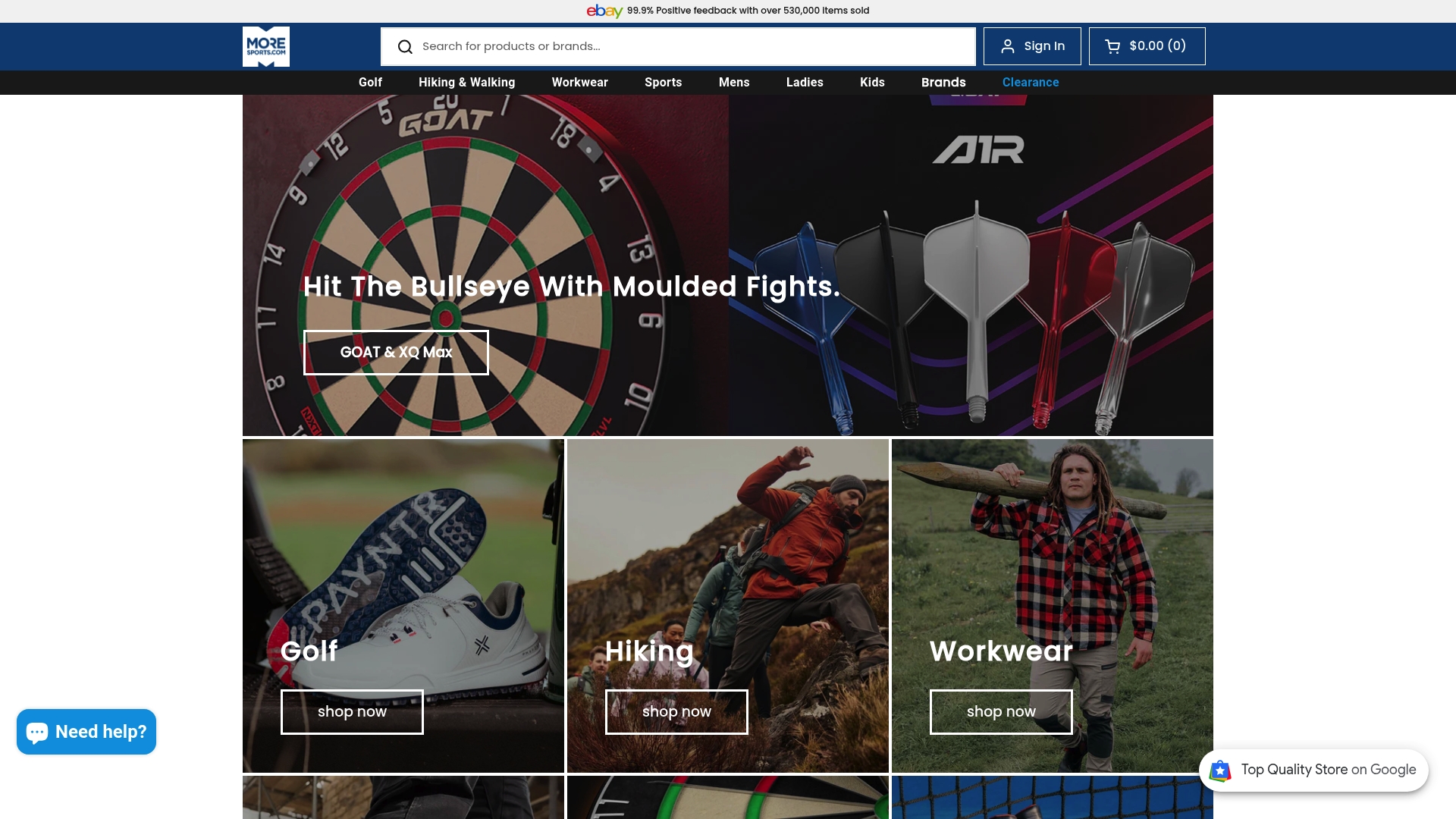
Explore our carefully curated collection that blends cutting-edge technology with comfort and durability so you never have to compromise. Visit MoreSports online today to browse exceptional sports, outdoor, and workwear equipment designed to enhance your athletic performance. Don’t wait to upgrade your gear – shop now and experience the difference quality makes.
Frequently Asked Questions
What are the key dimensions of brand quality in sports gear?
Brand quality in sports gear is assessed through three critical dimensions: functional performance, perceptual experience, and individual perception. These dimensions together help to evaluate how well the gear meets specific requirements, how it feels to use, and subjective personal expectations.
How does quality impact athletic performance?
High-quality sports gear enhances performance by boosting confidence, improving technical precision, preventing injuries, and providing a psychological advantage. Trusted equipment allows athletes to focus on their sport without the distraction of equipment-related issues.
What are the core attributes of high-quality sports equipment?
The core attributes of superior sports equipment include performance, safety, durability, and ergonomics. These factors collectively determine the quality and reliability of the equipment, influencing athlete outcomes.
Why is it important to invest in high-quality sports gear?
Investing in high-quality sports gear is crucial because it minimizes safety risks, enhances performance, and ensures longevity. Poor-quality gear can lead to injuries, performance limitations, and higher long-term costs due to frequent replacements.
Recommended
- What Is Seasonal Sports Gear and Why It Matters – More Sports
- Golf Equipment Buying Guide: Choose the Best Kit for You – More Sports
- Workwear Insulation – Enhancing Safety on Site – More Sports
- Impact of Climate on Workwear Choices in the UK – More Sports
- Branding in Cricket Bats – How It Influences Performance – Cricket Bats Com