 No Duties or Customs Fees For EU & UK Customers
 Express Tracked UK Delivery On 1000s of Items
 90 Day Returns


The best hiking clothing for women is a system of layers that work together: a wicking base layer, a warm fleece, a waterproof jacket, quick-drying trousers, supportive boots, good socks and a few small accessories. Choose merino or synthetic fabrics over cotton, and put fit ahead of fashion. A waterproof jacket suits every walker. A fleece suits day walkers from spring to autumn. Merino base layers, technical socks and a hat and gloves earn their place on multi-day trips and winter hills.
Most women buy hiking clothes one piece at a time and then wonder why they end up cold, damp or blistered. The pieces were never chosen to work together. A cotton T-shirt under a good jacket still leaves you wet from the inside, and a great boot in the wrong sock still rubs. This guide goes through seven pieces in the order you put them on. For each one you get what to look for and who it suits.
At MoreSports we sell ladies' hiking jackets, fleeces, trousers and boots from brands such as Craghoppers and CMP, so we point to those ranges where they fit. The advice applies to any brand. It is written for walkers in the UK and Ireland, where the weather can change within an hour.
1. A wicking base layer
The base layer is the thinnest thing you wear, and it does the most for comfort, because it moves sweat off your skin before it can chill you. Good hiking clothing for women works as three layers with one job each, and the base layer is the first. The table shows where each item in this list sits.
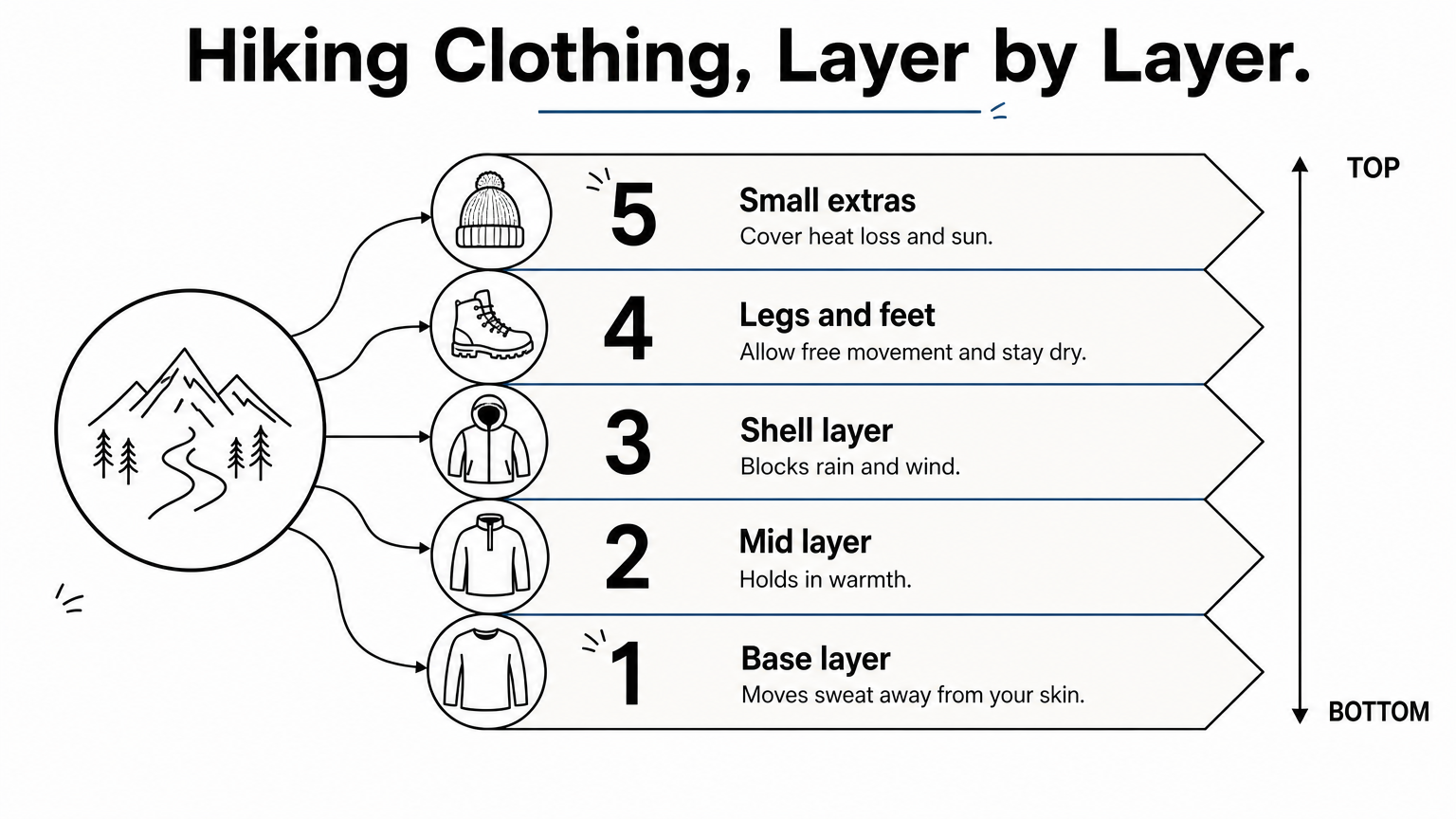
| Layer | Job | Item in this list |
|---|---|---|
| Base | Moves sweat away from your skin | 1 |
| Mid | Holds in warmth | 2 |
| Shell | Blocks rain and wind | 3 |
| Legs and feet | Allow free movement, stay dry | 4, 5, 6 |
| Extras | Cover heat loss and sun | 7 |
What to look for
Choose merino wool or a synthetic such as polyester in a lightweight knit. Cotton is the one fabric to avoid. It soaks up sweat, stays wet and pulls heat from you the moment you stop for lunch.
If a fabric holds water, it does not belong next to your skin on a hill.
- A close fit that touches your skin without squeezing it.
- Flat seams, so pack straps and bra straps do not rub.
- Long sleeves for cool mornings and sun cover, short sleeves for hot days.
- A zip neck if you run warm, because you can vent without removing a layer.
Who it suits
Merino suits multi-day trips and cold weather. It stays comfortable over several days and is less likely to smell, though it needs a cool wash and no tumble dryer.
Synthetic suits day walkers and anyone watching their budget. It dries faster than merino and usually costs less. A running top you already own is a fair stand-in, as long as it is not cotton.
2. A lightweight fleece mid layer
A fleece traps warm air close to your body, and it is the layer you will put on and take off most often. For three-season walking, a lightweight microfleece is the right weight, because it adds warmth without bulk and leaves room for a shell on top when the weather turns.
What to look for
Look for a fleece that fits over your base layer without pulling and still fits under your jacket. A half-zip is light and simple. A full zip vents faster when you warm up on a climb.
A fleece is only useful if it packs small enough that you never leave it behind.
Check that the hem covers your hips and the fabric packs down into the top of your rucksack. Our Craghoppers Ladies Fleece Tops are lightweight microfleece made with recycled materials and are easy to care for, which suits a layer that gets washed often.
Who it suits
A fleece suits day walkers from spring to autumn, and anyone who feels the cold when she stops moving. In summer you may carry it only for summit stops.
For deep winter, a fleece alone is not enough. You will want an insulated jacket as well, which is covered in the next item.
3. A waterproof, breathable jacket
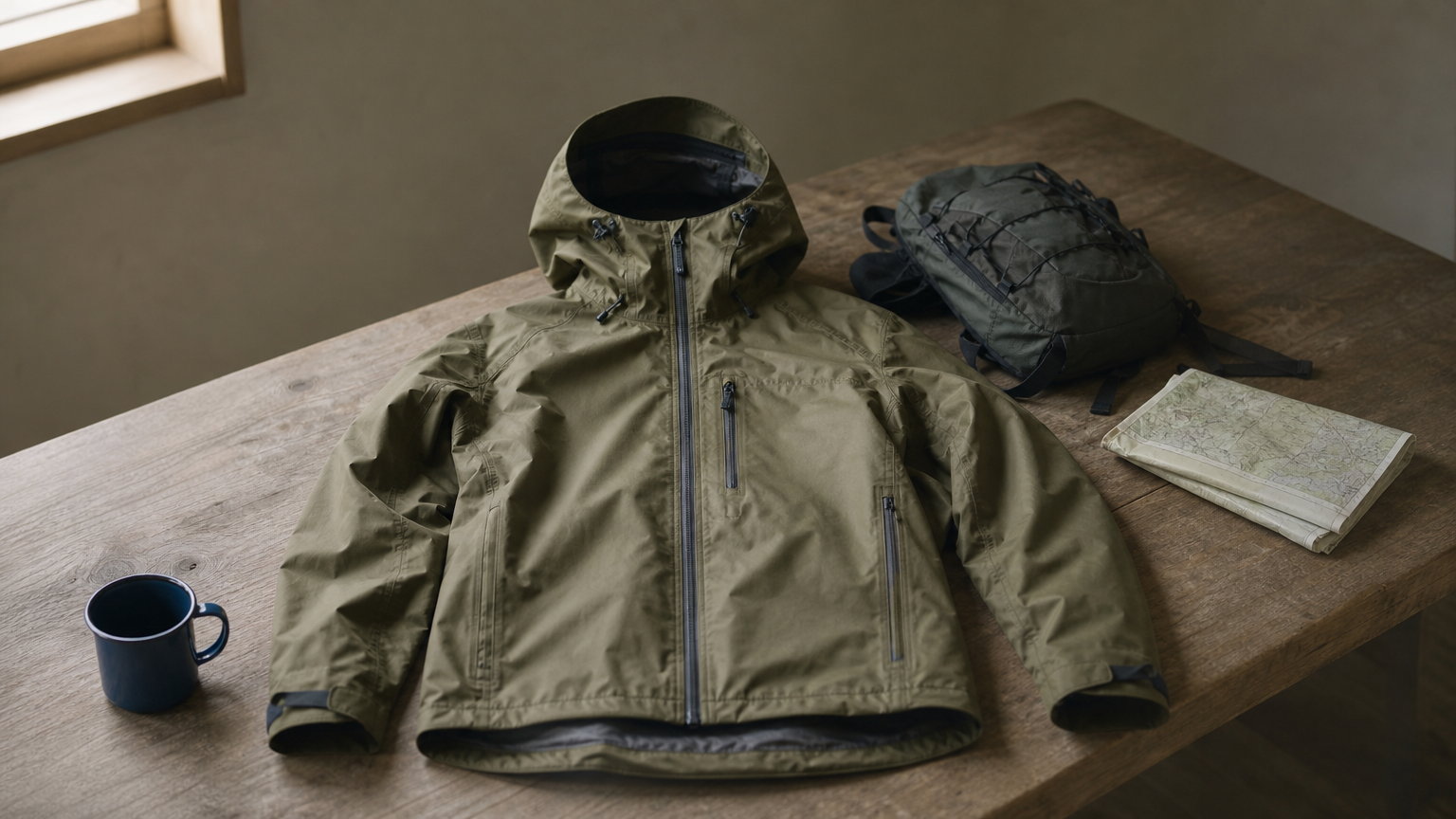
If you buy one piece of technical hiking clothing for women, make it the jacket. A good shell keeps out rain and wind, and it must also let your sweat escape, or you will get as wet from the inside as you would from the rain.
What to look for
Choose a jacket that is both waterproof and breathable. Fabric waterproofing is measured in millimetres of water column, and around 10,000mm is a sensible floor for UK hillwalking. Sustained rain on exposed ground is a different test from a shower on a park path.
A jacket that keeps rain out but traps sweat in has only done half its job.
- Taped seams, because stitching holes leak.
- An adjustable hood that fits over a hat and moves with your head.
- Underarm zips or large pockets you can open to vent.
- A hem that covers your hips, and pockets placed above your rucksack belt.
Who it suits
Every walker needs one, but the type changes with the season. Our Craghoppers Ladies Jackets come waterproof, breathable and wind-resistant. Some are packable for summer, and some use insulating Thermo Pro technology for colder days.
The CMP Ladieswear range adds Clima Protect breathable membranes, adjustable hoods and lightweight ripstop fabrics. If you are building a kit for the Duke of Edinburgh's Award, our DofE ladies hiking collection groups waterproof jackets, lightweight boots and leggings in one place.
4. Quick-drying hiking trousers
Hiking trousers should stretch, dry fast and shed light rain. They do three things that jeans and cotton chinos cannot: they move with your stride, they dry in an hour or two, and they do not turn heavy and cold when wet.
What to look for
A stretch fabric with a water-repellent finish covers most walks. Zip pockets keep your phone and map safe. Articulated knees help on steep ground.
Fabric tech matters in the details. Our Craghoppers Ladies Trousers include lightweight NosiLife with built-in insect repellency, SolarShield for sun protection, SmartDry Eco and waterproof GORE-TEX versions for wet weather.
The right trousers are the ones you forget you are wearing by mile three.
Who it suits
The right type depends on your route and the season.
| Type | Best for | Watch out for |
|---|---|---|
| Stretch walking trousers | Most day walks, three seasons | Not fully waterproof |
| Zip-off convertibles | Changeable mountain days | Zips can rub if poorly placed |
| Hiking leggings | Cool days, spring and autumn | Rarely have pockets |
| Waterproof overtrousers | Heavy rain, winter | Carry them, do not wear them all day |
5. Waterproof hiking boots or shoes
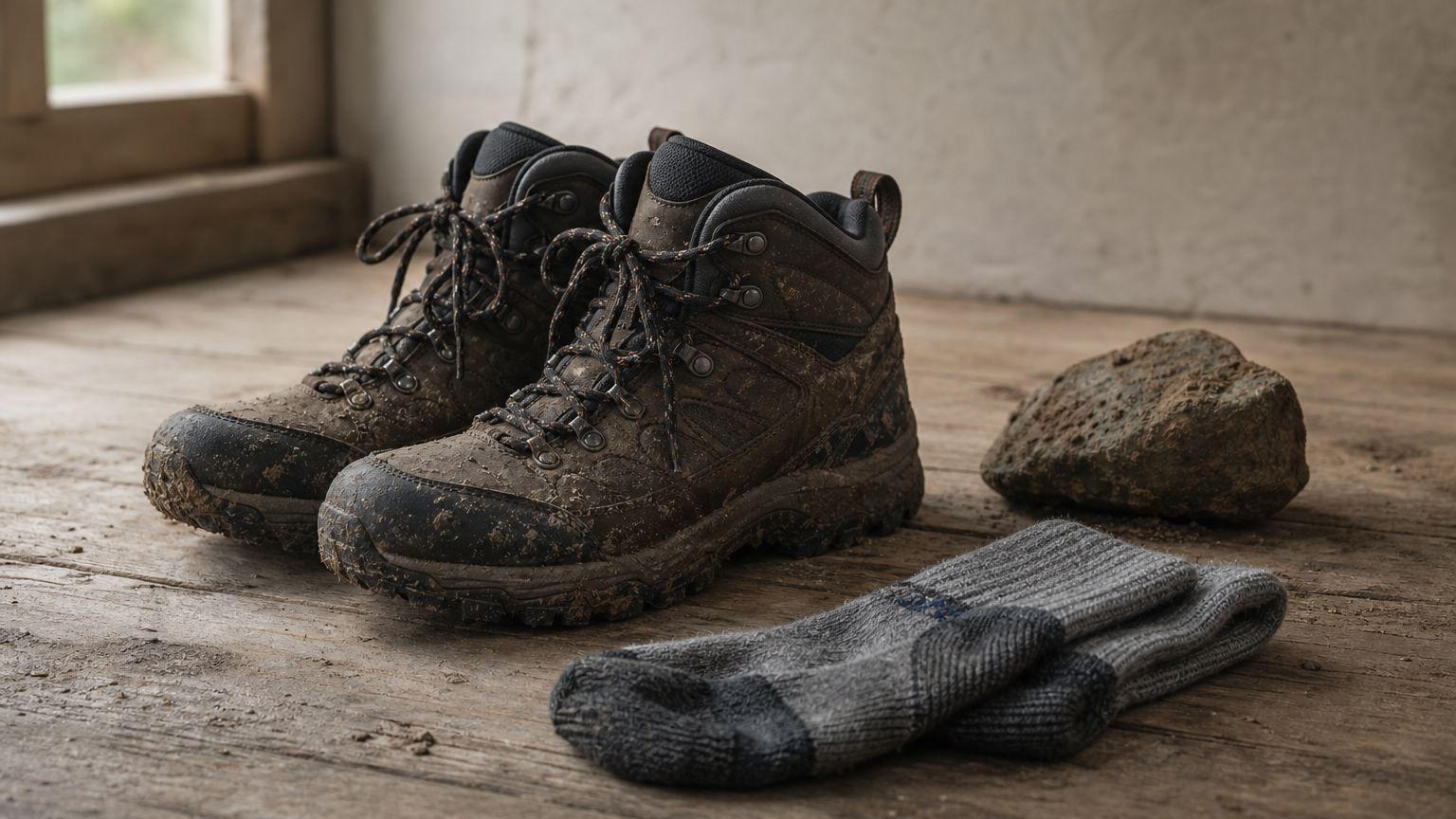
Footwear decides whether you enjoy the day. Boots with ankle support suit rough, wet or multi-day routes, while lightweight shoes suit warm weather and well-made paths. Whichever you pick, fit matters more than brand.
What to look for
Look for a waterproof, breathable membrane, a grippy tread and a sole stiff enough to protect your feet on stones. Try boots on late in the day, when your feet have swelled slightly, and wear the socks you will walk in. You should have roughly a thumb's width of space beyond your longest toe, and your heel should stay put when you walk uphill.
Never judge a boot by how it looks. Judge it by how still your heel stays on a slope.
Who it suits
Boots suit uneven ground, mud, scree and heavy packs. Shoes suit summer day walks and easy trails. Our Ladies Hiking & Walking Boots collection covers waterproof, breathable and lightweight options. The CMP range includes both waterproof walking boots and shoes.
Fit is the main risk when buying online. Wear new boots indoors first and keep them clean. We accept returns within 90 days of delivery for a full refund if the item is new with tags attached. Break boots in on a few short local walks before any long day.
6. Technical hiking socks
Good socks are the cheapest way to prevent blisters. Their job is to cushion your foot, wick moisture and stop your skin sliding against the boot. A great boot in the wrong sock still rubs.
What to look for
Pick a merino or synthetic blend, never cotton. Cushioning at the heel and ball of the foot helps on long days. A seamless toe cuts rubbing, and the cuff should sit above the boot collar.
Most hiking blisters start as friction, so choose socks to reduce it before it starts.
Buy socks in the weight you will wear with your boots, and try them on with the boots. A sock that is too thick can make a well-fitting boot feel tight.
Who it suits
Everyone benefits, but the blister-prone and the multi-day walker gain the most. If you get hot spots, a thin liner sock under a cushioned outer sock can reduce friction.
Carry a spare pair on any walk longer than a few hours. Swapping into dry socks at lunch makes the afternoon far more comfortable, and wet ones can dry on the outside of your pack.
7. Hat, gloves and neck gaiter
Small accessories cover the places you lose heat or catch the sun. They weigh almost nothing, so carrying them costs you nothing, and they let you adjust to the weather without changing your main layers.
What to look for
A lightweight, quick-drying cap or brimmed hat shields your face from summer sun. A thin beanie and light gloves cover cold starts and high ground. A stretchy tubular neck gaiter doubles as a scarf, headband or hat.
Heat escapes fastest from your head, neck and hands, so cover those first when you are cold.
Choose fabrics that dry quickly and stuff into a pocket. Gloves with touchscreen fingertips save you removing them to check a map or phone.
Who it suits
Walkers in every season, but the mix changes. Here is what to add as the weather shifts.
| Season | Accessories to carry |
|---|---|
| Spring and autumn | Beanie, light gloves, neck gaiter |
| Summer | Sun hat or cap, sunglasses |
| Winter | Warm hat, insulated gloves, neck gaiter |
For a typical autumn day walk in Britain, that adds up to a long-sleeved base layer, microfleece, waterproof jacket, stretch trousers, cushioned socks, boots, a beanie and light gloves. It is a full kit that fits in a day pack and handles a drop of ten degrees or a shower.
Putting your hiking kit together
Dress in layers, avoid cotton, and spend the most on the pieces that touch your feet and keep out the rain: your jacket, your boots and your socks. Add a base layer and fleece for warmth control, trousers that move with you, and a few accessories that match the season. That is the whole system, and it works from a local ridge to a multi-day trail.
If you are ready to build your kit, browse our ladies' hiking ranges at MoreSports. Free UK delivery applies on orders over £25, and the 90-day returns window gives you time to check the fit.
0 comments